



Top-rated energy efficiency auditors.

Get matched with top energy efficiency auditors in Steens, MS

Enter your zip and get matched with up to 5 pros

Need a pro for your energy efficiency auditing project in Steens, MS?

Select your specific project to find the pro for you.

Find Energy efficiency auditors in Steens

Avatar for ADT Solar
ADT Solar
4.4(
111
)
Energy Audit - For BusinessHome Energy Audit

Serving Steens, MS and surrounding areas

In business since 2008

Free estimates

Warranties offered

"Rep. checked entire system. He found several wires not connected properly and fixed this. He also made recommendations regarding the attachment of the panels to the rood that would provide more stability and leakproofing. The representative appeared to know what he was doing - much better than others, including the representative who was engaged by the roofer (who replaced our rood due to hail damage) to disconnect/connect the panels."
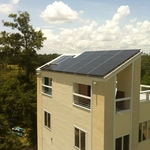
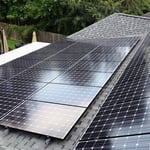
11 kW PV Installation
5 kW PV Installation
9.5 kW PV Installation
Recommended by89%of homeowners

Energy Efficiency Auditing questions, answered by experts

The difference between an energy auditor and a home inspector is primarily in the purpose of the inspection. The energy auditor conducts tests in your home to determine the energy efficiency levels in areas like windows, insulation, and doorways. The auditor then makes recommendations for ways to improve a home’s energy efficiency. 

A home inspector examines various structures of your home to determine that everything is up to code and gauge the condition of features like the roof, foundation, HVAC, and electrical. The home inspector reports on the overall home and makes repair recommendations.

Some types of electric fireplaces use more electricity than others. Models that produce 1,500 watts will have more of an effect on your heating bill than 750-watt models. 

Electric fireplaces use an average of $1.85 of electricity every eight hours. These minimal operational costs aren’t likely to make a big difference in your electric bill—unless you’re using it as a primary heating source for your home and it’s running most of the time.

A whole-house humidifier can positively impact energy consumption by improving heating efficiency. During colder months, humidified air feels warmer, which allows you to lower your thermostat without sacrificing comfort. This adjustment can lead to significant energy savings as your heating system works more efficiently. However, it's important to use the humidifier judiciously, as excessive humidity could potentially strain your cooling system in warmer months.

Dehumidifiers typically use 300 to 700 watts of electricity per hour, whereas portable dehumidifiers use about 40 watts per hour. The exact amount of electricity your dehumidifier will generate depends on its capacity and energy efficiency. Generally, higher-capacity dehumidifiers generate more electricity than lower-capacity units, but they also usually have better energy efficiency over the long run.

Dryers are designed to use as little electricity as possible, but power is still required to run the motor that turns the drum and to heat an element that pumps hot air. Eco devices are available and may lead to cost savings in the long term, but you should run the figures before committing to an eco-friendly device as they are often much more expensive to purchase.

The Steens, MS homeowners’ guide to energy efficiency auditing services

From average costs to expert advice, get all the answers you need to get your job done.