







Top-rated energy efficiency auditors.

Get matched with top energy efficiency auditors in Nettleton, MS

Enter your zip and get matched with up to 5 pros

Need a pro for your energy efficiency auditing project in Nettleton, MS?

Select your specific project to find the pro for you.

Find Energy efficiency auditors in Nettleton

Avatar for ADT Solar
ADT Solar
4.4(
111
)
Energy Audit - For BusinessHome Energy Audit

Serving Nettleton, MS and surrounding areas

In business since 2008

Free estimates

Warranties offered

"Rep. checked entire system. He found several wires not connected properly and fixed this. He also made recommendations regarding the attachment of the panels to the rood that would provide more stability and leakproofing. The representative appeared to know what he was doing - much better than others, including the representative who was engaged by the roofer (who replaced our rood due to hail damage) to disconnect/connect the panels."
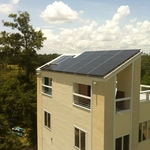
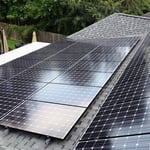
11 kW PV Installation
5 kW PV Installation
9.5 kW PV Installation
Recommended by89%of homeowners

Energy Efficiency Auditing questions, answered by experts

DIY is possible with basic tools. Professional audits provide comprehensive assessments and tailored recommendations.

Electric bills tend to be lower in spring and fall because people use less electricity during these seasons. Milder temperatures allow for less use of heating and cooling, unlike during winter and summer, which usually bring more extreme temperatures.

Typically, triple-pane windows made with krypton gas filling are the most energy efficient. A window’s frame, glass, design, and installation all affect its energy efficiency. These windows, in particular, are designed highly effectively in terms of their ability to insulate.

Motion-sensor lights use one watt while on standby and five watts while turned on. They’re usually on for one hour over a 24-hour period, bringing the total wattage to about 28 watts per day. LED lights use around 6.5 to 8 watts while on. If you leave an LED light on all night, with night ranging from 10 to 14 hours, you’re looking at using 65 to 112 watts a night. You can minimally cut your wattage in half by switching to a motion-sensor light.

Dehumidifiers typically use 300 to 700 watts of electricity per hour, whereas portable dehumidifiers use about 40 watts per hour. The exact amount of electricity your dehumidifier will generate depends on its capacity and energy efficiency. Generally, higher-capacity dehumidifiers generate more electricity than lower-capacity units, but they also usually have better energy efficiency over the long run.

The Nettleton, MS homeowners’ guide to energy efficiency auditing services

From average costs to expert advice, get all the answers you need to get your job done.