



Top-rated energy efficiency auditors.

Best energy efficiency auditors near Hatley, MS

Enter your zip and get matched with up to 5 pros

Need a pro for your energy efficiency auditing project in Hatley, MS?

Select your specific project to find the pro for you.

Top-Rated Energy efficiency auditors in Hatley - Updated Nov 2026

Avatar for ADT Solar
ADT Solar
4.4(
111
)
Energy Audit - For BusinessHome Energy Audit

Serving Hatley, MS and surrounding areas

In business since 2008

Free estimates

Warranties offered

"I was considering 3 companies to do the work. They provided the best deal. The installation went very smoothly; finished in a day. Very happy with the process to that point. Had some problems with some logistics afterward. The papers weren't processed properly to iniitally run the solar panels (it took 2 months till we figured out the electric company hadn't 'turned on' the panels). There was also some problems with the paperwork for the tax rebates that slowed things down. I talked to the owner Mark, who was very sorry for the problems and offered a small refund, even though we don't really know what happened. He wanted to be sure I was a happy customer, which I am. I was impressed by his professionalism. However, I'm still not seeing the savings that I was told. I've had my house energy audited, installed Nest thermostats, and still not seeing a major decrease in my KWh usage. I can only assume that we are having a hotter season than last year; hoping to realize savings next year.
"
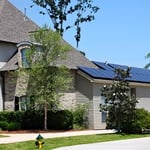
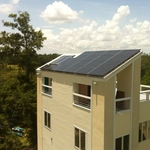
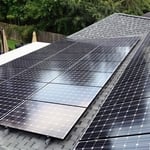
11 kW PV Installation
5 kW PV Installation
9.5 kW PV Installation
Recommended by89%of homeowners

Avatar for R&J Solar LLC
R&J Solar LLC
5.0(
2
)
Energy Audit - For BusinessHome Energy Audit

Serving Hatley, MS and surrounding areas

In business since 2022

Free estimates

Credit card accepted

We provide residential and commercial solar power options, and provide support services for industry partner companies. We offer no cost consultations and $0 down financing. Please contact our office for a consultation at (931)922-8258.

Additional Photos
Additional Photos
Additional Photos
Additional Photos
Additional Photos

+3

Recommended by100%of homeowners
Energy Efficiency Auditing FAQs, answered by experts

To determine the right size generator for your house, you should calculate the total wattage of the appliances and devices you want to power during an outage. List all essential items, note their start-up wattages, and add them together.

Here are some typical wattage requirements for common appliances:

  • Refrigerator: 600 watts

  • Large dehumidifier: 700 watts

  • Large window air conditioner: 1,400 watts

  • Water heater: 3,000 to 4,500 watts

  • Electric furnace: 5,000 to 25,000 watts

A 7,500-watt generator might be sufficient for essentials like a refrigerator, freezer, well pump, and lighting circuits. However, for high-demand items like a water heater or furnace, a whole-home generator is a better choice. A portable generator may be enough if you only need to power a few critical items.

While home square footage can offer a rough estimate, it is not always a reliable indicator. For reference, here are some typical generator sizes based on square footage:

  • 1,000 sq ft: 6–9 kW

  • 1,500 sq ft: 7–10 kW

  • 2,000 sq ft: 10–14 kW

  • 2,500 sq ft: 12–16 kW

  • 3,000 sq ft: 16–20 kW+

For the most accurate sizing, consult a professional who can calculate your home's peak and average power consumption and recommend the optimal generator.

Audits include inspecting insulation, HVAC systems, windows, and appliances to identify energy inefficiencies.

Yes, energy-efficient windows really can make a difference. As long as energy-efficient windows are properly installed and maintained, they can reduce your energy bill and offer significant savings.

Dehumidifiers typically use 300 to 700 watts of electricity per hour, whereas portable dehumidifiers use about 40 watts per hour. The exact amount of electricity your dehumidifier will generate depends on its capacity and energy efficiency. Generally, higher-capacity dehumidifiers generate more electricity than lower-capacity units, but they also usually have better energy efficiency over the long run.

If you have central air conditioning, it’s fine to run your AC all day if that’s what you want—as long as the AC unit is in good condition. But if your AC runs constantly when you don’t want it to, there may be a problem with your system (like the ones we’ve mentioned above). Window AC units and wall air conditioners aren’t as powerful as central AC, so you should only run those kinds of air conditioners for eight to 12 hours at a time.

The Hatley, MS homeowners’ guide to energy efficiency auditing services

From average costs to expert advice, get all the answers you need to get your job done.