




Top-rated insulation pros.

Get matched with top insulation pros in Rolling Fork, MS

Enter your zip and get matched with up to 5 pros

Need a pro for your insulation service project in Rolling Fork, MS?

Select your specific project to find the pro for you.

Find Insulation pros in Rolling Fork

Burson Insulation Services
4.6(
27
)

Serving Rolling Fork, MS and surrounding areas

Approved

In business since 2022

Free estimates

Small jobs welcome

"I canâ t say enough good things about Koala Insulation. John came out quickly, got my estimate fast, made sure he was getting the right materials for the job, and stayed in contact with me every step of the way. We had a few snags and John and his crew helped us despite not needing to (electrical and plumbing issues). I would absolutely hire this company again if I need more insulation work in the future. Itâ s hard to find good, honest, dependable businesses and people these days. John and his crew with Koala insulation are exactly those kind of people."
Response time1 day
Response rate94%
14 neighbors recently requested a quote
Avatar for Queen City Insulation Co Inc
Queen City Insulation Co Inc
5.0(
4
)

Serving Rolling Fork, MS and surrounding areas

"Greg  came out and they would do during the installation such as puttint up dry wall so they have something to attach the door opener to.  They used the dry wall that I had which was the way I wanted it.
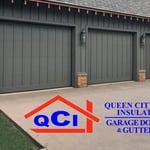
When Jim came out to install the garage door he called me when he was leaving Meridian and told me approximately when he would arrive.  He was very punctual as was Greg.  Jim installed the door just as was discussed.  It took him most of the day as this was an odd size door.  Jim was very plesant and knowledgable about the products and told me what he was doing and why he was doing things the way he was doing them.  I have a tendency to ask a lot of questions about what is going on and he answered every question I had.
When he was finished he explained the operation of the door and how to program the outside key lock as well,  He told me if I had a questions in the future do not hesitate to call.  Jim was very thorough about making sure he picked up any mess he has made. 
I would not hesitate to use them again in the future.  In fact I am going to talk to them about the insullation in my home late on.

"
Additional Photos
Additional Photos
Additional Photos
Additional Photos
Additional Photos

+3

Recommended by100%of homeowners
Showing 1-10 of 24
Insulation questions, answered by experts

Pipes in your house can freeze after six hours or so if you lose power and temperatures are below freezing. You can prepare for potential power outages by winterizing your pipes with insulation. Also, whenever temperatures drop below 20 degrees Fahrenheit, turn your faucets on very low and leave them dripping until temperatures rise.

Three signs that you need crawl space insulation are drafts, high energy bills, and mold. Drafts can start in crawl spaces and cause hot or cold air to spread to the rest of your home through holes in the floors and walls. And even if your entire home is well-insulated, you can still feel an unchecked draft from your crawl space and in your utility bill. Uninsulated crawl spaces can let in air and moisture, and because they’re built directly on the ground and difficult to dry out, they are hotspots for mold and mildew.

The thickness of floor insulation will depend on the R-value you plan to achieve. R-value varies on the type of material as well as its thickness and density. Insulation materials with low R-values can be layered to match the value of denser materials. As long as your floor insulation is packed tightly, seals the area from drafts, and doesn’t prevent ventilation, it can be as thick (or thin) as you need.

Your home's location, budget, and the type of insulation you’re using are just a few of the factors that can help you choose the right insulation. For example, blown-in insulation is typically used in attic spaces, while batts and rolls are ideal for floors and walls. Blown-in insulation is usually a good option if you're adding more insulation to an area that already has some, but not enough.

The amount and type of insulation your home needs depends on your location, climate, and the specific installation area (attic, walls, or floors). Your local building code will typically determine the minimum required R-value. For specific recommendations, Energy Star suggests the following R-values: homes in the Southern U.S. should have R30 to R60 in attics and R13 to R25 in floors and walls; homes in moderate climates need R38 to R60 in attics and R25 to R30 in floors and walls; and homes in northern states require R49 to R60 in attics and R25 to R30 in floors and walls.

The Rolling Fork, MS homeowners’ guide to insulation services

From average costs to expert advice, get all the answers you need to get your job done.