







Top-rated electricians.

Get matched with top electricians in Rawls Springs, MS

Enter your zip and get matched with up to 5 pros

Need a pro for your electrical service project in Rawls Springs, MS?

Select your specific project to find the pro for you.

TRUSTED BY RAWLS SPRINGS, MS HOMEOWNERS

  • Average homeowner rating star icon4.8
    Average homeowner rating
  • Verified reviews icon220
    Verified electrical services reviews

Find Electricians in Rawls Springs

WJ Services, LLC
4.6(
21
)
Electrical Wiring or Panel UpgradeElectrical Wiring or Panel Upgrade - For BusinessElectrical for Addition or Remodel - Install - For Business+4 more

Serving Rawls Springs, MS and surrounding areas

Approved

In business since 2016

Free estimates

Offers commercial services

"Had a corroded aluminum service line coming into the meter. William came out the same day. He replaced from my electrical box out to the connection to the PRVEPA service connection. Replaced all the aluminum with copper. Did a super job and was amiable and prompt."
Response time1 day
Response rate85%
Recommended by100%of homeowners
Avatar for Corrigan, LLC
Corrigan, LLC
4.8(
25
)
Lightning Protection - Install or Repair

Serving Rawls Springs, MS and surrounding areas

Approved

In business since 1954

Free estimates

Emergency services offered

"Very honest, hard working family business. They do the actual work themselves. They don't contract it to strangers. The invoice was lower than the estimate. Very satisfied."
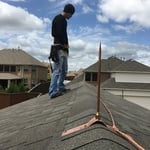
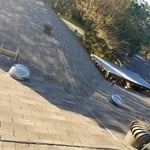
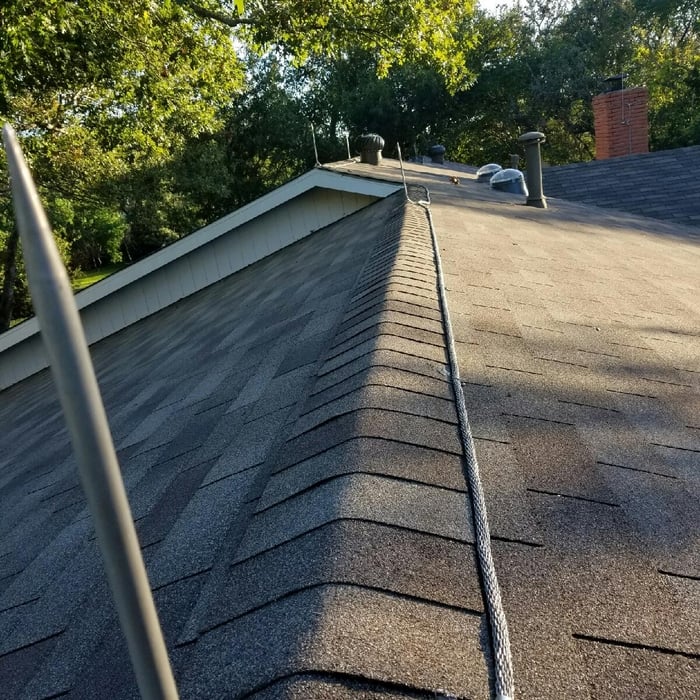
Shingle roof air terminal
Residential 1
Residential Spanish tile
Horse stable
Residential 2

+23

Response time1 day
18 neighbors recently requested a quote
Recommended by100%of homeowners
...
Showing 1-10 of 203
Electrical questions, answered by experts

An air conditioner’s watt usage depends on multiple factors, including the type of AC unit, its size, and how often you use it. With that said, most central air conditioners consume between 3,000 and 3,500 watts. Meanwhile, window AC units use 900 to 1,400 watts, and portable air conditioners consume 2,900 to 4,100 watts.


Window AC units use a fair amount of electricity, but significantly less than central AC systems. Because they are more energy-efficient for cooling individual rooms or small spaces, their usage is comparatively low. On average, a window AC unit consumes between 500 and 1,400 watts, while a central AC system uses over 3,500 watts—meaning a window unit uses about one-third of the energy. This typically translates to a monthly running cost of $15 to $40, although this can vary depending on external factors.

Moving an electrical outlet typically costs between $25 and $300. The final price depends on several factors, including the type of outlet, the condition of your existing wiring, and the state of your walls. For example, working on exposed walls without drywall is easier and less expensive for an electrician. However, if the walls are finished, the cost may increase to account for necessary repairs afterward. It's recommended to consult a professional for a precise quote based on your specific situation.

Yes, pool pumps use a significant amount of electricity, making them one of the biggest energy consumers in a home. A pool pump can use up to three times as much electricity as a refrigerator. Typically, a residential pool pump consumes about 1 kilowatt-hour (kWh) for every hour it runs. Because pumps often need to run for about eight hours a day to properly filter the water, this can add up to an annual consumption of 3,000 to 5,000 kWh, which can cost between $480 and $800 per year based on average electricity rates.

The amount of electricity your pump uses depends on its size, energy efficiency, and daily run time. To lower your energy consumption, you can choose an energy-efficient or variable-speed pump, ensure it is correctly sized for your pool, and run it only for the minimum time required to keep the water clean.

According to the National Electrical Code (NEC), GFCI outlets should be installed in wet or damp locations where they might be splashed with water or other liquids. This is to protect against ground faults, which are more common around water. Specific areas that require GFCI outlets include kitchens (especially near counters), bathrooms, laundry rooms, basements, garages, and all outdoor receptacles. Depending on local electrical codes, you may need at least one GFCI outlet in these rooms, or every outlet in the area may need to be GFCI protected.

The Rawls Springs, MS homeowners’ guide to electrical services

From average costs to expert advice, get all the answers you need to get your job done.