





Top-rated energy efficiency auditors.

Get matched with top energy efficiency auditors in Quitman, MS

Enter your zip and get matched with up to 5 pros

Need a pro for your energy efficiency auditing project in Quitman, MS?

Select your specific project to find the pro for you.

Find Energy efficiency auditors in Quitman

Avatar for ADT Solar
ADT Solar
4.4(
111
)
Energy Audit - For BusinessHome Energy Audit

Serving Quitman, MS and surrounding areas

In business since 2008

Free estimates

Warranties offered

"Rep. checked entire system. He found several wires not connected properly and fixed this. He also made recommendations regarding the attachment of the panels to the rood that would provide more stability and leakproofing. The representative appeared to know what he was doing - much better than others, including the representative who was engaged by the roofer (who replaced our rood due to hail damage) to disconnect/connect the panels."
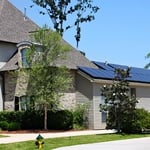
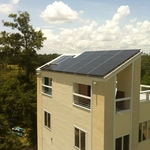
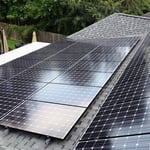
11 kW PV Installation
5 kW PV Installation
9.5 kW PV Installation
Recommended by89%of homeowners

Energy Efficiency Auditing questions, answered by experts

The answer is a resounding yes, as dishwashers save significant water and energy compared to washing dishes by hand. The difference is so drastic in fact that those who use energy-efficient dishwashers can expect savings of over $450 per year. This is because dishwashers use less water, they wash at a higher temperature than a hand rinse, and you don’t need to rinse them after washing. New dishwashers use around 4 gallons per load, whereas washing by hand can use up to 2 gallons per minute.

Yes, mini-split or ductless AC systems add value to a home and do not devalue it. They are an attractive feature for potential buyers, especially in older homes without existing ductwork, as they provide a practical air conditioning solution without the significant expense and hassle of installing traditional ducts. Ductless systems also eliminate issues associated with conventional ductwork, such as noise and the potential for pests. Furthermore, homeowners value energy-efficient solutions, and mini-splits offer high efficiency for both heating and cooling, plus zoned temperature control. This leads to lower energy consumption and reduced electric bills, which is a major selling point.

Homeowners can often access federal tax credits, such as the Investment Tax Credit (ITC), which covers a percentage of installation costs. Many states and utilities offer additional rebates, grants, or performance-based incentives. These programs can significantly lower your upfront investment. Check the Database of State Incentives for Renewables and Efficiency (DSIRE) or contact your local energy office for current offers.

A blower door test shouldn’t take more than an hour, and most can be completed in less than 30 minutes. Expect the test to take longer once you start searching for leaks with thermal imaging or want to include sealing such leaks in the time estimate. The test doesn’t take much time and can’t be rushed, but it will take longer in large homes or those with many air leaks.

A home energy audit costs about $420 on average, with prices ranging from $100 to $2,250 or more. The final cost depends on factors like your home's size, location, the thoroughness of the audit, and the specific tests performed. A basic Level 1 walk-through inspection typically costs between $150 and $200, while a comprehensive Level 3 audit with detailed testing and a report costs around $900. Homeowners may be able to use the 2022 Inflation Reduction Act’s Energy Efficient Home Improvement credit to cover up to $150 of the audit cost.

Costs for common individual tests include:

  • Blower door test: $350

  • Duct testing: $100

  • HERS test: $375

  • HERS certification: $200

  • Infrared imaging: $200

The Quitman, MS homeowners’ guide to energy efficiency auditing services

From average costs to expert advice, get all the answers you need to get your job done.