Top-rated energy efficiency auditors.

Best energy efficiency auditors near Marion, MS

Enter your zip and get matched with up to 5 pros

Need a pro for your energy efficiency auditing project in Marion, MS?

Select your specific project to find the pro for you.

Top-Rated Energy efficiency auditors in Marion - Updated Nov 2026

Avatar for ADT Solar
ADT Solar
4.4(
111
)
Energy Audit - For BusinessHome Energy Audit

Serving Marion, MS and surrounding areas

In business since 2008

Free estimates

Warranties offered

"Rep. checked entire system. He found several wires not connected properly and fixed this. He also made recommendations regarding the attachment of the panels to the rood that would provide more stability and leakproofing. The representative appeared to know what he was doing - much better than others, including the representative who was engaged by the roofer (who replaced our rood due to hail damage) to disconnect/connect the panels."
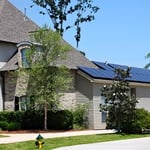
11 kW PV Installation
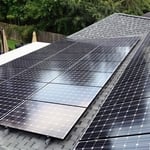
5 kW PV Installation
9.5 kW PV Installation
Recommended by89%of homeowners

Energy Efficiency Auditing FAQs, answered by experts

The difference between an energy auditor and a home inspector is primarily in the purpose of the inspection. The energy auditor conducts tests in your home to determine the energy efficiency levels in areas like windows, insulation, and doorways. The auditor then makes recommendations for ways to improve a home’s energy efficiency. 

A home inspector examines various structures of your home to determine that everything is up to code and gauge the condition of features like the roof, foundation, HVAC, and electrical. The home inspector reports on the overall home and makes repair recommendations.

Upgrade to double-glazed glass or apply energy-efficient coatings to reduce heat loss and utility costs.

R-value measures an insulation material's thermal resistance, indicating its ability to resist heat transfer. A higher R-value signifies better insulation performance because the material is more effective at slowing heat flow. The R-value depends on the type, thickness, and density of the insulation material, such as fiberglass, foam, or cellulose. Each inch of insulation typically provides an R-value between 3 and 8. There is no single universal R-value; the optimal choice depends on your climate zone. Colder climates require a much higher R-value than warmer ones to maintain energy efficiency, keep the home warm in winter and cool in summer, and manage costs.

Not all homes are suited for solar panel systems. Older roofs or those in poor condition may need repairs or replacement before solar panels can be installed. Some other factors to consider are the amount of sunlight your roof receives, the roof’s orientation and pitch, and any shading from nearby trees or buildings.

Blower door tests are measured in a few different ways, but the most popular are air changes per hour (ACH) and cubic feet of air (CFM) moving through the house per hour. A good ACH score is less than 2ACH, but 1ACH is better. This means the house experiences a total air change within 60 minutes (for 1ACH). For 2ACH, there’s a complete change every 30 minutes, and so on. CFM scores are similar in that a lower score means less air change, and therefore less leakage.

The Marion, MS homeowners’ guide to energy efficiency auditing services

From average costs to expert advice, get all the answers you need to get your job done.