



Top-rated concrete resurfacing pros.

Get matched with top concrete resurfacing pros in Nettleton, MS

Enter your zip and get matched with up to 5 pros

Need a pro for your concrete resurfacing project in Nettleton, MS?

Select your specific project to find the pro for you.

TRUSTED BY NETTLETON, MS HOMEOWNERS

  • Average homeowner rating star icon4.1
    Average homeowner rating
  • Verified reviews icon13
    Verified concrete resurfacing reviews

Find Concrete resurfacing pros in Nettleton

Showing 1-10 of 26
Concrete Resurfacing questions, answered by experts

Yes, all basement floors crack in response to the natural settlement of the soil around them and from concrete shrinkage as it cures, and you’ll see hairline cracks as a result. However, you should keep an eye on your basement floor to see if cracks continue to lengthen or widen or show signs of water intrusion. In any of these cases, the problem is likely not settling or shrinkage, and a professional repair is necessary.

While a contractor is on-site repairing your concrete steps, you can have them inspect other concrete surfaces for minor damage. They may be able to fix cracks in your driveway or garage floor during the same visit. You can also ask them to check your home's foundation for minor issues they can address. However, general concrete repair experts typically cannot handle larger jobs, like leveling a sunken foundation. For major structural projects, you will need to hire a structural engineer.

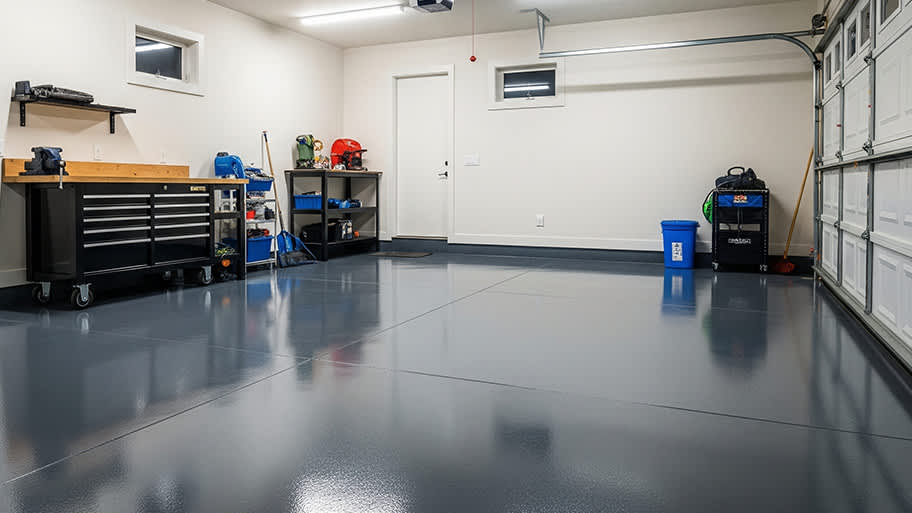
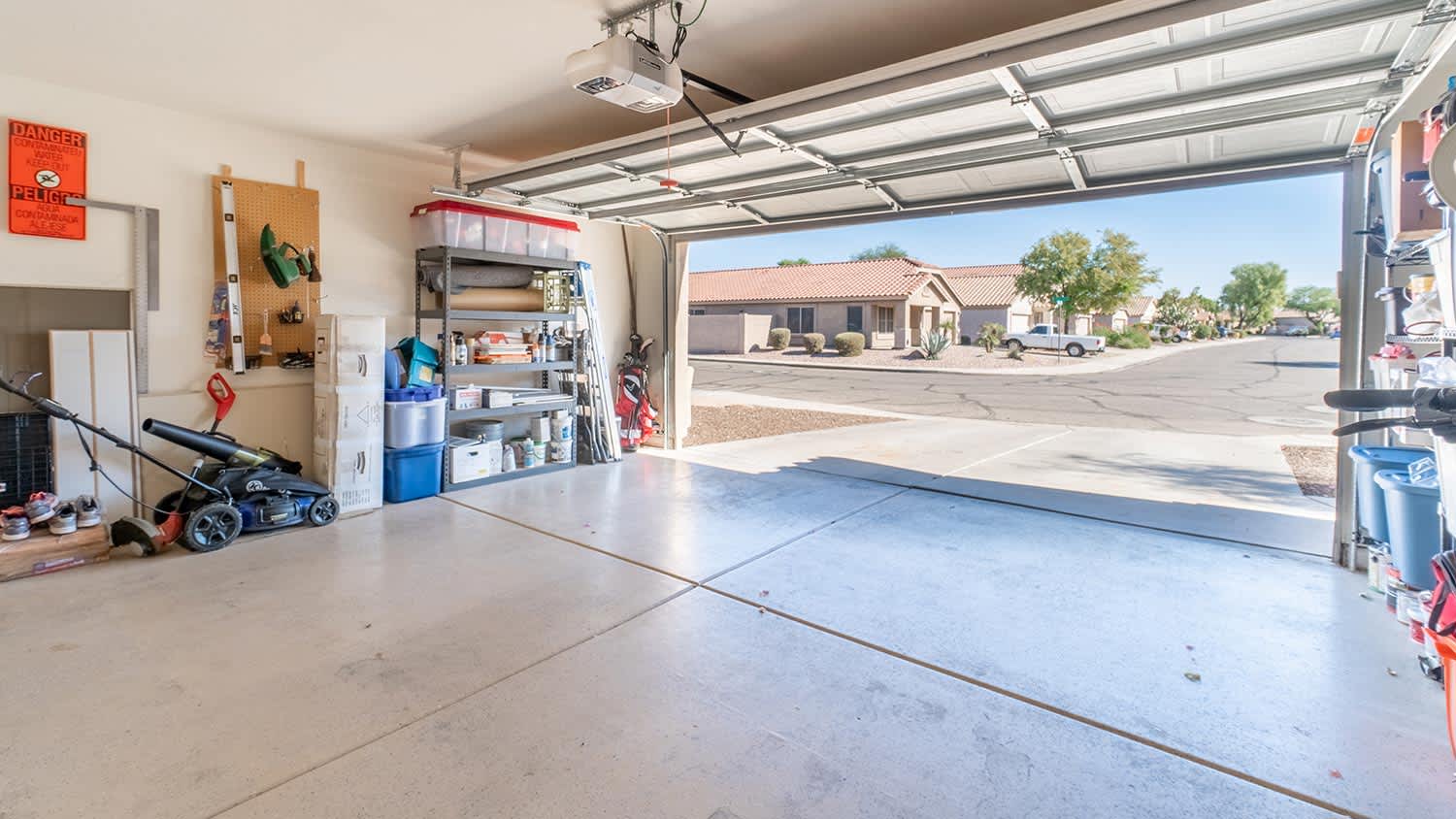
Self-leveling concrete is the best option for your garage floor since it guarantees an even surface in the end. However, most garage floors weren’t made with self-leveling concrete. You don’t need to fully replace the garage floor to use self-leveling concrete. A quarter-to-half-inch of self-leveling concrete on top of your existing floor will be sufficient for a smooth and even finish.

Pervious concrete should be between 4 and 8 inches thick to drain water properly. Surfaces like parking lots and driveways should be at least 6 inches thick to accommodate the weight of vehicles, while patios and walkways may be poured between 4 and 6 inches thick. There’s no standard for pervious concrete thickness, but in most cases, the more weight the surface will need to hold, the thicker it should be.

Yes, you can fill cracks in concrete if you’re a somewhat handy homeowner. It’s important to know which concrete patching method to use, as small cracks require different approaches than large ones. It might seem challenging to determine which product to use and the tools necessary for the project, but with a bit of background, homeowners can restore their cracked concrete easily.
The Nettleton, MS homeowners’ guide to concrete resurfacing

From average costs to expert advice, get all the answers you need to get your job done.