



"The problem turned out to be a burned out small electric door switch. I believe the price was way too expensive for the service performed and the price of the door switch. What more can I say? It got done."
Hey everyone my names Parker Nail. I’m excited to launch my LLC. I’ve been doing Electrical work for 4 years now. I’m always looking for side work and would be happy to handle any type of electrical service needed. My goal is to provide quality and safe work that you can rely on. I’m available after I get off work during the week and on weekends.
I am a highly motivated and dependable construction professional with extensive hands-on experience in a wide range of construction and electrical work and an all around handy handy man I am known for my strong work ethic, physical endurance, and ability to handle demanding projects in fast-paced environments. I take pride in delivering quality craftsmanship, maintaining safe job sites, and completing tasks efficiently and on schedule.\n\nWith a practical, solution-focused mindset, I am capable of working independently or as part of a team to meet project goals and exceed expectations. I am committed to reliability, consistently showing up prepared and ready to perform at a high level. I value professionalism, clear communication, and respect in every interaction with customers, coworkers, and supervisors.\n\nMy goal is to contribute my skills, dedication, and hands-on knowledge to every project while building lasting trust through honest work, strong performance, and dependable results.
We take great pride in our experience, expertise, quality, and customer service that we provide to meet the consumer's needs. It is our mission to provide excellent workmanship and complete customer satisfaction from start to completion of a project. In order to understand the needs and expectations of our customers, we take great care to work and communicate with every customer in a professional manner. Our reputation is based on service, safety, and quality, regardless of how large or small the job.
The most common type of electrical outlet is a 3-prong outlet, which has two flat blades (one is wider than the other) and a round grounding pin. Older homes typically have 2-prong outlets that aren’t as safe as more modern options and are generally not up to current electrical codes. Other outlets you can find in your home include 20A, 125 volt varieties for larger appliances like refrigerators or washing machines.
There are also GFCI outlets, which protect against electrical shock in wet areas, such as bathrooms and kitchens, and arc fault circuit interrupter (AFCI) outlets, which protect against electrical fires caused by arcing.
No. When applied properly, electrical tape is designed to be an insulating material with high resistance to electricity. It can reinforce electrical connections and act as a safeguard to help ensure the electrical current stays within its designated pathways. However, it’s important to note that it can break down over time and you should never use it as a replacement for electrical wire caps.
A home warranty usually covers electrical wiring work, depending on your specific plan. Most home warranty plans cover repairs for major appliances and home systems, including failure due to wear and tear. Home warranties aren’t as common as homeowners insurance, but they are more likely to cover old wiring.
They can vary—a lot. For example, while the EU continues to move toward broader standardization, many different types of outlets still exist from country to country. Some local standards cared about polarization, and some didn’t. It’s similar to other countries around the world.
Generally, you’re less likely to find polarized outlets outside North America. However, alternative plugs and outlets often incorporate precautions so that accidentally touching live prongs on a plug is hard or impossible. You may also find interesting regulations overseas that limit the use of outlets in bathrooms or near sinks to decrease the chance of shock.
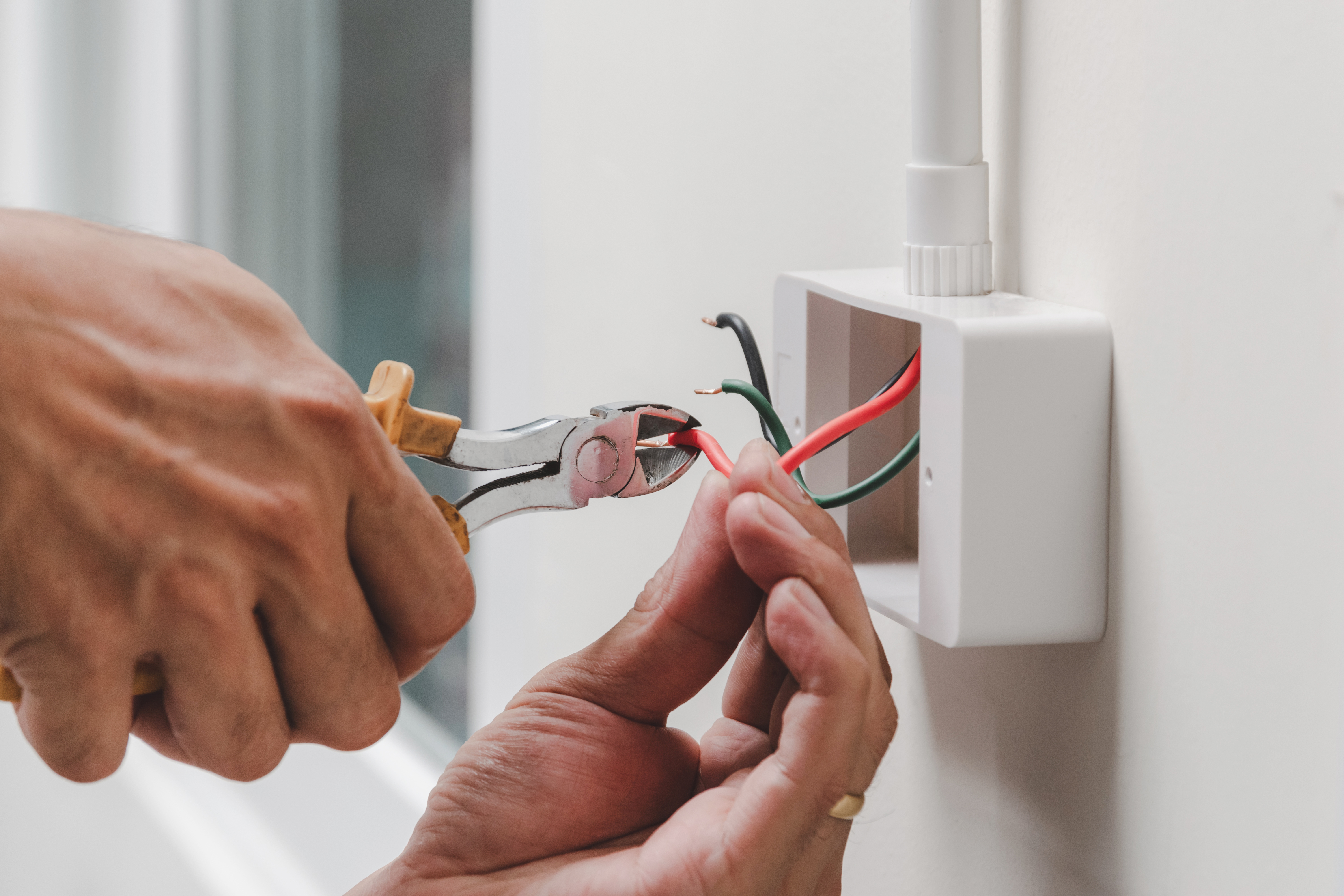
Yes. You should always turn off the power to the work area before beginning, use a voltage tester to ensure it’s off, and wear protective gear, such as insulated gloves or safety glasses, to prevent risk of injury. Proper wiring and grounding techniques are also necessary to make sure the job is done right the first time and won’t harm any future homeowners.
The Mississippi State, MS homeowners’ guide to electrical services
From average costs to expert advice, get all the answers you need to get your job done.
Before you hire a licensed electrical contractor, you should learn the cost to run electric from the road to your house so you can budget for the project.
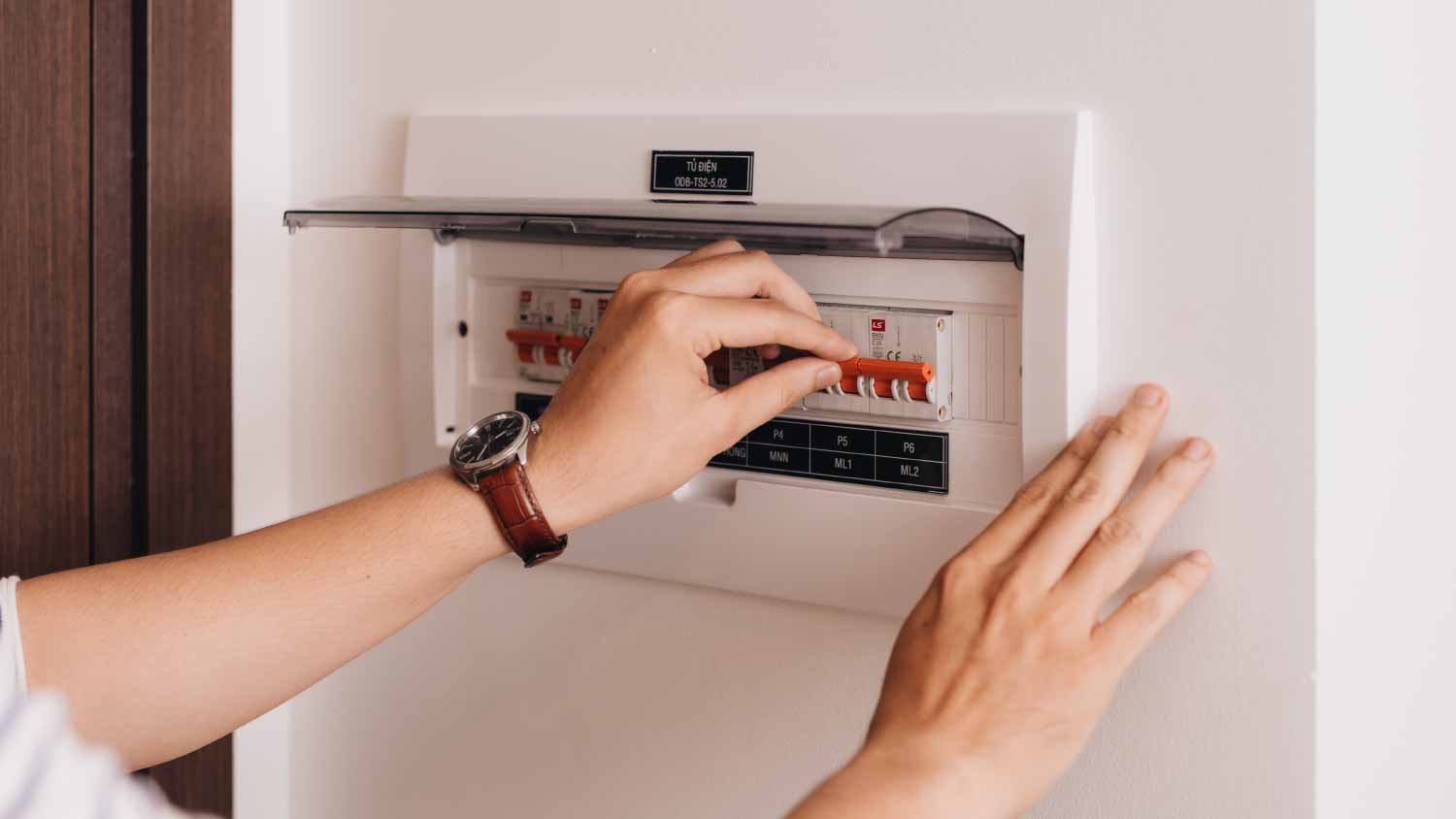
Is it time to upgrade your electrical panel? For the sake of safety, find out sooner than later by exploring our top signs that it’s time for an upgrade.