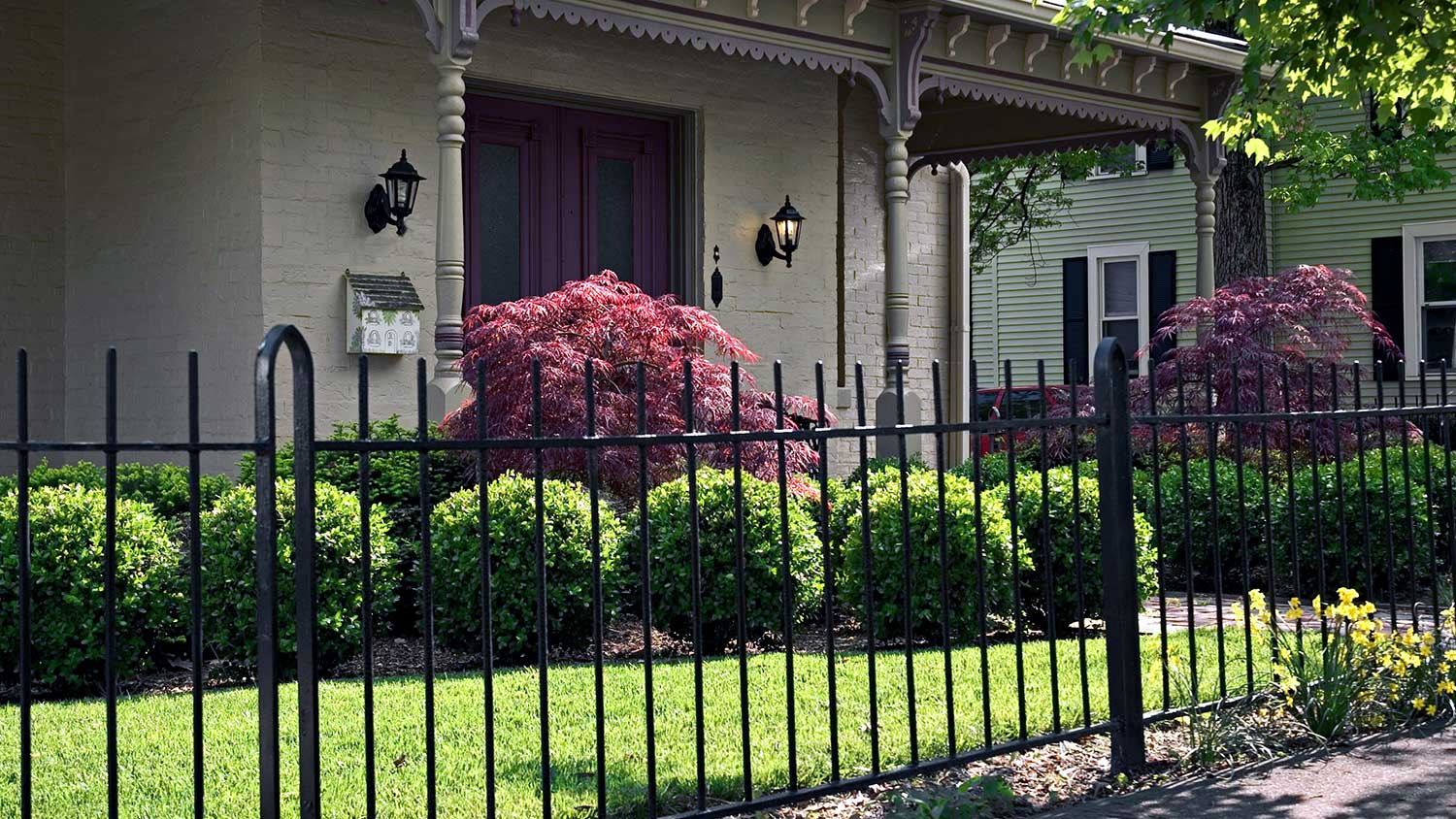







Top-rated wrought iron workers.

Get matched with top wrought iron workers in Latimer, MS

Enter your zip and get matched with up to 5 pros

Need a pro for your wrought iron service project in Latimer, MS?

Select your specific project to find the pro for you.

Find Wrought iron workers in Latimer

Avatar for ATS Fabrication LLC
ATS Fabrication LLC
5.0(
6
)
Wrought Iron Fence - InstallWrought Iron Fence - Repair or Weld

Serving Latimer, MS and surrounding areas

In business since 2025

Free estimates

Emergency services offered

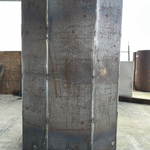
"Mr. Salac was on time every day and very professional. Was very respectful of my property as well while he was here working. He cut out and replaced 2 walls completely, beams and all on my pole barn and I couldn’t be happier with the outcome. Highly recommend ATS for anything metal related."
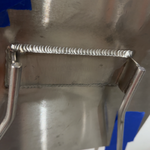
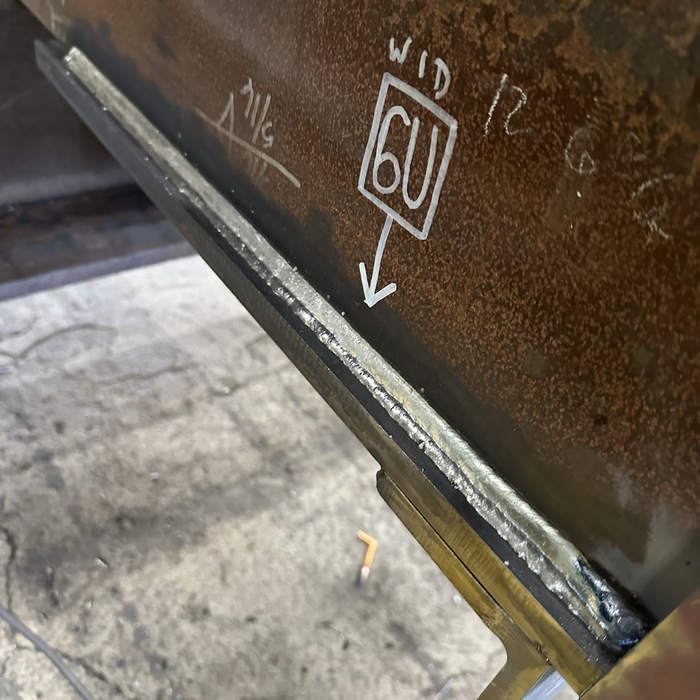
316L Stainless Tig Weld
304L Stainless Tig Welding
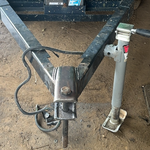
Ball to Draw Bar
Grill Refurbish
Dual Shield Flux

+1

Response time8 hrs
...
Showing 1-10 of 63
Wrought Iron questions, answered by experts

There are many types of fences available to homeowners, including wood, chain link, wire, concrete, brick, corrugated metal, and more. Some fences offer practical solutions for pets and wild animal deterrents, while others offer aesthetics that boost curb appeal. Consider what you’re looking for in a fence to help you decide which is best for your home.

One common approach to attaching lattice is using screws or nails. Align the lattice panel with the wood frame, then secure it by driving screws or nails through the lattice into the wood. Another option is using U-shaped or J-shaped clips or brackets designed for lattice attachment, which provide a neater look. For added stability and aesthetics, you can use molding or framing around the lattice edges, attaching it to the wood with screws or nails—lastly, construction adhesive works when combined with other fasteners for enhanced durability.

The maximum recommended slope on which you can build a racked or stepped fence is 45 degrees. After that, construction becomes quite tricky and may require the use of retaining walls or terraces to make the fenced area flatter.

Yes, fence posts need to be installed below the frost line to ensure stability and prevent heaving caused by freezing and thawing cycles. The frost line is the depth at which soil freezes during winter. By placing posts below this line, often around 3 to 4 feet deep or as recommended for your specific region, you reduce the risk of the ground shifting, which can lead to leaning or unstable fences. Adequate depth provides better anchoring and helps maintain the fence's integrity, ensuring it remains secure and upright throughout changing seasons.

The depth of the fence posts depends on the height of your fence. If you’re installing a 6-foot fence, then digging 2-foot-deep holes for the fence posts will help ensure a secure installation. However, if you’re installing an 8-foot fence, the posts will need to be deeper than 2 feet to support the structure properly. Also, consider how far apart the fence posts should be to provide adequate support.

The Latimer, MS homeowners’ guide to wrought iron services

From average costs to expert advice, get all the answers you need to get your job done.