




Top-rated excavation pros.

Get matched with top excavation pros in Columbia, MS

Enter your zip and get matched with up to 5 pros

Need a pro for your excavation project in Columbia, MS?

Select your specific project to find the pro for you.

TRUSTED BY COLUMBIA, MS HOMEOWNERS

  • Average homeowner rating star icon5
    Average homeowner rating
  • Verified reviews icon12
    Verified excavation services reviews

Find Excavation pros in Columbia

Magee Fencing and Land Clearing LLC
New to Angi
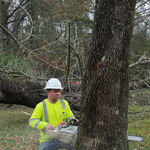
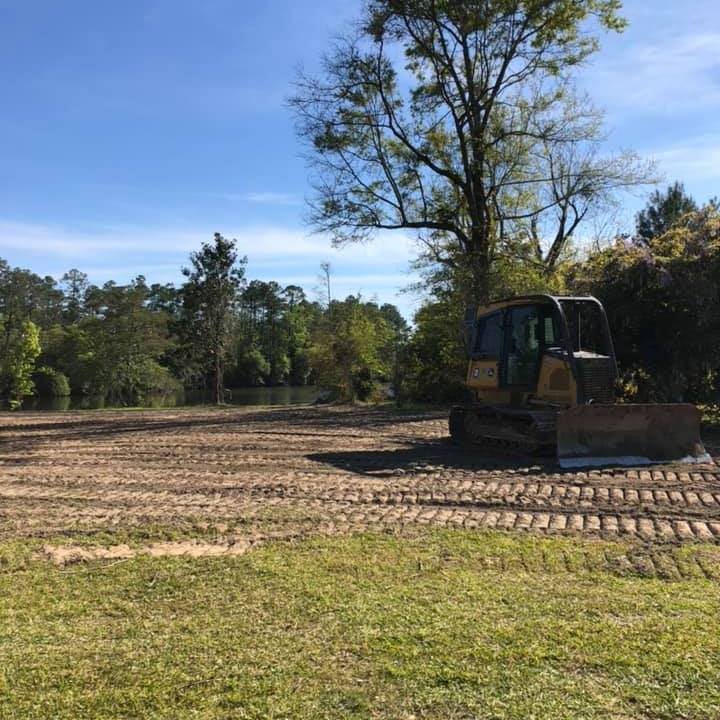
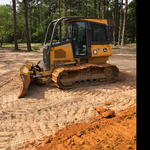
Building Site - Preparation and Clearing

Serving Columbia, MS and surrounding areas

Approved

In business since 2023

Free estimates

Credit card accepted

Here at Magee Fencing and Land Clearing LLC we are family owned, and operated with over 20 years of experience.. We take great pride in our expertise, quality, and customer service, that we provide to meet the consumer's needs. It is our mission to provide excellent workmanship and complete customer satisfaction, from the start to completion of a project. In order to understand the needs and expectations of our customers, we take great care to work and communicate with every client in a professional manner. Our reputation is based on service, safety, and quality, regardless of how large or small the job we will treat your home, or your business as we would treat our own. Give Magee Fencing and Land Clearing LLC, a call today, We look forward to working with you!

...
Showing 1-10 of 87
Excavating questions, answered by experts

The rules for trenching and excavation include setting up and following safety protocols, learning how to use tools and machines properly, and ensuring there is a safe exit for all workers. Keep heavy equipment and materials away from the edge of the hole or trench. Call the 811 dig line before starting any excavation or trenching project to ensure you don’t hit any electrical or gas lines.

If you don’t have a crawl space but have a partial basement you want to make deeper, you can expect to spend a little less—between $40,000 and $90,000 on average. However, if you’re not adding new finished square footage, you won’t see much in the way of ROI.

As a general rule, the protected area should be about 1½ times as wide as the canopy of the tree’s leaves. This digging measurement can vary by tree species and the age of the tree. Of course, that can be a lot of fencing for larger trees, which is why our first step is about making difficult decisions on which trees to save.

Digging a bush up by the roots is the most natural DIY method for removing a bush stump. Start by identifying the shrub type and revealing its roots. Cut the shrub to its base and loosen the soil, ensuring no utility lines are nearby. Optionally, treat the base with herbicide, then dig around the roots and cut a circle around the shrub using various tools. Dig a trench, cut the base of the root ball, and finally fill the hole to prevent regrowth. This thorough process ensures complete removal without damaging surrounding areas.

No, you typically cannot use metal detectors to find your sewer line. Most sewer lines are made of non-metallic materials such as PVC, clay, or cast iron, which are not detectable by standard metal detectors. Metal detectors are designed to locate metallic objects, so they won't be effective for identifying the path of a non-metallic sewer line. To locate your sewer line accurately, it's best to use other methods.

The Columbia, MS homeowners’ guide to excavation services

From average costs to expert advice, get all the answers you need to get your job done.