






Top-rated wall repair pros.

Get matched with top wall repair pros in Collins, MS

Enter your zip and get matched with up to 5 pros

Need a pro for your wall repair project in Collins, MS?

Select your specific project to find the pro for you.

TRUSTED BY COLLINS, MS HOMEOWNERS

  • Average homeowner rating star icon4.4
    Average homeowner rating
  • Verified reviews icon18
    Verified wall repair services reviews

Find Wall repair pros in Collins

Avatar for New Creation Remodeling
New Creation Remodeling
5.0(
11
)
Drywall - InstallDrywall - Repair

Serving Collins, MS and surrounding areas

Approved

In business since 2019

Free estimates

Emergency services offered

"They were excellent to work with on this project. The communication was excellent, very responsive and knowledgeable with questions. Due to leak, they installed and new dry wall, painted and installed new flooring. Very pleased."

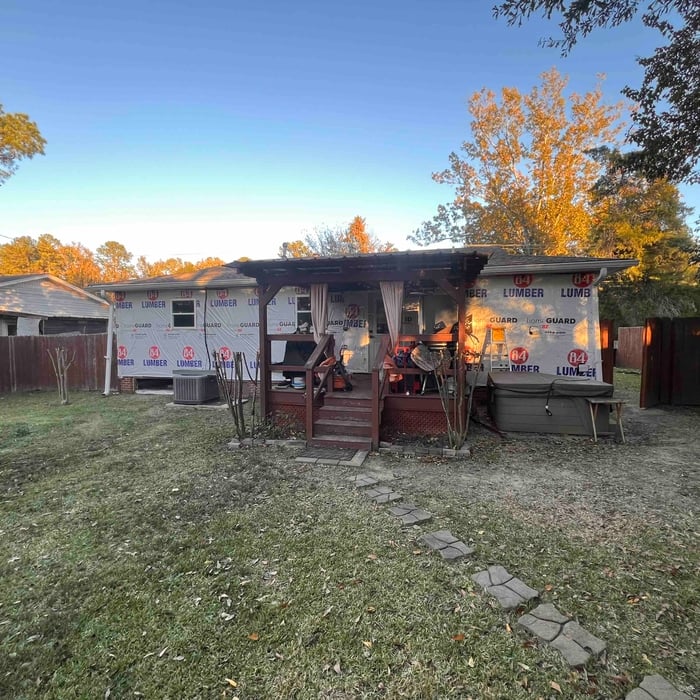
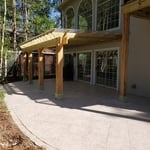
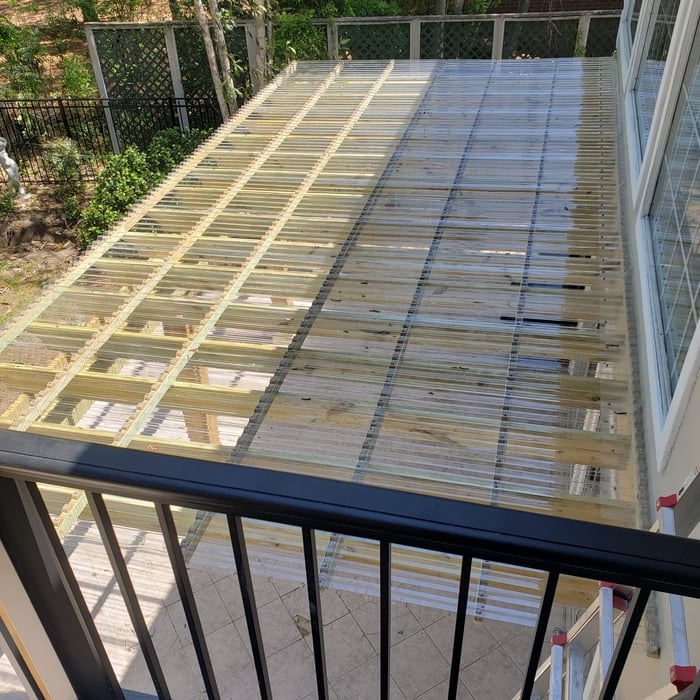
New Hardie lap siding
Backyard fun
After demo
Siding update
Siding update

+45

Response time4 hrs
Response rate100%
1 neighbors recently requested a quote
Avatar for Groundworks
Groundworks
4.6(
10
)
Poured Concrete Wall - Repair

Serving Collins, MS and surrounding areas

Approved (Corporate)

In business since 2025

Free estimates

Warranties offered

"Stanley came out and took time to thoroughly inspect our foundation and proposed a solution to level the floors and waterproof the crawl space. Really appreciated his thorough service and clear advice."
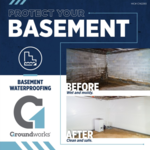
Basement Waterproofing
Foundation

+17

134 neighbors recently requested a quote
...
Showing 1-10 of 226
Wall Repair questions, answered by experts

Rebar is a steel support that goes inside concrete to prevent structural damage over time. Concrete is susceptible to impact, weight, and tension. By inserting rebar into the concrete during the installation, you can help extend its lifespan and avoid hazardous situations where the foundation of your home gives way to tensile forces.

Small retaining walls still require a foundation of some kind, typically a concrete footing. This helps to ensure the wall is structurally sound and prevents the ground from shifting over time, especially during those winter freeze/thaw cycles. The footing helps spread the weight of the wall and the load it carries over a larger area of the ground, thus assisting with stability. This is true of small retaining walls, larger rock garden walls, and the like. 

Generally speaking, a retaining wall should be between 3 and 4 feet high, depending on variables such as the wall-building material, the purpose of the retaining wall, and more. If you want your retaining wall to be taller than 4 feet, check with your local building ordinance office for the maximum allotment. You may also need a special permit for retaining walls over 4 feet tall.

Railroad ties can be good for retaining walls, but it depends on the area. They have a desirable rustic look and are durable. The problem is they’re treated with creosote, a preservative the EPA says poses a risk to humans and wildlife. Over time, the preservative seeps out of the wood and into the ground. Many areas have banned the use of creosote-treated wood on residential properties. If your area does allow it, never use railroad ties near an edible garden or drinking water source. Instead, use wood that’s treated with an EPA-approved preservative or a wood-alternative composite material.

A retaining wall can only function as a fence if it’s high enough on all sides to prevent someone from accidentally falling into the pool. However, most retaining walls retain dirt, which means their purpose is not related to safety. There would need to be nothing on the other side of the wall for it to be considered a fence, but in that case, it wouldn’t retain anything and would cease to be a retaining wall.  

The Collins, MS homeowners’ guide to wall repair services

From average costs to expert advice, get all the answers you need to get your job done.