





Top-rated energy efficiency auditors.

Get matched with top energy efficiency auditors in Bude, MS

Enter your zip and get matched with up to 5 pros

Need a pro for your energy efficiency auditing project in Bude, MS?

Select your specific project to find the pro for you.

Find Energy efficiency auditors in Bude

Avatar for ENTERGIS TESTING AND SEALING, LLC
ENTERGIS TESTING AND SEALING, LLC
New to Angi
Home Energy Audit

Serving Bude, MS and surrounding areas

In business since 2015

Free estimates

Credit card accepted

Spent 5 years learning the craft based on my own interests. Keeps customer completely satisfied. Spend all day thinking about air leakage and how to help those in the Louisiana climate zone. Someone can have the best built home, but if they do not have the correct air sealing, they will be uncomfortable and spend unnecessary money on their energy. My mission is to make my customers the most comfortable in their homes, and save them money.

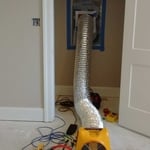
HVAC System Duct Leakage Test
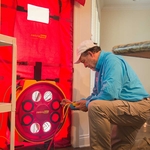
Door Fan Test
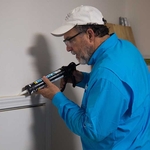
Air Sealing
Air Sealing
Response time1 day
Response rate88%
Energy Efficiency Auditing questions, answered by experts

Yes, a dirty air filter can cause a higher electric bill. That’s because clogged filters make it harder for air to flow through your HVAC system, which forces it to work harder and use more energy. According to the U.S. Department of Energy, replacing dirty filters can save you between 5% and 15% in utility costs.

Yes, advising on models that save electricity and reduce utility bills.

Yes, installing an attic fan can help lower your electric bill—particularly if you live in a hot and humid region. By replacing hot and stuffy air with cooler air, these fans help regulate the temperature in your attic and the rest of your home, taking some of the pressure off of your air conditioner.

Energy-efficient windows cost more than other window types, but they can help you save on your monthly energy bills, get you some breaks on your taxes, and even increase the value of your home. According to Michael S. Regan, Administrator of the U.S. Environmental Protection Agency, when people invest in green upgrades like energy-efficient windows, they save energy, money, and more.

To determine the right size generator for your house, you should calculate the total wattage of the appliances and devices you want to power during an outage. List all essential items, note their start-up wattages, and add them together.

Here are some typical wattage requirements for common appliances:

  • Refrigerator: 600 watts

  • Large dehumidifier: 700 watts

  • Large window air conditioner: 1,400 watts

  • Water heater: 3,000 to 4,500 watts

  • Electric furnace: 5,000 to 25,000 watts

A 7,500-watt generator might be sufficient for essentials like a refrigerator, freezer, well pump, and lighting circuits. However, for high-demand items like a water heater or furnace, a whole-home generator is a better choice. A portable generator may be enough if you only need to power a few critical items.

While home square footage can offer a rough estimate, it is not always a reliable indicator. For reference, here are some typical generator sizes based on square footage:

  • 1,000 sq ft: 6–9 kW

  • 1,500 sq ft: 7–10 kW

  • 2,000 sq ft: 10–14 kW

  • 2,500 sq ft: 12–16 kW

  • 3,000 sq ft: 16–20 kW+

For the most accurate sizing, consult a professional who can calculate your home's peak and average power consumption and recommend the optimal generator.

The Bude, MS homeowners’ guide to energy efficiency auditing services

From average costs to expert advice, get all the answers you need to get your job done.