

Top-rated concrete wall service pros.

Best concrete wall service pros near Saint Robert, MO

Enter your zip and get matched with up to 5 pros

Need a pro for your concrete wall construction project in Saint Robert, MO?

Select your specific project to find the pro for you.

TRUSTED BY SAINT ROBERT, MO HOMEOWNERS

  • Average homeowner rating star icon3.9
    Average homeowner rating
  • Verified reviews icon20
    Verified concrete wall construction reviews

Top-Rated Concrete wall service pros in Saint Robert - Updated Nov 2026

Avatar for Foundation Recovery Systems
Foundation Recovery Systems
4.3(
295
)
Poured Concrete Wall - Repair

Serving Saint Robert, MO and surrounding areas

Approved (Corporate)

In business since 1992

Free estimates

Warranties offered

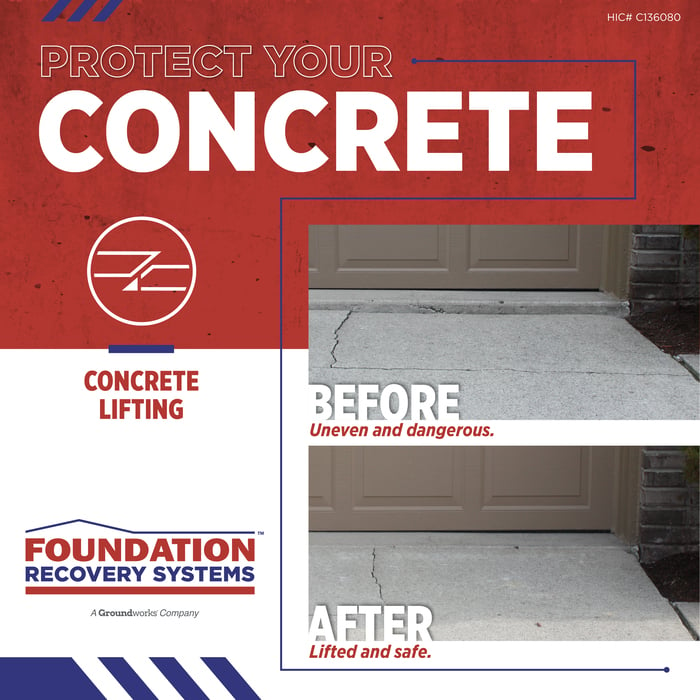
"I had Christian lift some concrete on my back patio to save my downstairs ac unit from shorting out from puddles forming from the heavy rains. They were able to complete job without moving or Uninstalling the ac unit. Kudos to Jason for putting up with me while he explained the process after other household issues were brewing after a bad storm. Thanks for saving my AC unit. Front edge of unit is not underwater after rain now."
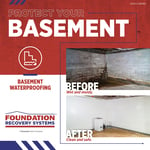
Protect Your Basement Before & After
Correct Your Wet Basement
Protect Your Basement
Waterproof Your Basement
Protect Your Concrete Before & After

+16

82 neighbors recently requested a quote
Recommended by88%of homeowners

Avatar for Palmer Foundations & Flatwork, LLC
Palmer Foundations & Flatwork, LLC
5.0(
4
)
Poured Concrete Wall - Install

Serving Saint Robert, MO and surrounding areas

Approved

Super Service Award Winner

In business since 2021

Free estimates

Credit card accepted

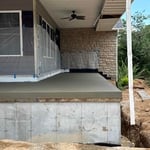
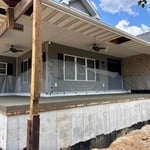
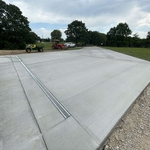
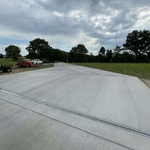
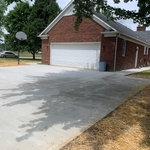
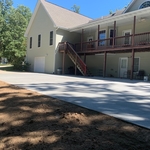
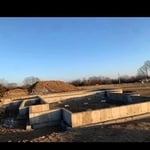
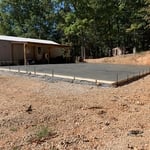
"We hired Palmer Foundations and Flatwork to pour our foundation, porches, chopped walls, and floors, and let me just say ? they absolutely knocked it out of the park! From start to finish, their team was professional, efficient, and incredibly skilled. Every single detail was executed with precision, and the final result truly exceeded our expectations. Not only does everything look phenomenal, but it?s also solid, clean, and built to last. They showed up when they said they would, communicated clearly throughout the project, and worked hard even through some tough conditions to get the job done right. If you?re looking for a concrete crew that takes pride in their work and delivers flawless results, look no further than Palmer Foundations and Flatwork. We couldn?t be happier with how everything turned out. Highly, highly recommend!"
Foundations and flatwork

+5

Response time8 hrs
Response rate100%
10 neighbors recently requested a quote
Showing 1-10 of 25
Concrete Walls FAQs, answered by experts

The longevity of flood walls depends on how they were constructed, but most wood, gravel, and cement flood walls last 10 years. While aluminum flood walls may cost far more initially, they can be a good investment as they can last decades and will not be damaged by exposure to the elements.

In most cases, you will need a building permit for cement work on your property. You need a permit for any project that adds a permanent foundation on your property—which, in most cases, includes even a flat slab of concrete poured directly on the ground. Building permits for concrete projects usually cost between $100 and $500, although this can get higher for larger projects. You can always ask your cement company if a permit is necessary for your project, and the expert will typically pull the permit for you to save you time and energy.

It’s possible to pour concrete if the temperatures are expected to dip below freezing at night, but you need to take some special precautions before you do. Most importantly, you need to make sure your concrete won’t freeze, so the best thing to do is enclose the area and heat it. You should also make sure you’re using cold-weather concrete that’s designed for pouring in cold weather. Use accelerants to help speed up the curing process and avoid cold temperatures from resulting in weak concrete.

Aim for a concrete thickness of at least 4 inches for the walls of your above-ground storm shelter and 3.0 to 3.5 cubic yards of concrete for the base of your storm shelter. If you’re concerned about the thickness of your concrete while building a storm shelter, get in touch with a professional storm shelter builder to make sure your work is up to code and safe. 

While fumigation chemicals cannot pass through solid objects, they will seep into any openings in walls, doors, or other closed spaces. This allows them to get into tight places where pests may be hiding and causing damage, like termites ruining the foundation of your home. It also means that your home needs to ventilate for 48 hours before returning to ensure that no harmful chemicals remain in your space. 

The Saint Robert, MO homeowners’ guide to concrete wall construction

From average costs to expert advice, get all the answers you need to get your job done.