
Top-rated mulch and topsoil pros.

Get matched with top mulch and topsoil pros in Rolla, MO

Enter your zip and get matched with up to 5 pros

Need a pro for your mulch and topsoil service project in Rolla, MO?

Select your specific project to find the pro for you.

Find Mulch and topsoil pros in Rolla

Avatar for Superior One LLC
Superior One LLC
5.0(
2
)
Lawn Care - Maintain and Mow a Lawn

Serving Rolla, MO and surrounding areas

Approved

In business since 2025

Free estimates

Emergency services offered

"I couldn’t be happier with the service from Superior One, LLC! From start to finish, they were professional, reliable, and paid great attention to detail. My yard has never looked better—clean edges, perfectly cut grass, and everything left spotless when they were done. They showed up on time, worked efficiently, and clearly take pride in what they do. It’s hard to find a company that consistently delivers this level of quality and care. If you’re looking for dependable, high-quality lawn service, I highly recommend Superior One, LLC. They truly live up to their name!"
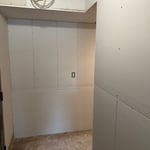
Office Space Before
Office Hallway
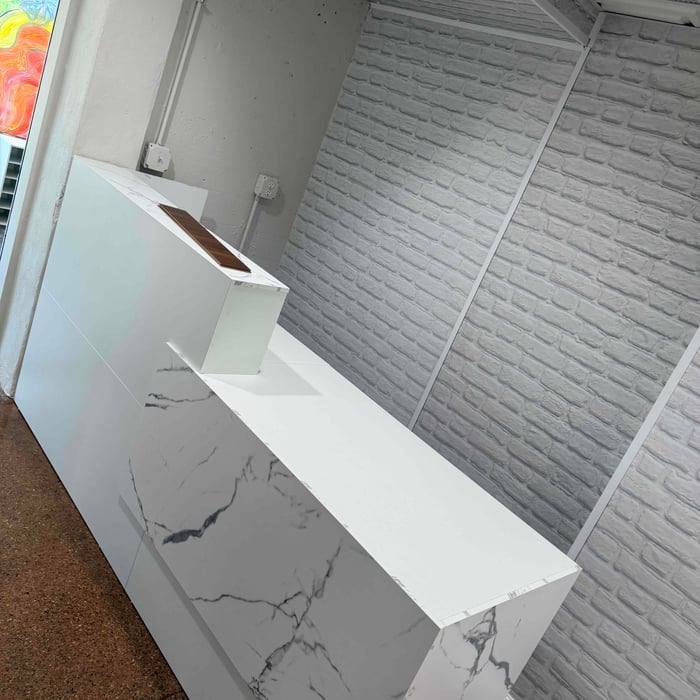
Office Space Remodel

+12

22 neighbors recently requested a quote

...
Showing 1-10 of 69
Mulch and Topsoil questions, answered by experts

Yes, you need to add topsoil before you hydroseed to ensure the roots can grow deep. You should cultivate and add compost or amendments to your soil before hydroseeding for optimal growth. Without topsoil, your hydroseed might not take root, leading to wasted effort and money down the drain. Soil preparation is key to the success of DIY hydroseeding.

Nonorganic mulch, like river rocks, pebbles, or lava rock, technically lasts the longest. It helps with moisture retention and weed control but doesn’t break down and release nutrients like organic mulch. Wood mulch decomposes slowly, which can help it last longer than leaf or straw mulch, but it won’t provide as many nutrients as quickly as the faster decomposing types.

There are several reasons your grass may be dying that could be in or out of your control. The most common issues include poor drainage, under/overwatering, poor soil pH, low soil nutrients, low sunlight, or too much foot traffic.

The best size river rock for your landscaping project depends on how you plan to use the stones. Generally, most river rocks used in landscaping are between 1/2 and 8 inches in diameter. For walkways and pathways, smaller rocks between 1 and 3 inches are suitable. For water features, medium-sized stones from 2 to 5 inches often work best. Garden beds can benefit from a mix of medium and large stones, ranging from 3 to 8 inches. These sizes can cover applications like decorative flower beds and drainage areas around foundations or retaining walls. For added visual interest, landscapers sometimes intersperse smaller river rocks with large boulders.

No, gravel and crushed rock are different. Crushed rock is made in a quarry and has sharp, jagged edges. It’s most commonly used for building and construction.

Gravel naturally occurs in river beds or lakes and features smooth edges, making it a better choice for landscaping or other decorative areas. Like crushed stone, gravel can also be found in quarries, but it’s typically due to rock-on-rock erosion rather than machinery.

The Rolla, MO homeowners’ guide to mulch and topsoil services

From average costs to expert advice, get all the answers you need to get your job done.