





Top-rated mold testing and remediation specialists.

Get matched with top mold testing and remediation specialists in Rolla, MO

Enter your zip and get matched with up to 5 pros

Need a pro for your mold testing and remediation project in Rolla, MO?

Select your specific project to find the pro for you.

Find Mold testing and remediation specialists in Rolla

Avatar for Sam's Home and Commercial Inspectors LLC
Sam's Home and Commercial Inspectors LLC
5.0(
6
)
Indoor Air Quality TestingMold & Toxic Material TestMold & Toxic Material Test - For Business

Serving Rolla, MO and surrounding areas

Approved

In business since 2022

Free estimates

Emergency services offered

"I used this company twice and Sam was very prompt with responding and getting the inspection done within a few days. I got the inspection report same day. Even the realtor I'm with plans on recommending him to other clients. Very decent pricing as well."
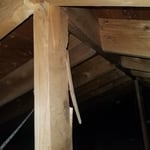
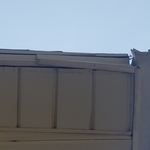
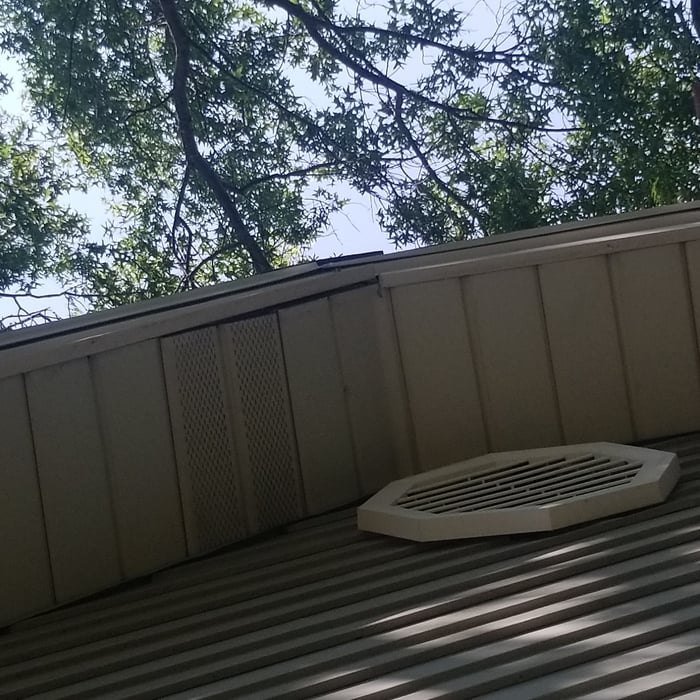
Water coming in.
May have a New roof but....
Bad support
gutter
fasica rotten

+48

Response time6 hrs
Recommended by100%of homeowners
Avatar for Advanced Foundation Repair & Replacement
Advanced Foundation Repair & Replacement
5.0(
30
)
Dry-rot, Water or Pest Damage - Major Repair

Serving Rolla, MO and surrounding areas

Emergency services offered

"They were responsive to every call, did the work professionally and cleaned up nicely.  We would not hesitate to recommend them to friends and family.  We had two leaning columns in the back yard that are now straight and piered so they will never shift again.  They then removed a large area of cracked cement and relayed.  It looks fantastic!
"
Additional Photos
Additional Photos
Additional Photos
Additional Photos
Additional Photos

+2

Recommended by100%of homeowners
Showing 1-10 of 25
Mold Testing and Remediation questions, answered by experts

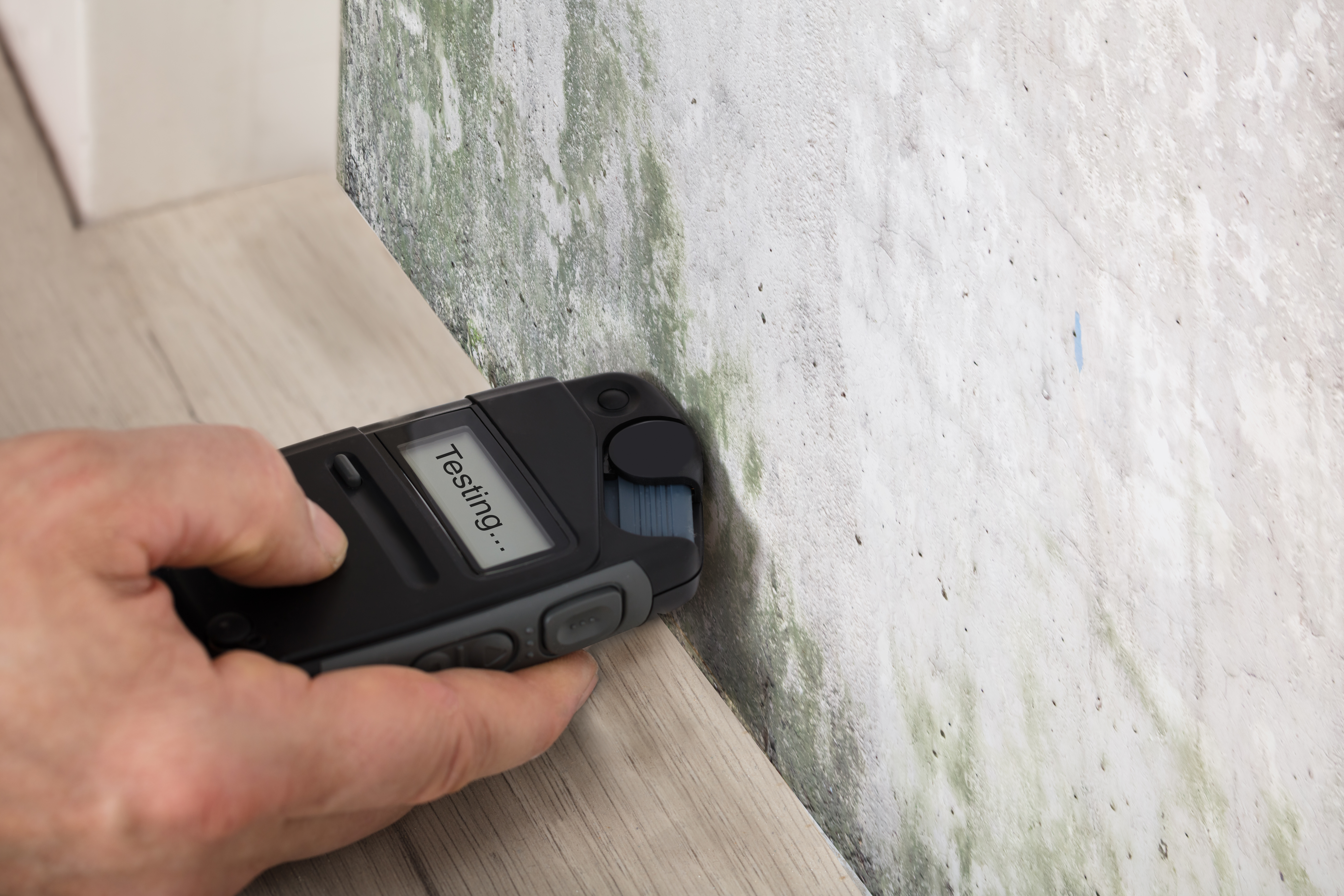
Many types of mold spores and fungi spores are constantly present in the air, but they need a friendly surface and moisture to grow. Should some of these spores land on paper or wood with significant moisture present—such as drywall with a paper cover that is soaking up water from a leak—mold or fungi could begin growing. Dampness from leaky pipes, condensation on windows, leaks in a roof, flooding in a basement, or high, prolonged humidity in a small area all can create the excess moisture that mold and fungi need to grow in your home.

Yes, a one-time water leak can cause mold. Depending on the conditions, mold can begin to grow within 12 to 48 hours. The risk increases with the severity of the leak, high humidity, and when water soaks into absorbent materials like drywall. To prevent mold growth, stop the leak immediately and ensure the area is dried completely; running a blower fan for 24 hours is recommended. If you do notice mold, it's best to call a mold removal specialist to address the situation.

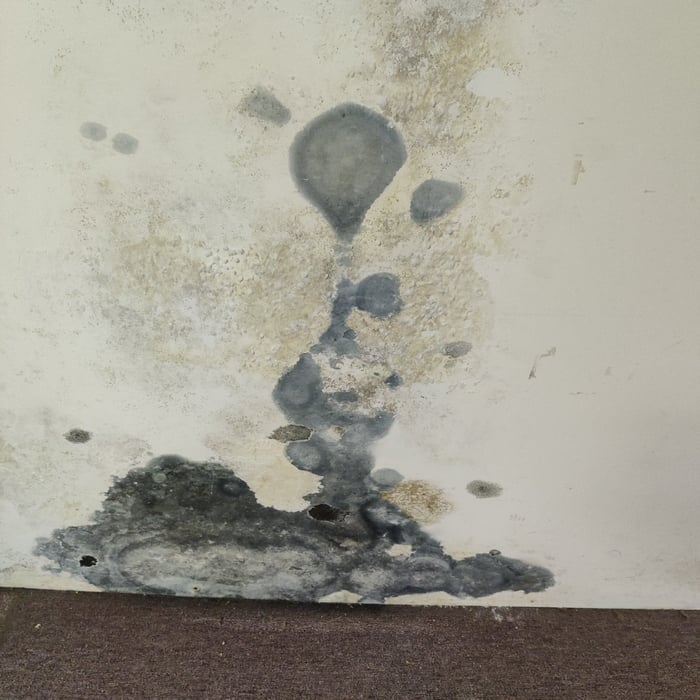
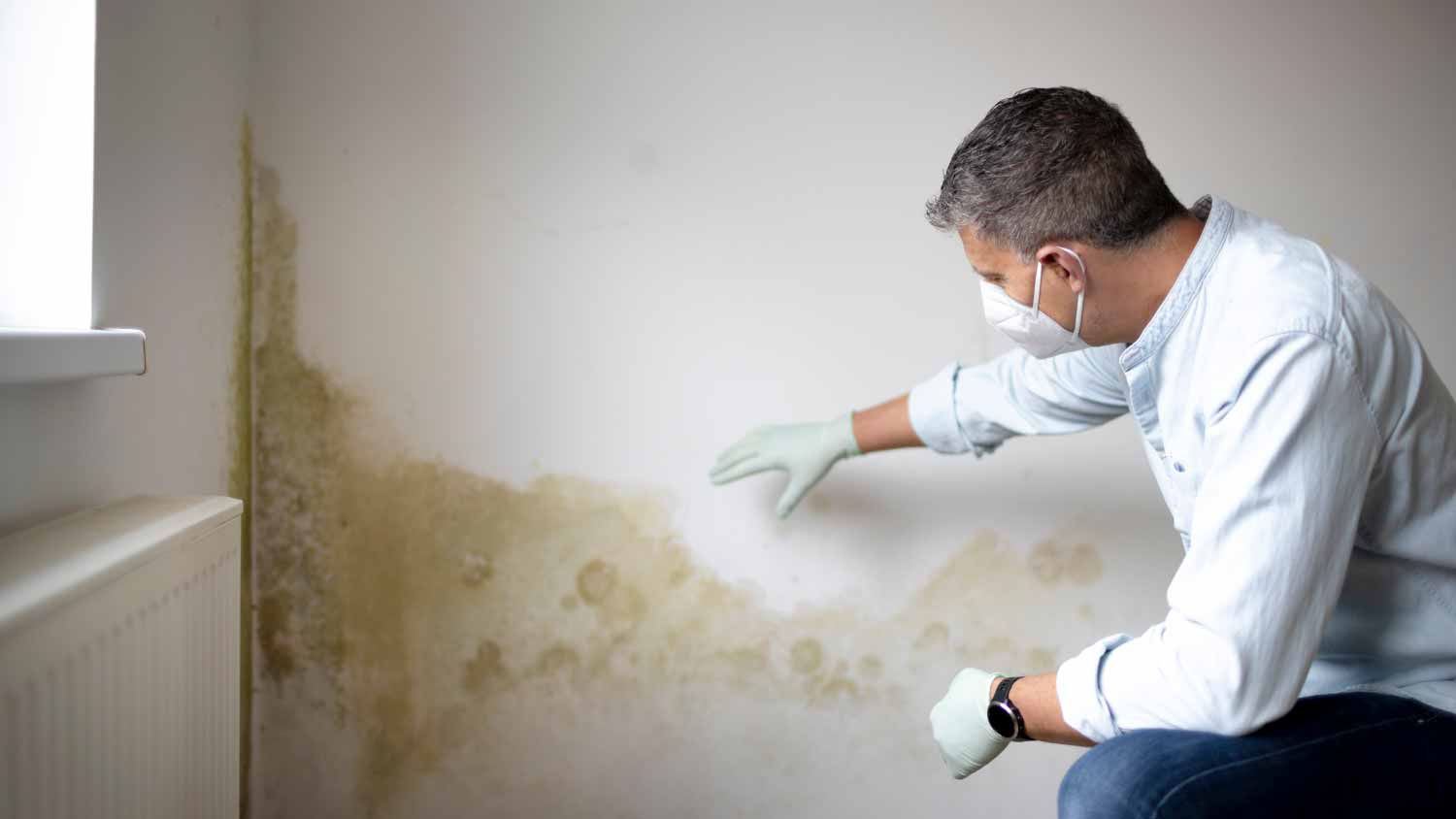
The primary difference is that black mold (Stachybotrys chartarum) is considered toxic and more dangerous than regular mold. It can produce harmful chemicals called mycotoxins, which may lead to severe health issues like respiratory problems, skin irritation, headaches, and other long-term complications. While regular mold is rarely toxic, it can still cause allergic reactions and respiratory irritation. Visually, black mold often appears dark—green, gray, brown, or black—with a fuzzy texture, whereas regular mold can be almost any color. Black mold is less common and typically grows in areas with severe water damage. Regardless of the type, you should not ignore any mold infestation in your home.

Yes, mold behind drywall can affect your health, even if it is not visible. Mold releases spores and mycotoxins into the air that can be inhaled, leading to various health issues including respiratory problems, allergies, asthma symptoms, coughs, and other infections. While individuals with pre-existing conditions like allergies, asthma, or weakened immune systems are particularly vulnerable, anyone can be affected by prolonged exposure. Additionally, if left untreated, mold can spread throughout your home and compromise its structural integrity, resulting in costly repairs.

You’ve stored your coats away all summer long, but now that the temperatures drop, you notice they smell weird as you pull them from storage. What’s the deal? If your clothes smell weird after you stored them, they may have been in a moist, dark environment for several weeks or months. This environment is ideal for mildew growth, which can make clothes smell musty.

The Rolla, MO homeowners’ guide to mold testing and remediation services

From average costs to expert advice, get all the answers you need to get your job done.