


Top-rated paving pros.

Get matched with top paving pros in New Haven, MO

Enter your zip and get matched with up to 5 pros

Need a pro for your paving service project in New Haven, MO?

Select your specific project to find the pro for you.

TRUSTED BY NEW HAVEN, MO HOMEOWNERS

  • Average homeowner rating star icon4.4
    Average homeowner rating
  • Verified reviews icon20
    Verified paving services reviews

Find Paving pros in New Haven

Avatar for Driveway911.com
Driveway911.com
4.4(
13
)

Serving New Haven, MO and surrounding areas

Approved

In business since 1991

Free estimates

Emergency services offered

"Adam was fantastic. Clean lines down our long driveway. Really enhances the entire property. Provided a quote and stuck to it. Showed up on time and stuck to schedule. Definitely recommend!"
Edwardsville IL Asphalt Sealcoating
Worlds Largest Catsup Bottle Collinsville IL Asphalt Seal Coat
Chesterfield Asphalt Sealcoating
Asphalt Repairs and Seal Coat Collinsville IL
Asphalt SealCoat

+23

Response time6 days
3 neighbors recently requested a quote
Recommended by84%of homeowners
Avatar for Dynamic Outdoor Solutions
Dynamic Outdoor Solutions
5.0(
3
)

Serving New Haven, MO and surrounding areas

Approved

In business since 2019

Free estimates

Emergency services offered

"Tom was fantastic to work with. Responded immediately when I had questions. As soon as product was in they were out there to install. Very happy with the work and amazing customer service. We will be using them for future jobs."
Response time5 hrs
Recommended by100%of homeowners
...
Showing 1-10 of 55
Paving Services questions, answered by experts

A driveway's lifespan varies by material. Asphalt driveways typically last 15 to 30 years, while concrete driveways last longer, between 20 and 50 years. The longevity of any driveway is affected by factors like extreme temperatures, heavy traffic, and the quality of maintenance. Regular upkeep, such as filling cracks, resealing the surface, and ensuring proper drainage, can help extend its life. For gravel driveways, regrading to fill in uneven areas every year or two is recommended.
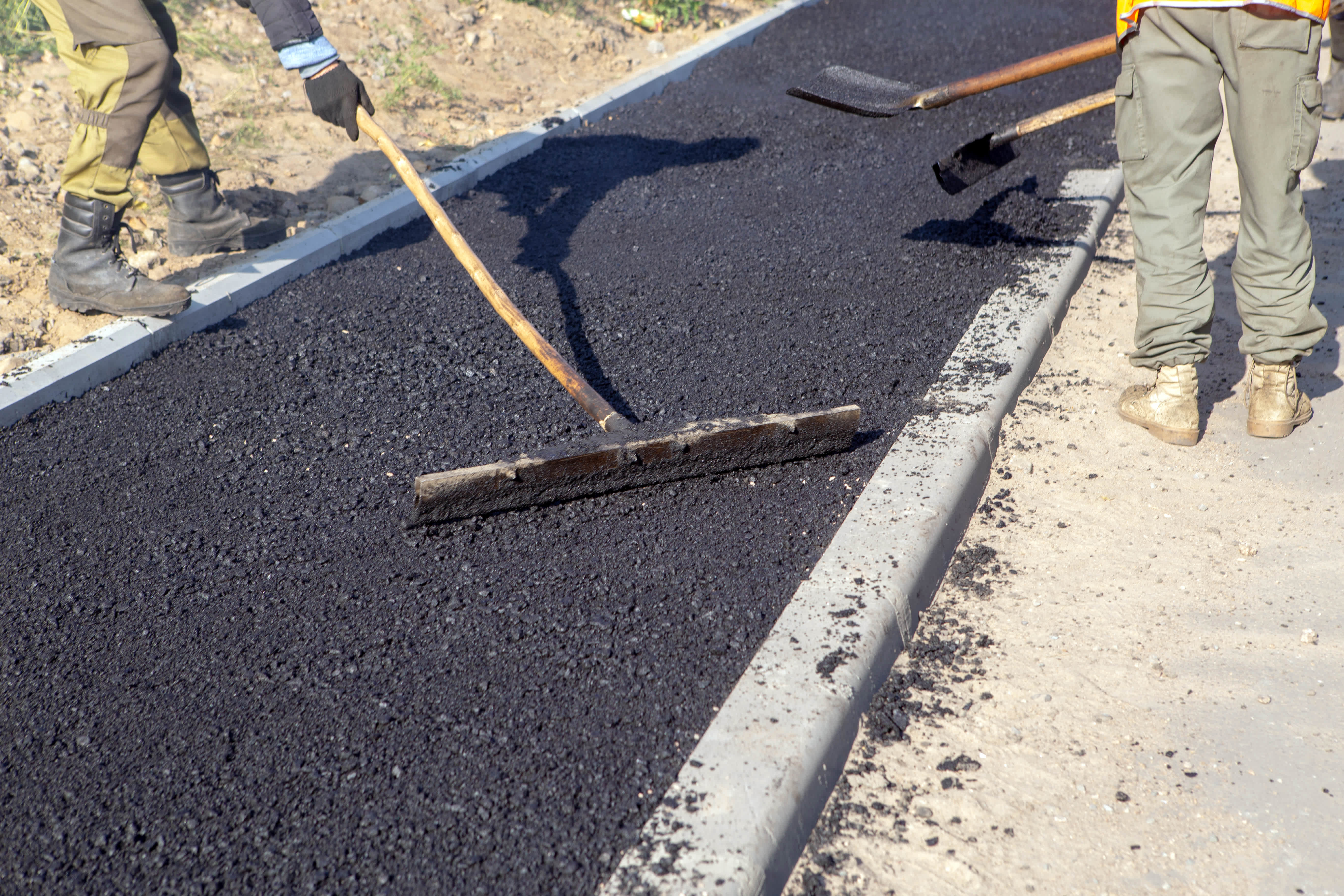
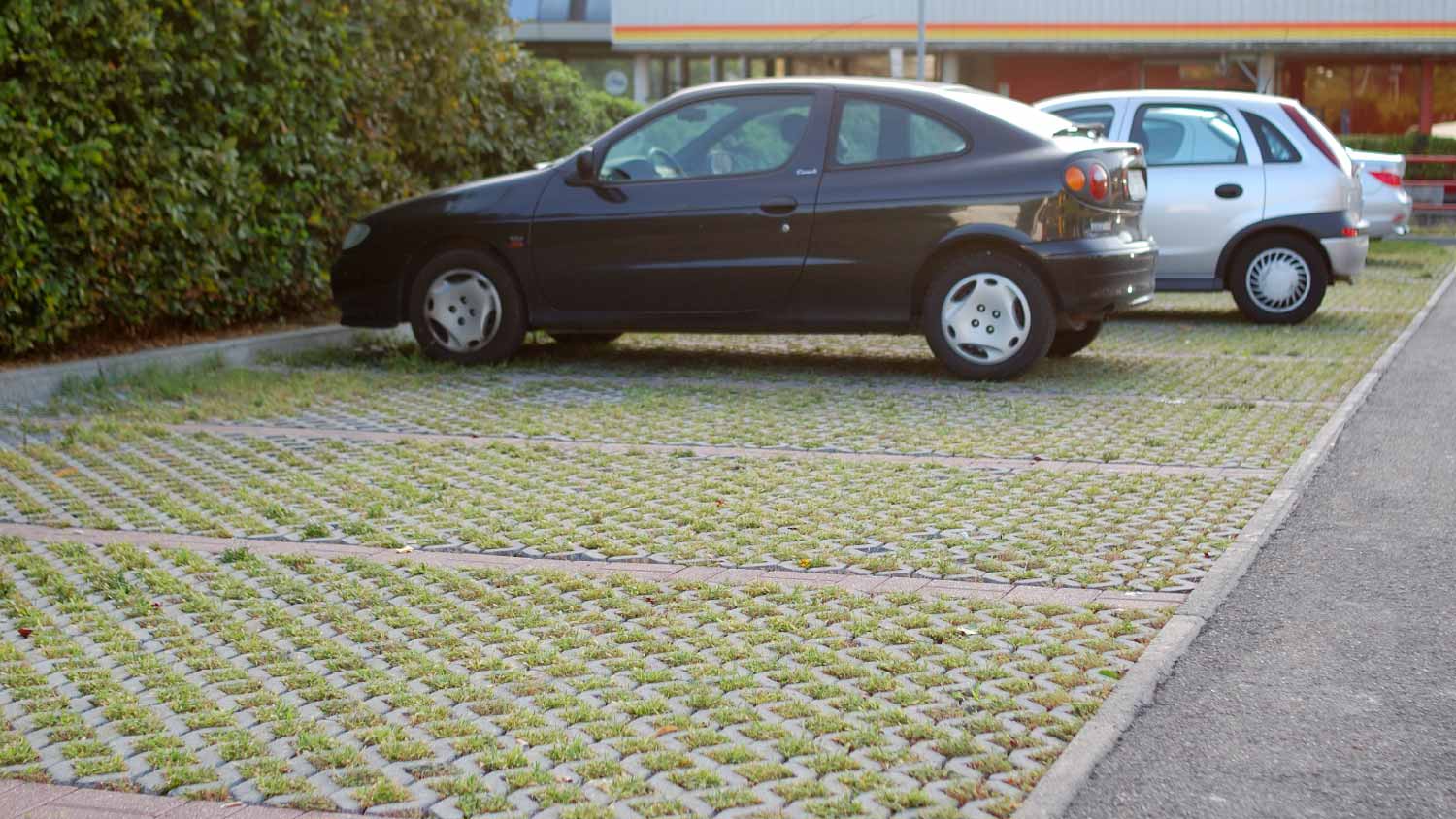
The answer to whether or not you need to get a permit before you start your driveway can vary widely based on local ordinances and the scope of your driveway ideas. In most urban and suburban areas, a permit is needed before building a new driveway to ensure that a homeowner is using safe materials and proper drainage practices while designing and constructing a new driveway. In some rural areas, a homeowner may not be required to apply for a permit. When building a new driveway on your own, always check with your local building department to see if you need to request a permit. When hiring a driveway contractor, verify that the right permits are being used before driveway construction begins.

In most cases, you don’t need a permit to repave your driveway, although some exceptions exist. If you’re widening your driveway and plan on widening the apron as well, you’ll usually need a permit from the Department of Transportation in your area. This permit costs between $50 and $300 in most cases. Most municipalities will also require a certified and insured contractor do the work relating to the apron and curb cut. You can contact your building department or ask your paving company if you need a permit. Your driveway professional will usually pull the permit for you.

The material that’s best for your private road depends on your property, the climate in your area, and your personal preferences. Gravel is an affordable option, but some homeowners don’t like how it looks. It can be a pain to remove snow from, and it requires more ongoing maintenance than asphalt or concrete. However, while these other options require less maintenance and make snow removal a breeze, they’re more expensive and will need repairs from time to time. Ultimately, you’ll have to choose the road material that suits you and your property best.

Three inches is a great thickness for a residential asphalt driveway that sees minimal to moderate traffic from cars, SUVs, and pickup trucks. However, a thicker driveway can better withstand the weight of a heavier vehicle, such as a trailer or a recreational vehicle. If you drive a heavy vehicle on a thin driveway, you risk cracking and damaging it.

The New Haven, MO homeowners’ guide to paving services

From average costs to expert advice, get all the answers you need to get your job done.