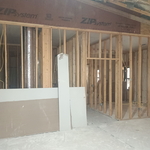







In framing, studs are placed at 16-inch intervals to coincide with the typical spacing of wall materials such as drywall or plywood. This spacing is called "on-center" and is necessary for maintaining structural stability and efficient use of materials. The 16-inch spacing also helps to distribute the weight evenly across the building's structure. For those looking to cut material costs and improve energy efficiency, 24-inch stud spacing can be employed through a method called "advanced framing". This requires careful planning and adherence to local building codes to ensure structural integrity.
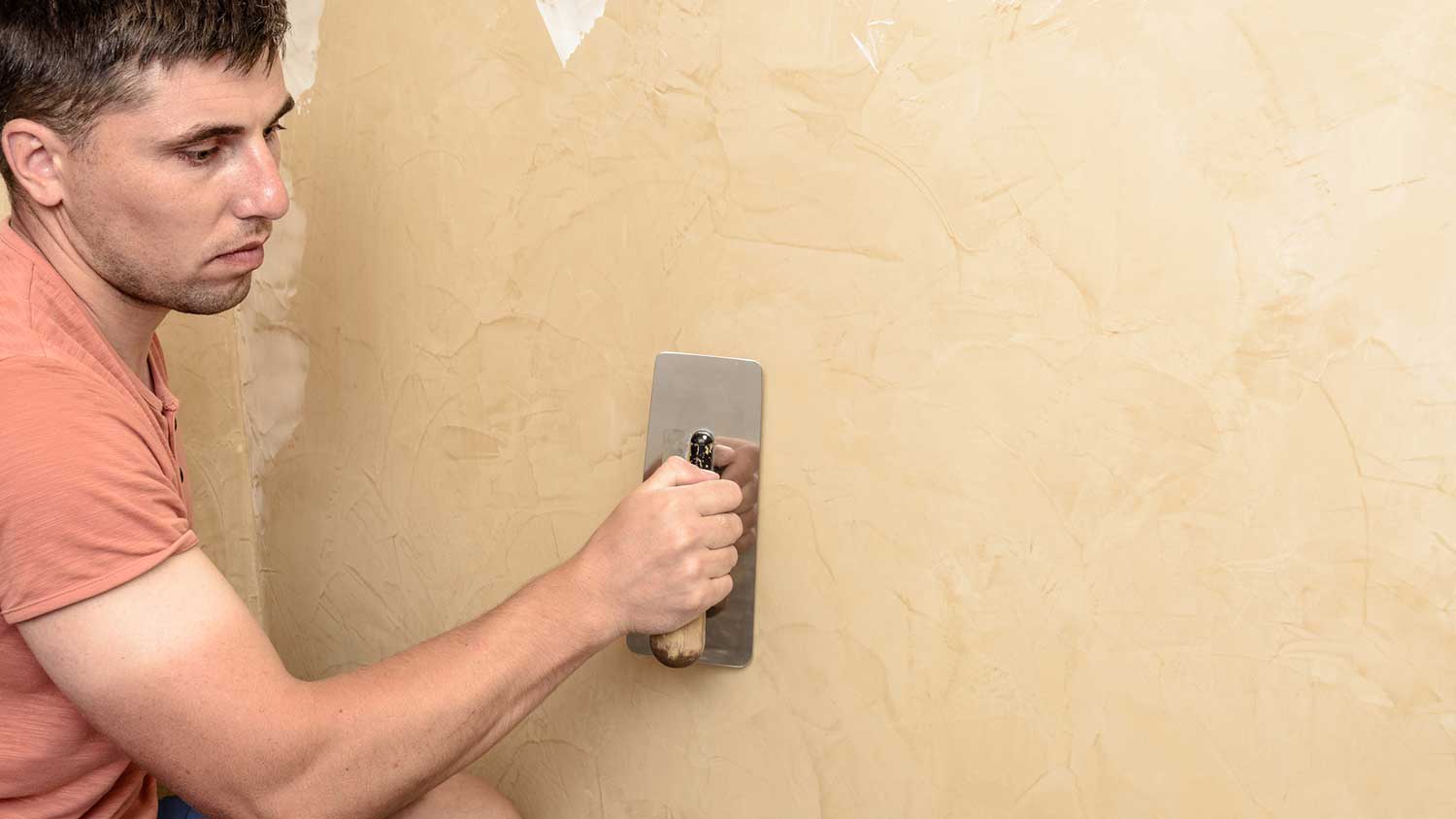
Drying alone can take 1 to 4 hours to dry to the touch per plaster layer, but some types of plaster take several hours longer to dry. However, this doesn’t mean the job is done because plaster doesn’t fully harden until it cures, which can take a few days to a couple of weeks. It may take even longer if you’re building a new, pretty thick plaster wall. Allow the plaster to cure before painting it.
Yes, you can use drywall repair techniques for some types of plaster damage. Tiny holes and small cracks in plaster can be patched in similar ways to drywall. You apply the necessary compound to fill the hole, wait for it to dry, then sand it down. For larger damage, like water damage or mold, you need to use plaster-specific techniques and materials.
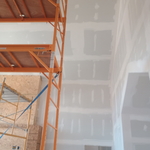
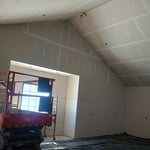
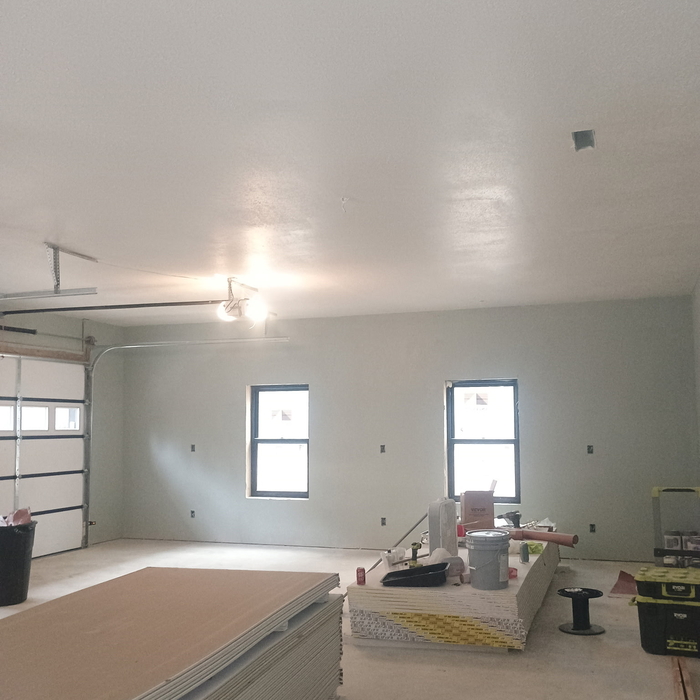
Drywall can be installed directly on ceiling joists. In fact, this method is common in many construction projects. Drywall sheets are attached to the joists using screws, ensuring a secure and stable installation. Before attaching the drywall, it's important to mark the joist locations on the ceiling, allowing for accurate screw placement. Proper spacing between screws and careful taping and mudding of joints are crucial to creating a smooth and flawless ceiling surface. If the joists are in good condition and level, installing drywall directly on them is a practical and efficient approach.
Whether you need drywall anchors depends on your specific project, particularly where you are hanging an item. Drywall anchors are not necessary if you can drive a screw directly into a wooden stud behind the wall, as the stud provides sufficient support. However, since studs are not present everywhere in a wall, you will need to use drywall anchors if you are hanging an object in a location without a stud. For very lightweight items, picture hanging strips can also be a suitable alternative.
The Mountain View, MO homeowners’ guide to drywall services
From average costs to expert advice, get all the answers you need to get your job done.
Installing drywall is the most common way to finish your home’s interior. Use this drywall installation cost guide to see what your project is likely to cost.
Drywall texture can create an attractive finish and add dimension to your home’s walls. This guide breaks down the factors that influence the cost to texture drywall.
Not sure whether to install Trusscore’s PVC panels or drywall? Comparing the costs can help. Let’s take a look at the typical Trusscore versus drywall costs.
Drywall installation is a tricky job that typically requires a pro. This guide will tell you who installs drywall and the benefits of different contractors.