




Top-rated excavation pros.

Get matched with top excavation pros in Marthasville, MO

Enter your zip and get matched with up to 5 pros

Need a pro for your excavation project in Marthasville, MO?

Select your specific project to find the pro for you.

TRUSTED BY MARTHASVILLE, MO HOMEOWNERS

  • Average homeowner rating star icon4.8
    Average homeowner rating
  • Verified reviews icon17
    Verified excavation services reviews

Find Excavation pros in Marthasville

Noble Excavating LLC
4.0(
4
)
Excavation - Major Grading or ReslopingBuilding Site - Preparation and ClearingLandscape - Minor Grading or Resloping

Serving Marthasville, MO and surrounding areas

Approved

In business since 2017

Free estimates

Credit card accepted

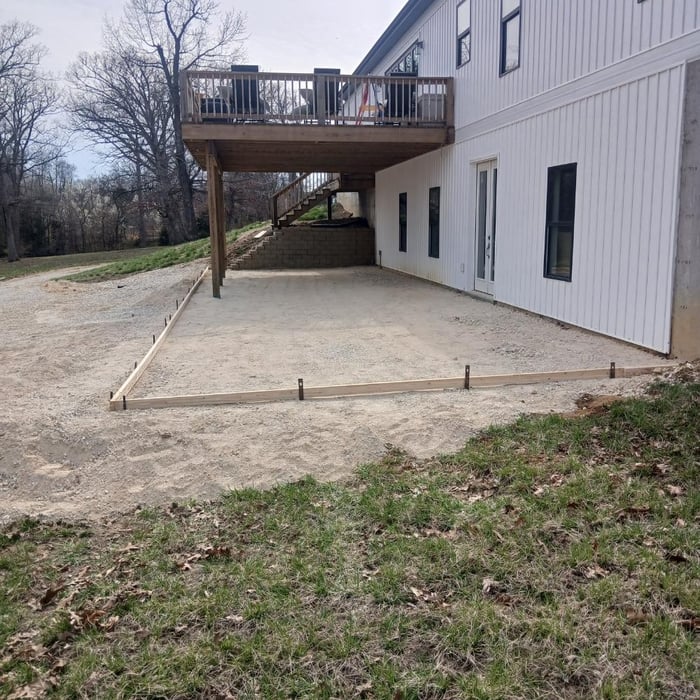
"Performed excavation and regrading of 6acres of property including removal of numerous (more than 50) large trees, thinned out an additional 4 acres of smaller trees and brush, dug a fishing pond, graded and poured RV pads. Nice people with good equipment."
Response time9 hrs
1 neighbors recently requested a quote
Recommended by100%of homeowners
Avatar for Turbo Charged Contracting LLC
Turbo Charged Contracting LLC
5.0(
6
)
Landscape - Minor Grading or Resloping

Serving Marthasville, MO and surrounding areas

Approved

In business since 2025

Free estimates

Warranties offered

"They had to rewire my 101 year old house Very professional knew exactly what needed to be done absolutely great company to work with explained everything they were going to do how long it would take promptly returned any calls or texts and answered any questions we had , I highly recommend them to everyone"
Patio
Patio
Patio
Patio
Patio

+65

2 neighbors recently requested a quote
Avatar for Lampkin Outdoor Services LLC
Lampkin Outdoor Services LLC
5.0(
1
)
Building Site - Preparation and ClearingExcavation - Major Grading or ReslopingLandscape - Minor Grading or Resloping

Serving Marthasville, MO and surrounding areas

Approved

In business since 2023

Free estimates

Emergency services offered

With years of experience serving the area, we are your solution for all your construction needs. We take great pride in our extreme professionalism, timeliness and superior customer service on every job. We make sure to develop a lasting relationship so that the next time service is needed there will be no question on who to call. Check out our 5 star reviews from happy customers! Call us today so we can discuss your needs and make a plan that fits your budget. Satisfaction guaranteed!\n

Spring clean up
Spring clean up
Spring clean up
Spring clean up
Spring clean up

+2

Response time40 mins
Recommended by100%of homeowners
...
Showing 1-10 of 133
Excavating questions, answered by experts

Sewer lines can be buried anywhere from 18 inches to 8 feet deep, with a common average depth between 18 and 30 inches. The exact depth depends on local factors like climate and soil type. In colder regions, pipes must be buried deeper (below the frost line) to prevent freezing, sometimes as deep as 8 feet. The digging depth can also impact the cost of sewer line replacement. To find the specific depth for your property, you can check the building plans for your system, which should be on file with your city or local sanitation department since permits are required for installation.

Professional installers often include a deep layer of crushed gravel under permeable pavers to allow more runoff to soak through into the soil below. Many installations will include multiple layers of gravel, with coarser aggregate at the base and finer aggregate that sits on top of that bottom layer. Above the gravel, you’ll often find coarse sand that helps reduce paver shifting over time. Some permeable paver designs include a water collection system set into the gravel layer to route runoff to a safe area for disposal.

Concrete blocks are the cheapest way to base a shed. However, the space in between allows critters to go under, burrow, and even damage your shed’s frame. For a more pest-proof option, consider building a shed base with gravel or paver stones. Both options are fairly affordable and easy enough for a DIY project. For gravel, you can build a wooden frame to contain the loose material.

Septic drain lines (or leach lines) are typically buried between 18 and 36 inches underground, and should be at least 6 inches below the surface. These pipes are perforated and surrounded by filtering materials like sand or gravel. Burying the lines at this depth helps minimize odors and allows bacteria and other biological processes in the soil to effectively treat the wastewater. Burying lines too close to the surface can cause issues unless the soil is very compact and stable.

To drill a shallow well, you may be able to use a drive well point. This is a tapered point that is driven into the ground. A drill bit at the end of PVC pipe may be another option to consider. A lot of the cost depends on what tools are available near you.

The Marthasville, MO homeowners’ guide to excavation services

From average costs to expert advice, get all the answers you need to get your job done.