



Top-rated asphalt driveway pros.

Get matched with top asphalt driveway pros in Marthasville, MO

Enter your zip and get matched with up to 5 pros

Need a pro for your asphalt driveway service project in Marthasville, MO?

Select your specific project to find the pro for you.

Find Asphalt driveway pros in Marthasville

Avatar for Premier Grade, LLC
Premier Grade, LLC
5.0(
6
)
Concrete Driveways - Install

Serving Marthasville, MO and surrounding areas

Approved

In business since 2023

Free estimates

Credit card accepted

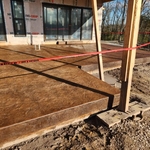
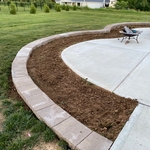
"Very professional, responsive and affordable company to work with. Showed up for no charge bid within a few days of our initial contact. Promptly returned phone calls and respectfully answered all my novice questions pertaining to the project. Did an excellent job matching an existing colored & stamped patio. Completed the job on time and on budget. Did a great job cleaning up the work site when finished. Recommend hiring these guys for any and all concrete projects!"
Picture #7
Picture #6
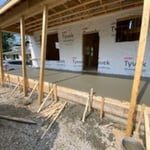
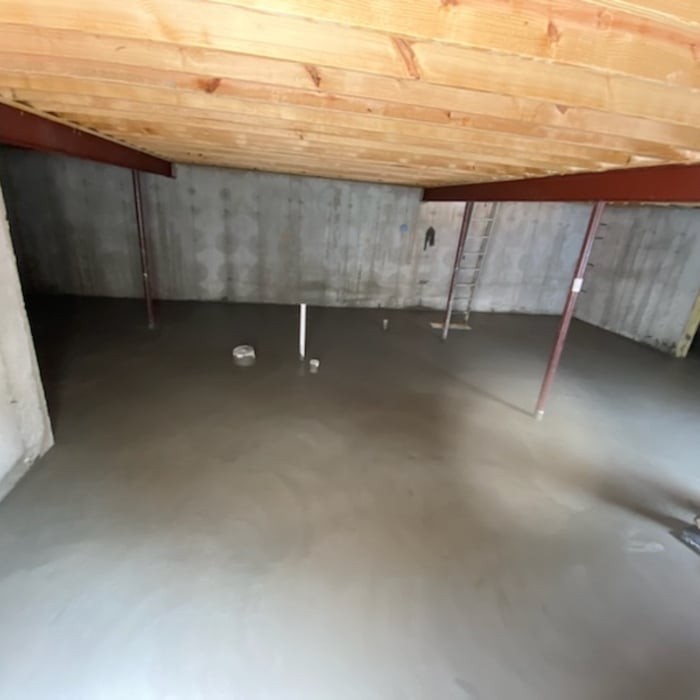
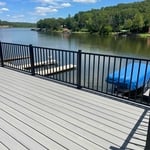
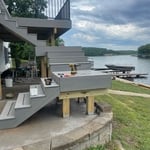
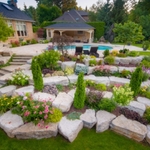
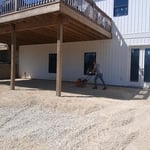
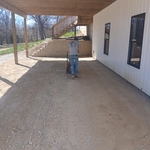
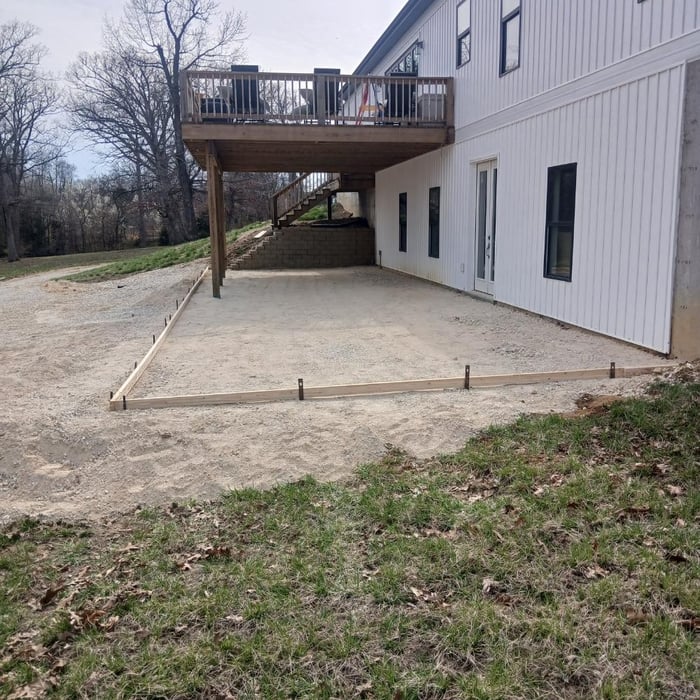
Pictures of my work
Pictures of my work
Picture #3

+19

Response time10 hrs
Response rate87%
3 neighbors recently requested a quote
...
Showing 1-10 of 134
Asphalt Driveways questions, answered by experts

Driveways should be sloped with a minimum 2% slope—anything lower will cause precipitation and runoff to collect. A 2% slope is the equivalent of a 2-foot rise over 100 feet. One quick way to check the integrity of your driveway’s slope: no more than four inches of water should collect on the surface longer than 15 minutes after rain.

You should contact your driveway installer before winterizing a newly installed driveway. Winterizing it before the asphalt or concrete has fully cured can damage the driveway. But in many cases, you don't need to winterize a newly installed driveway anyway since it's likely freshly sealed and won't have much damage yet. 

In the United States, roads are usually categorized as one of three types: public roads, other drivable roads, and non-drivable roads. These categories dictate how a road can be used; a non-drivable road might be classified that way because it is heavily damaged and unsafe for cars.

While blacktop is a type of asphalt, the terms should not be used interchangeably, as not all asphalt qualifies as blacktop. The primary differences are in their composition, production process, and ideal applications. Blacktop contains more stone than other types of asphalt and is heated to a higher temperature during production—300°F or more—while hot-mix asphalt is heated to between 275°F and 300°F. The ratio of bitumen (a tar-like crude oil) is a key differentiator, though sources vary: some state blacktop has less bitumen, making it less durable, while others claim it has a higher ratio. Due to these differences, asphalt is generally more durable and better for high-traffic areas like highways and streets, while blacktop is more suitable for playgrounds and residential driveways. For a driveway project, it is best to consult a professional to determine the most appropriate material.

New asphalt typically needs 24 to 72 hours to dry before it can handle light foot traffic and careful driving. Although it may appear solid after a few days, the full curing process, where the asphalt reaches its peak strength, takes much longer—generally from 30 days to a year.

During this extended curing time, the surface remains relatively soft and can be damaged by heavy vehicles, sharp objects, or high temperatures. To protect your investment, it's best to avoid parking heavy machinery on the asphalt until it has fully cured.

The exact time required for drying and curing depends on several factors, including the weather, the specific asphalt mix, and its thickness. For the most accurate advice tailored to your situation, consult with your asphalt contractor.

The Marthasville, MO homeowners’ guide to asphalt driveway services

From average costs to expert advice, get all the answers you need to get your job done.