



Top-rated lawn care providers.

Get matched with top lawn care providers in Jackson, MO

Enter your zip and get matched with up to 5 pros

Need a pro for your lawn service project in Jackson, MO?

Select your specific project to find the pro for you.

TRUSTED BY JACKSON, MO HOMEOWNERS

  • Average homeowner rating star icon4.6
    Average homeowner rating
  • Verified reviews icon59
    Verified lawn services reviews

Find Lawn care providers in Jackson

Avatar for TruGreen
TruGreen
3.1(
2,962
)
Lawn Care - Aerate a LawnLawn Care - Fertilize or Treat a Lawn

Serving Jackson, MO and surrounding areas

Approved

In business since 1974

Free estimates

Warranties offered

"I think they treated the wrong lawn. The note they sent me via text message referenced trees and shrubs in my yard, I have none. They also did not leave a yard marker showing they had been there. Otherwise, this would have been a 5 star review."
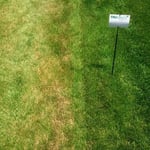
TruGreen Treated vs Non-Treated
Enjoy Your Lawn at it's Fullest Potential
TruGreen Treated vs Non-Treated
TruGreen Lawn
TruGreen Healthy Lawn Analysis

+4

Recommended by76%of homeowners
JP & BS Lawncare LLC
5.0(
11
)
Lawn & Yard Waste Clean UpLawn Care - Fall / Spring Clean Up - For BusinessLawn Care - Maintain and Mow a Lawn+1 more

Serving Jackson, MO and surrounding areas

In business since 2022

Free estimates

Offers commercial services

"Very conscientious, and professional. Fast response time and courteous. Quality work at a fair price. Thankful for this company !!! Note: regarding pricing, we only have one tree and no other plants in our yard. The rest is grass."
Response time11 hrs
Response rate100%
Recommended by100%of homeowners
...
Showing 1-10 of 95
Lawns questions, answered by experts

Yes, it's perfectly safe and environmentally sound to mulch leaves with a lawn mower, provided that the layer of leaves isn't too thick and the leaves are dry and crispy. Too many wet leaves get sticky and will clog the mower. Thick layers of leaves can suffocate the lawn after the leaves have been mulched, so the layer should be no more than six inches thick.

It can be bad to leave a dead stump in the ground. A stump becomes a hefty piece of dead wood in time and eventually (especially with the help of rain) starts to rot. That makes it a locus point for diseases and pesky insects, as well as a bit of an eyesore. It’s best to remove a tree stump completely before it starts to decay, especially before it starts to fall apart. If the tree was removed because of disease, it’s even more important to fully remove the stump if possible.

Clearing land can be incredibly challenging, depending on various factors like the size of the area, the density of vegetation, and the presence of obstacles, such as rocks or stumps. Handling smaller vegetation and brush might be manageable with the right tools and preparation. However, tasks like removing larger trees or dealing with extensive overgrowth may require specialized equipment, expertise, and safety precautions.

Dead trees are dangerous for several reasons. They are structurally compromised and prone to branch or trunk failure, which can pose a significant safety risk to people, vehicles, and nearby structures. Dead trees can also harbor pests like termites, which may spread to other trees or your home. If a tree died from a disease, it could spread the illness to healthy trees. Additionally, the dry wood is highly flammable, increasing fire risk.

Generally, it is not necessary to remove old mulch before applying a new layer. As organic mulch breaks down, it enriches the soil with nutrients. However, you should remove the old layer if it shows signs of fungus or disease, which can be common in moist areas, or if the total depth is already too thick. Avoid letting the total mulch depth exceed 3 inches, as this can harm plant roots. If you do remove old, disease-free mulch, it can be added to a compost pile.

The Jackson, MO homeowners’ guide to lawn services

From average costs to expert advice, get all the answers you need to get your job done.