





Top-rated structural engineers.

Get matched with top structural engineers in Ironton, MO

Enter your zip and get matched with up to 5 pros

Need a pro for your structural engineering project in Ironton, MO?

Select your specific project to find the pro for you.
Structural Engineering questions, answered by experts

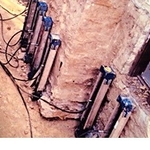
If your home's foundation was damaged due to shifting soil, the same problem will reoccur unless you stabilize the structure by adding posts in the bedrock.

A structural engineer evaluates any structural components, like floors, foundations, walls, and roofs, to ensure they can support the structure. They also consider the soil quality in your area, potentially extreme weather conditions, and proximity to bodies of water and groundwater to ensure your building can withstand any stresses placed on it by the surrounding environment. Structural engineers work on both new and existing buildings.

Building codes for spiral staircases will vary by your location. Most local codes will specify minimum tread width, riser height, handrail requirements, and headroom. These standards help ensure safety and accessibility for all users. Always check local codes before you begin the installation to ensure compliance and avoid costly modifications or fines.

Most structural engineers offer free quotes, regardless of the size of the job. For simple inspections when buying or selling a home, engineers typically charge a flat fee that may be based solely on your home’s foundation type and square footage. For larger projects, like new construction and major home renovations, an engineer will either perform an analysis of your project and site and provide you with a formal estimate, or they will do a more in-depth assessment and in-person site inspection before coming up with a per-hour or per-project cost estimate. In most cases, the estimate is free.

No, squeaky floors do not always mean there is structural damage. The noise is often caused by friction from issues like loose floorboards, gaps between the subfloor and joists, or loose subflooring. While many squeaks are harmless, persistent or worsening noise could indicate a more severe problem. If you notice other signs of structural damage—such as soft or sagging floors, cracks running from the wall to the ceiling, or horizontal cracks in your foundation—it's best to have a professional inspect your floor to determine the root cause.