





Top-rated electricians.

Get matched with top electricians in Huntsville, MO

Enter your zip and get matched with up to 5 pros

Need a pro for your electrical service project in Huntsville, MO?

Select your specific project to find the pro for you.

TRUSTED BY HUNTSVILLE, MO HOMEOWNERS

  • Average homeowner rating star icon3.9
    Average homeowner rating
  • Verified reviews icon28
    Verified electrical services reviews

Find Electricians in Huntsville

...
Showing 1-10 of 53
Electrical questions, answered by experts

Amps describe the amount of energy that can flow through a circuit breaker. Every electrical device that’s attached to the breaker requires about 1.5 amps. While that equates to roughly 13 receptacles per 20 amps, using slightly fewer ensures that your circuit will always have enough energy for sudden power surges instead of tripping when one occurs. In general, 10 to 12 receptacles is recommended for a 20 amp circuit.

Different types of light switches include single-pole switches (the standard switch in your home), double-pole switches, toggle switches, three-way switches, four-way switches, dimmer switches, and more. 

A single-pole light switch controls the power to a single device, whereas two-way, three-way, and four-way light switches control lights from different locations, increasing the number of connections in the home.

No. Do not use a 14-gauge wire on a 20-amp outlet. A certified licensed electrician would know that the National Electrical Code (as per Section 240.4(D) subsection 3) requires 14-gauge wires to be used with a maximum amplitude of 15. Therefore, you should only use 12-gauge wires on 20-amp outlets.

Rewiring projects cost anywhere between $1,500 and $10,000 on average, depending on the complexity and the size of the rewiring. You can anticipate spending between $2 and $4 per square foot of wire, including labor and materials. Wire material ranges from $0.25 to $1.60 per linear foot.
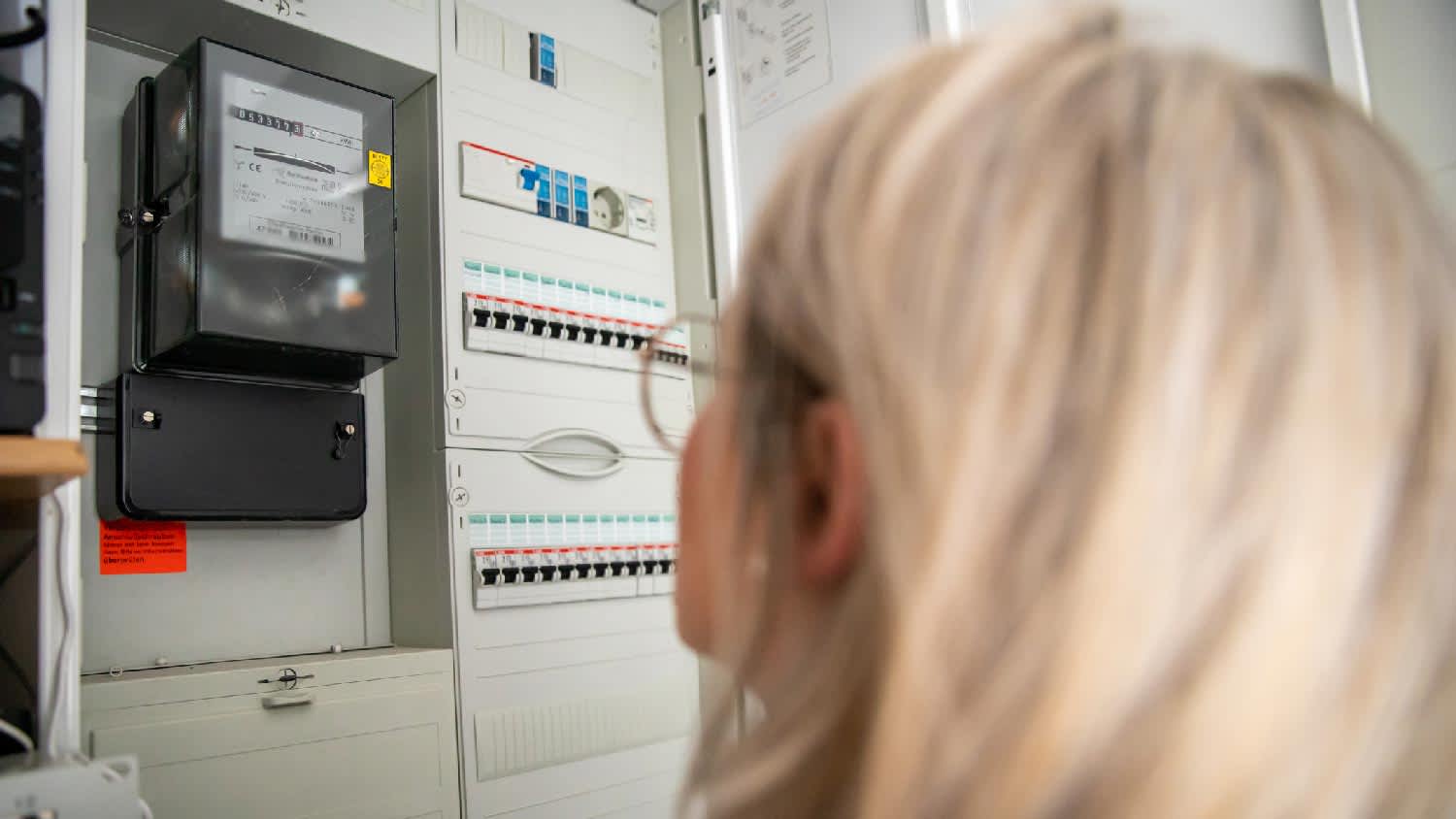
If you have a tank-type electric water heater, it runs regularly to keep the water at the desired temperature. If you live in a home where you don’t use much hot water, it could seem wasteful to run power to heat water that you’re using infrequently. You could save some power by using a smaller tank, insulating the tank, or lowering the temperature of the water heater.

The Huntsville, MO homeowners’ guide to electrical services

From average costs to expert advice, get all the answers you need to get your job done.