

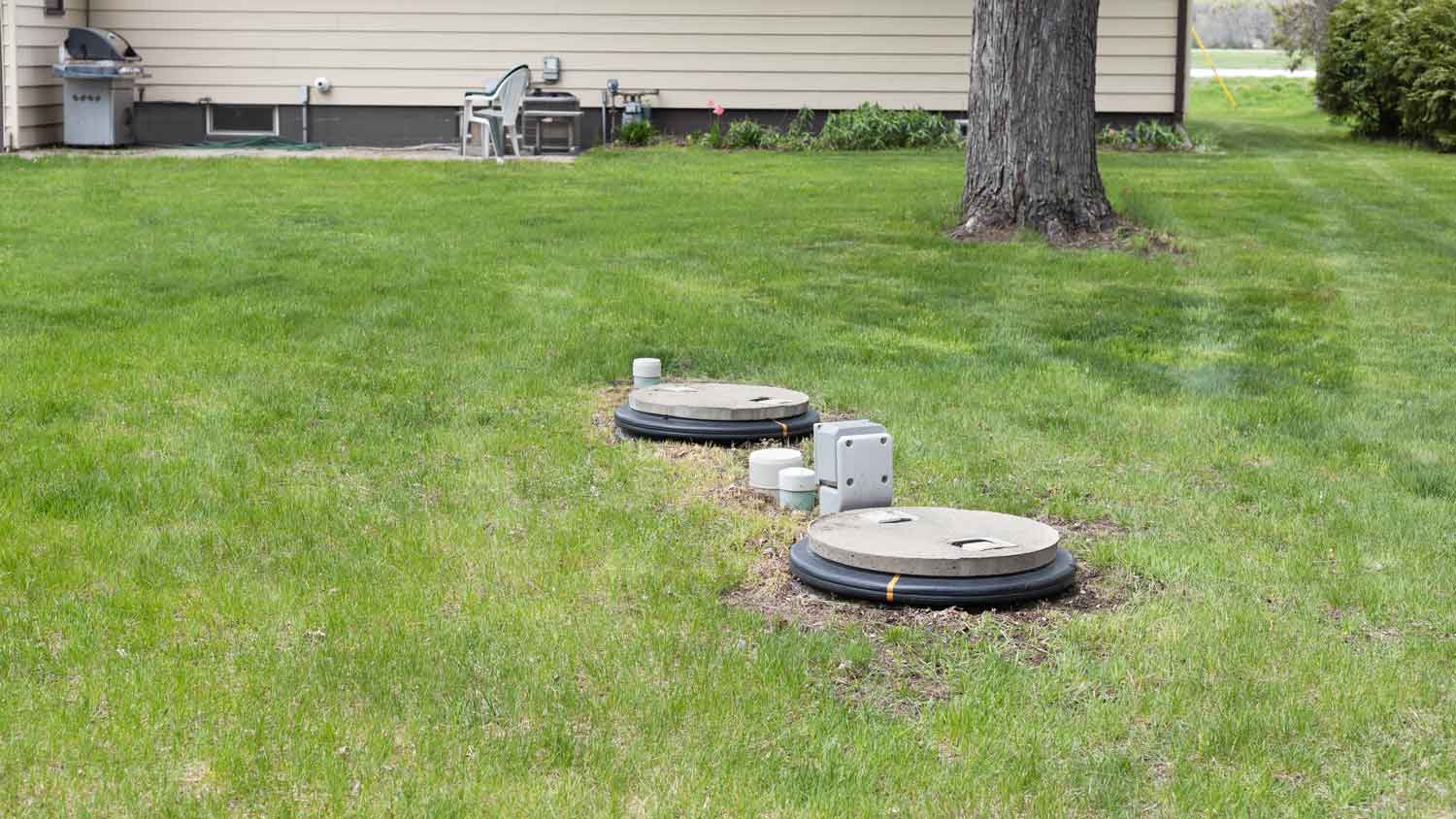
Most building projects and septic installations require soil testing to ensure proper drainage. Learn how much a perc test costs and what affects costs.

 4.5
 44
*The Angi rating for Percolation Testing companies in Hartville, MO is a rating based on verified reviews from our community of homeowners who have used these pros to meet their Percolation Testing needs.
*The HomeAdvisor rating for Percolation Testing companies in Hartville, MO is a rating based on verified reviews from our community of homeowners who have used these pros to meet their Percolation Testing needs.
Last update on February 11, 2025
From average costs to expert advice, get all the answers you need to get your job done.
Most building projects and septic installations require soil testing to ensure proper drainage. Learn how much a perc test costs and what affects costs.

Find out how much a soil test costs and what you get for your money with our expert guide. Know what to budget for different types of soil tests.
Planning a new septic system? Learn about perc testing costs, soil drainage requirements, and how to hire the right local pro for your property.

A perc test for septic analyzes the absorption rate of the soil where a tank is going to be installed. Learn more about the test, cost, and passing grades.

Learn how to test a septic drain field to ensure it’s functioning properly before encountering costly issues.

Not sure about the best time to do a perc test? Learn about factors that affect results and test costs to choose the ideal timing for your project.