





Top-rated biohazard remediation specialists.

Get matched with top biohazard remediation specialists in Fulton, MO

Enter your zip and get matched with up to 5 pros

Need a pro for your biohazard remediation project in Fulton, MO?

Select your specific project to find the pro for you.

Find Biohazard remediation specialists in Fulton

Avatar for Moldman Central MO
Moldman Central MO
4.8(
12
)
Toxicity and Mold - RemovalMold & Toxic Material TestMold & Toxic Material Test - For Business

Serving Fulton, MO and surrounding areas

Approved

In business since 2020

Free estimates

Emergency services offered

"Very knowledgeable about the entire process. I would highly recommend them to everyone. They preformed there test and then scheduled a time for the removal process. They were very informative along the way. A+++++ all the way."
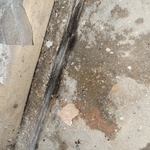
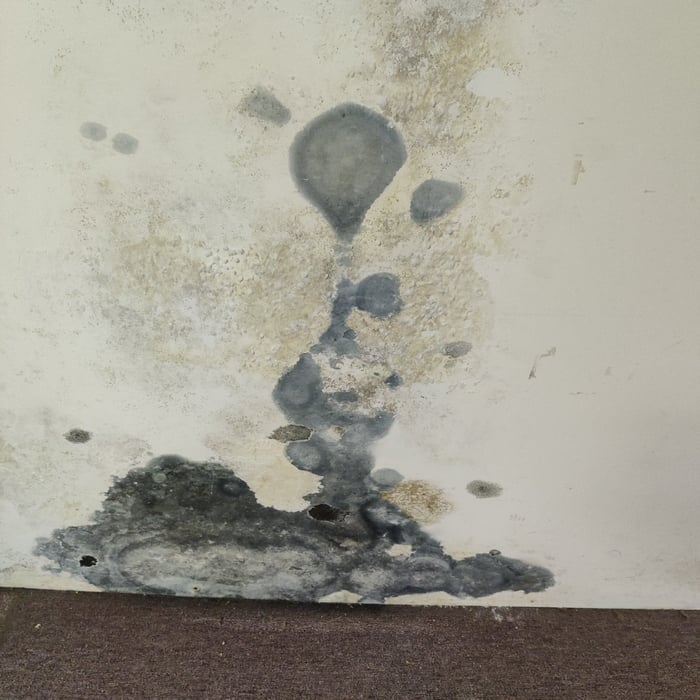
Mold on Concrete
Mold on Concrete
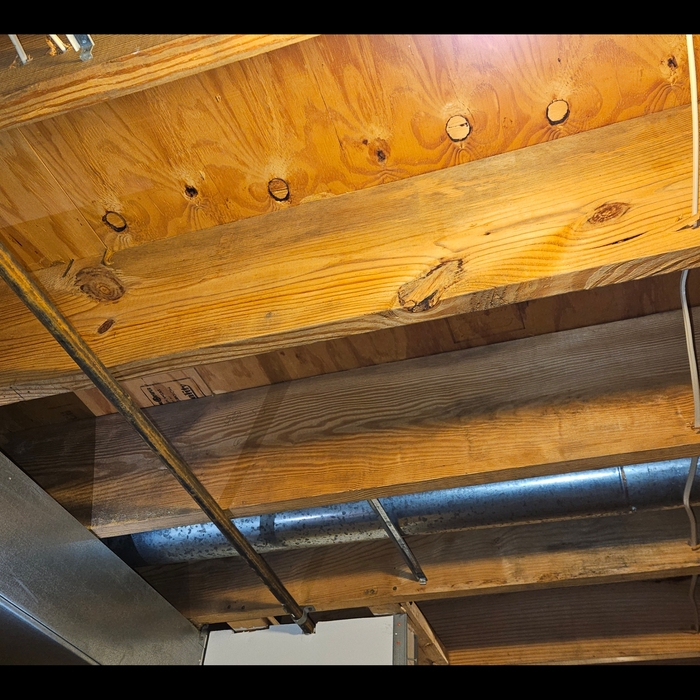
Attic After Mold Remediation
Basement Floor Joists with Mold

+11

Response time1 day
Response rate87%
8 neighbors recently requested a quote
Avatar for Moving APT - Long Distance Movers
Moving APT - Long Distance Movers
4.5(
282
)
Hazardous Waste Removal

Serving Fulton, MO and surrounding areas

In business since 1999

Free estimates

Credit card accepted

"I used Moving APT for our relocation to Tampa and they did a very good job both on pick up and drop off. They handled everything with care and absolutely nothing was broken or scratched. I would recommend them."
Additional Photos
Additional Photos
Additional Photos
Recommended by88%of homeowners
Showing 1-10 of 25
Biohazard Remediation questions, answered by experts

Although fiberglass dust is generally not considered toxic, inhaling excessive amounts of it can lead to health risks. Irritation to the respiratory system, eyes, and skin are common effects of fiberglass particle inhalation. While short-term exposure to the dust may only cause temporary discomfort, long-term or chronic exposure can lead to more severe respiratory problems.

Proper safety measures, such as wearing appropriate protective equipment, including masks and goggles, should be observed when handling or working with fiberglass materials to minimize health risks. It is important to note that, unlike asbestos, fiberglass is not associated with life-threatening illnesses.

Using bowls of water for humidity can be an effective way to increase the humidity level in a room, but it's essential to consider potential risks. Placing bowls of water near heat sources might pose a hazard as they could spill, causing damage or creating slip hazards. Moreover, stagnant water can become a breeding ground for bacteria or mold (you really want to get rid of black mold stat) if not changed regularly, potentially negatively affecting indoor air quality. Water bowls can also accidentally spill onto surfaces, causing water damage to furniture or flooring. Regular maintenance and cautious placement can mitigate these risks.

Black mold and wood rot are both types of fungi that thrive in damp areas, but they are distinct issues with different consequences. Wood rot specifically refers to the decay of wood caused by fungi, which compromises the wood's structural integrity. Black mold, on the other hand, is a fungus that grows on the surface of materials, including both rotting and non-rotting wood. The primary difference is their impact: wood rot affects the wood's structure, while toxic black mold is a health hazard. Inhaling black mold spores can cause severe respiratory issues, whereas wood rot spores are generally not harmful to people. Because mold can grow on rotting wood, the two issues can be interconnected, but they are not the same.

Mildew starts as a tiny spot, but if left untreated, it can severely damage your home as well as cause life-threatening health issues. Mildew eats away materials like wood and drywall and if left untreated can destroy entire walls and buildings. Mold sickness is almost a guarantee if you don’t tackle this problem as soon as it rears its head.

Popcorn ceilings have fallen out of popularity due to their outdated appearance, difficult maintenance, and potential health risks. Ceilings installed before the 1990s may contain asbestos, which poses a serious health hazard if disturbed. As design trends have shifted towards sleeker, more modern finishes, many homeowners now favor smoother ceilings that offer a cleaner look and easier upkeep.

However, popcorn ceilings do offer some benefits, such as acoustic dampening and the ability to hide imperfections. Some people also appreciate their retro charm or find them to be a cost-effective option. Ultimately, whether a popcorn ceiling is 'bad' depends on personal preference, safety concerns, and the overall aesthetic of the home.

The Fulton, MO homeowners’ guide to biohazard remediation services

From average costs to expert advice, get all the answers you need to get your job done.