



Top-rated asphalt driveway pros.

Get matched with top asphalt driveway pros in Freeburg, MO

Enter your zip and get matched with up to 5 pros

Need a pro for your asphalt driveway service project in Freeburg, MO?

Select your specific project to find the pro for you.

Find Asphalt driveway pros in Freeburg

Avatar for Hutto Concrete and Land Specialties
Hutto Concrete and Land Specialties
5.0(
5
)
Concrete Driveways & Floors - Install- For BusinessConcrete Driveways - Install

Serving Freeburg, MO and surrounding areas

In business since 2021

Free estimates

Offers commercial services

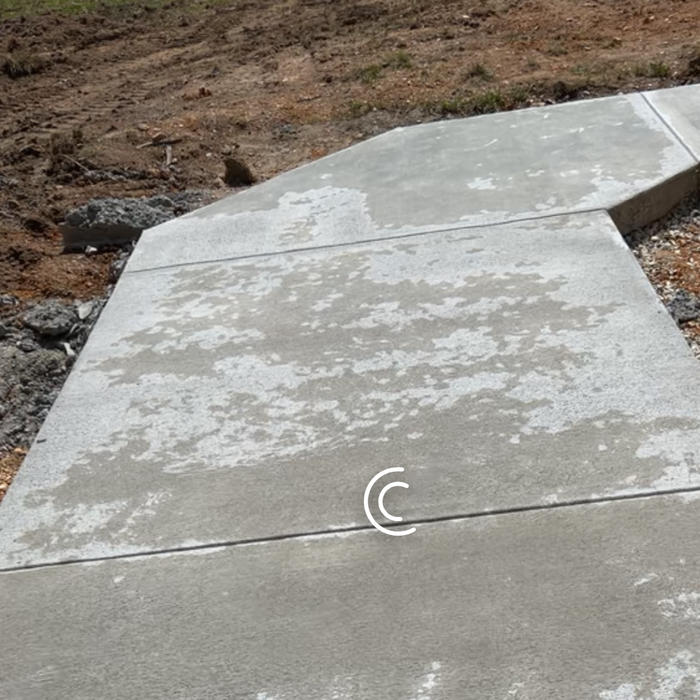
"Levi was very responsive to my questions and listened to what I wanted done. He understood the design idea I had for my patios and exceeded my expectations! He was prompt and completed my project quicker than he expected too. I would recommend him to anyone looking for concrete services."
Additional Photos
Additional Photos
Additional Photos
Additional Photos
Additional Photos

+5

Response time3 days
Response rate100%
Recommended by100%of homeowners
...
Showing 1-10 of 68
Asphalt Driveways questions, answered by experts

To maintain their strength, asphalt driveways and parking lots need to be sealcoated once every two to five years. You may also need to reapply paint striping every few years as it fades to ensure drivers can safely navigate the parking lot.

Several materials are suitable for steep driveways. Gravel and crushed stone are affordable options that provide good traction. Permeable pavers—such as plastic, rubber, or concrete—filled with gravel or crushed stones are also excellent, as they allow water to drain without causing erosion and perform well in ice and snow. Another option is resin, which can be coated with an anti-slip finish and helps prevent puddles. For added stability, you can install a retaining wall to prevent pavers and gravel from shifting over time.

When asphalt cures, it typically changes from a very dark black hue to a lighter, more matte gray color. Cured asphalt also won’t be tacky or sticky to the touch or emit any odors from the asphalt mix. Additionally, the surface of fully cured asphalt won’t deform under any pressure.

The material that’s best for your private road depends on your property, the climate in your area, and your personal preferences. Gravel is an affordable option, but some homeowners don’t like how it looks. It can be a pain to remove snow from, and it requires more ongoing maintenance than asphalt or concrete. However, while these other options require less maintenance and make snow removal a breeze, they’re more expensive and will need repairs from time to time. Ultimately, you’ll have to choose the road material that suits you and your property best.
New asphalt goes through two stages: drying and curing. Drying typically takes 24 to 72 hours, after which the surface is solid enough for light use like walking or careful driving. While you may be able to park on it after 72 hours, the surface is still soft and should be treated gently. Full curing is a much longer process, taking anywhere from 30 days to a full year for the asphalt to reach maximum strength. During this extended curing period, the asphalt is susceptible to damage from heavy vehicles, sharp objects, and high temperatures. Factors like weather, the specific asphalt mix, and application thickness all influence drying and curing times. For the most accurate timeline and to ensure the longevity of your new asphalt, it is always best to consult with your installation contractor for their specific recommendations.

The Freeburg, MO homeowners’ guide to asphalt driveway services

From average costs to expert advice, get all the answers you need to get your job done.