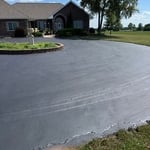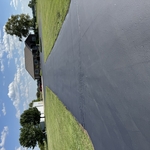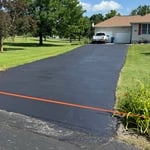



Top-rated asphalt driveway pros.

Best asphalt driveway pros near Deepwater, MO

Enter your zip and get matched with up to 5 pros

Need a pro for your asphalt driveway service project in Deepwater, MO?

Select your specific project to find the pro for you.

Top-Rated Asphalt driveway pros in Deepwater - Updated Nov 2026

...
Showing 1-10 of 54
Asphalt Driveways FAQs, answered by experts

In the United States, roads are usually categorized as one of three types: public roads, other drivable roads, and non-drivable roads. These categories dictate how a road can be used; a non-drivable road might be classified that way because it is heavily damaged and unsafe for cars.

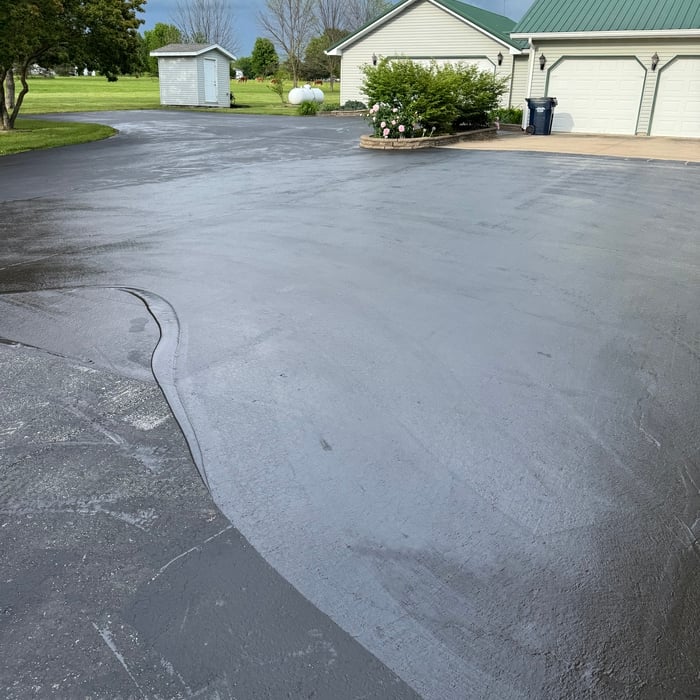
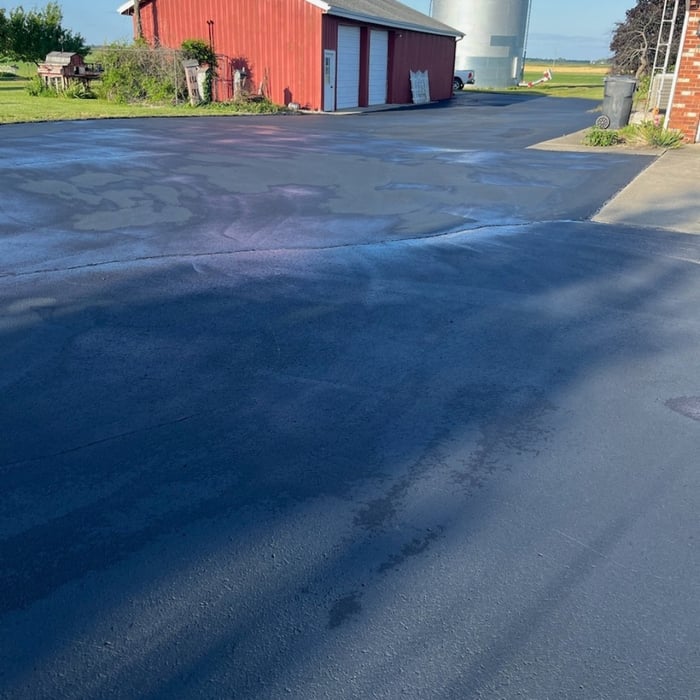
New asphalt goes through two stages: drying and curing. Drying typically takes 24 to 72 hours, after which the surface is solid enough for light use like walking or careful driving. While you may be able to park on it after 72 hours, the surface is still soft and should be treated gently. Full curing is a much longer process, taking anywhere from 30 days to a full year for the asphalt to reach maximum strength. During this extended curing period, the asphalt is susceptible to damage from heavy vehicles, sharp objects, and high temperatures. Factors like weather, the specific asphalt mix, and application thickness all influence drying and curing times. For the most accurate timeline and to ensure the longevity of your new asphalt, it is always best to consult with your installation contractor for their specific recommendations.

The answer to whether or not you need to get a permit before you start your driveway can vary widely based on local ordinances and the scope of your driveway ideas. In most urban and suburban areas, a permit is needed before building a new driveway to ensure that a homeowner is using safe materials and proper drainage practices while designing and constructing a new driveway. In some rural areas, a homeowner may not be required to apply for a permit. When building a new driveway on your own, always check with your local building department to see if you need to request a permit. When hiring a driveway contractor, verify that the right permits are being used before driveway construction begins.

Asphalt dries and cures best between 50 and 85 degrees Fahrenheit. This range allows moisture to evaporate quickly without causing the asphalt to cool too fast, which can negatively affect the drying process. However, keep in mind that other weather conditions can also affect curing and drying times, such as precipitation and humidity.

If you’re looking for a similar, eco-friendly driveway material, you might consider one of these options:

  • Permeable pavement: This material is sometimes called “pervious” or “porous” pavement; it allows stormwater to drain into the subbase, eliminating storm drain costs. 

  • Gravel: Consider paving your driveway with locally sourced gravel. By sourcing from a nearby source, your money won’t fund international shipping and will be invested back into your local community.

  • Natural stone pavers: Because natural stone pavers are made from organically-produced stone, there’s no new manufacturing required, limiting the environmental impact. In addition, water easily flows and drains through the gaps in the pavers.

The Deepwater, MO homeowners’ guide to asphalt driveway services

From average costs to expert advice, get all the answers you need to get your job done.