






Top-rated pressure washers.

Get matched with top pressure washers in Buckner, MO

Enter your zip and get matched with up to 5 pros

Need a pro for your pressure washing project in Buckner, MO?

Select your specific project to find the pro for you.

TRUSTED BY BUCKNER, MO HOMEOWNERS

  • Average homeowner rating star icon4.9
    Average homeowner rating
  • Verified reviews icon77
    Verified pressure washing services reviews

Find Pressure washers in Buckner

Shane's Interior and Exterior Painting
5.0(
10
)
Exterior Surfaces - PowerwashingExterior Surfaces - Powerwashing - For Business

Serving Buckner, MO and surrounding areas

Approved

In business since 2008

Free estimates

Warranties offered

"Shane was so very reasonable with his quote and his work was done so professionally. You could tell he took pride in his work and clean up after he was completed. I would definitely refer anyone I know that is interested in interior or exterior painting. A job well done. Thank you for your referral."
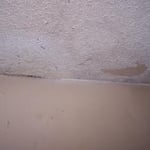
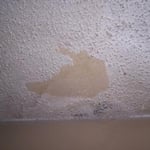
Living room ceiling
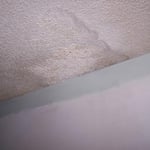
Living room ceiling
Living room ceiling
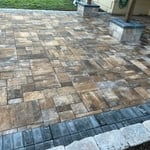
Living room ceiling
Recommended by100%of homeowners
...
Showing 1-10 of 240
Pressure Washing questions, answered by experts

Yes, it is highly recommended to wash a house's exterior before painting to ensure the best results. Cleaning the surface removes dirt, dust, grime, mold, mildew, and old paint, which allows the new paint to adhere properly and results in a smoother, long-lasting finish. Failing to clean can lead to poor adhesion, peeling, and an uneven appearance. Pressure washing is an efficient method for this, but be cautious not to use excessive pressure that could damage siding or wood. For materials like vinyl or stucco, soft washing might be a better option. After washing, allow sufficient drying time, such as three to four days, before painting to prevent trapping moisture, which can cause blistering or peeling.

Yes, you can, but you’ll need to acquire the right pressure washer tips and cleaning solutions for the job. In particular, you’ll need tips that are capable of lowering the pressure from a max of 3,500 PSI to between 150 and 300 PSI. As for the cleaning solution, look for options that are clearly marked for soft washing rather than pressure washing. 

Even at the lowest setting, there’s always a risk that pressure washing might damage your shower or tub. Never use this technique if there’s pre-existing damage in your shower or tub, like peeling caulk, sealant, or cracked tiles. And skip this method entirely if there are any wood features present.

The ideal PSI (pounds per square inch) for a pressure washer depends on the surface you are cleaning. For general home use, a pressure washer with a range of 2,000 to 3,000 PSI is recommended and powerful enough for most residential projects.

The specific PSI you should use varies by task:

  • High-Pressure Tasks (2,500-3,000 PSI): Tough materials like concrete, stone, masonry, and brick can handle higher pressures. This is suitable for removing stubborn stains from driveways or cleaning graffiti.

  • Low-Pressure Tasks (around 600-1,300 PSI): Softer surfaces require a gentler touch to avoid damage. Use a low PSI setting for cleaning wood decks (especially softwoods like pine and cedar), vinyl siding, outdoor furniture, and stucco.

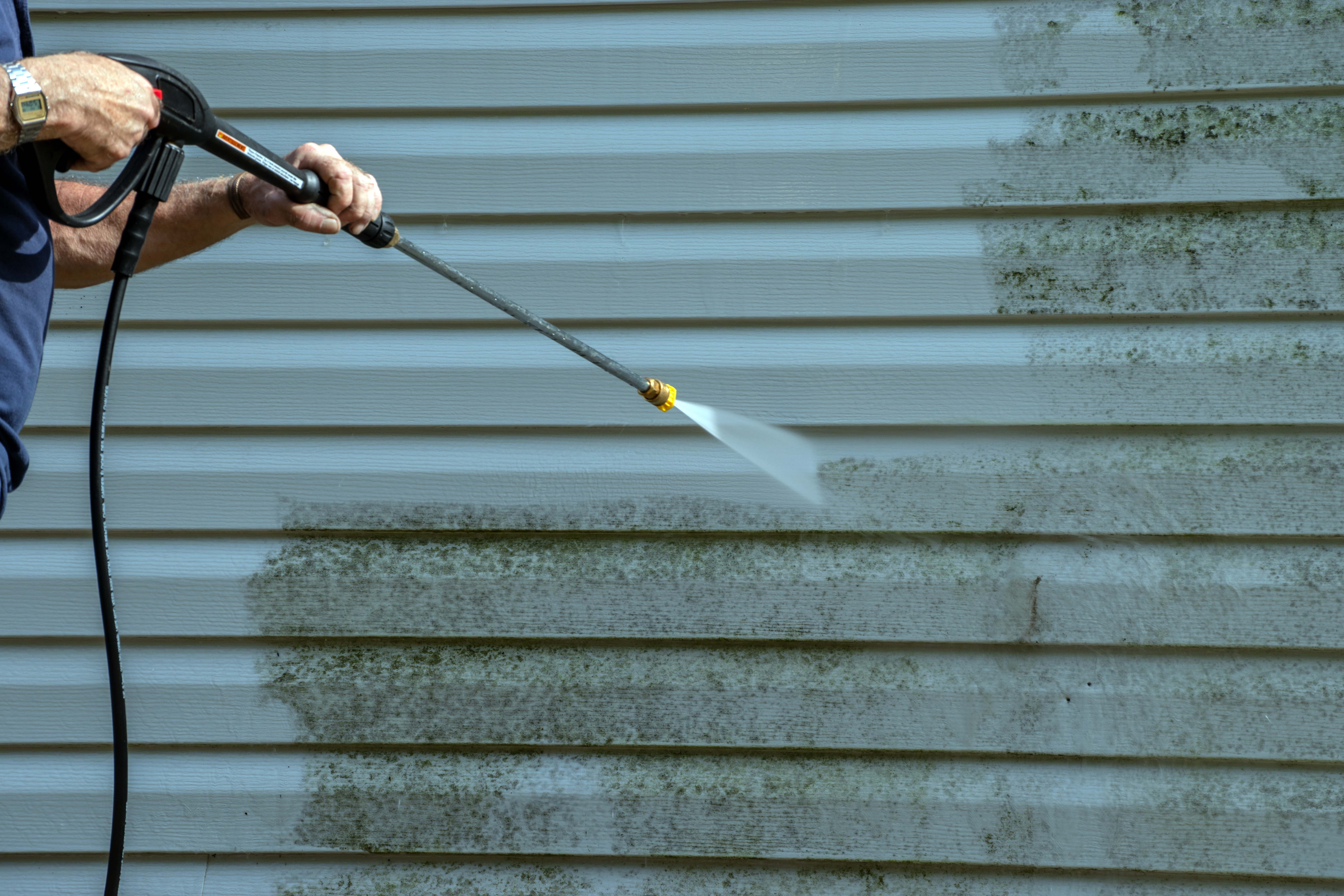
For best results, choose the right nozzle for your surface, such as a 15-degree nozzle for siding or a surface cleaner attachment for driveways. Using an extendable wand can also make the work easier and more ergonomic.

The answer to how often you should pressure wash your house is the same no matter whether your siding is wood, metal, or vinyl. Plan to do a project like this once a year with occasional hand cleanings in between to remove unexpected dirt—like debris from an especially violent storm or droppings from birds flying overhead.

The Buckner, MO homeowners’ guide to pressure washing services

From average costs to expert advice, get all the answers you need to get your job done.