


Oliver Helay
Hazardous Waste Removal
Serving Ava, MO and surrounding areas
Approved
I respond quickly and promptly and am eager to help you get the job done in a professional way.
*The Angi rating for Biohazard Remediation companies in Ava, MO is a rating based on verified reviews from our community of homeowners who have used these pros to meet their Biohazard Remediation needs.
*The HomeAdvisor rating for Biohazard Remediation companies in Ava, MO is a rating based on verified reviews from our community of homeowners who have used these pros to meet their Biohazard Remediation needs.
Last update on August 29, 2026
Serving Ava, MO and surrounding areas
Approved
I respond quickly and promptly and am eager to help you get the job done in a professional way.
Serving Ava, MO and surrounding areas
In business since 2021
Free estimates
"Brain is a professional at installing a radon mitigation fan! He was meticulous! Very thankful we hired him to help us. Radon is dropping!"
Serving Ava, MO and surrounding areas
In business since 1988
Free estimates
Credit card accepted
"Knowledgeable installer. Good communicator. Very professional"

Serving Ava, MO and surrounding areas
In business since 1999
Free estimates
Credit card accepted
"I used Moving APT for our relocation to Tampa and they did a very good job both on pick up and drop off. They handled everything with care and absolutely nothing was broken or scratched. I would recommend them."




Serving Ava, MO and surrounding areas
In business since 1991
Free estimates
Warranties offered
Healthy Homes Start From the Ground Up\n\nAt Crawl Space Medics, we diagnose and treat the hidden issues that threaten your home’s health and stability. Most homeowners ignore the crawl space, but dampness and mold beneath your feet can lead to poor air quality, high energy bills, and structural damage. We provide a permanent "prescription" to keep your home dry and safe.\n\nOur Specializations:\n• Encapsulation: High-grade vapor barriers for a clean, dry foundation.\n• Moisture Control: Dehumidifiers and drainage systems to stop standing water.\n• Structural Repair: Fixing sagging floors with joist reinforcement and jacks.\n• Mold Remediation: Safe removal to protect your family’s respiratory health.\n\nProtect your investment. Contact Crawl Space Medics today for a free inspection!

Serving Ava, MO and surrounding areas
In business since 2017
Emergency services offered
Small jobs welcome
"He was flexible and professional and very nice. Did check our air quality also and it was good."
Serving Ava, MO and surrounding areas
In business since 1995
"Tri-State examined our attic and determined there was no asbestos to remediate. I applaud their integrity and professionalism."

Serving Ava, MO and surrounding areas
Free estimates
Emergency services offered
Warranties offered
"Very willing to work with us and do as requested. Just genuinely kind, heart of the earth, type folk who did excellent work. Fair pricing for sure. Recommend"
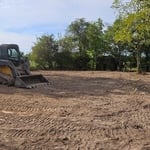
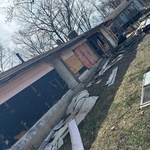
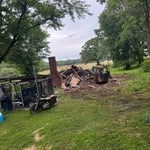
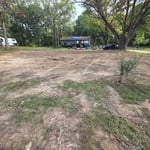
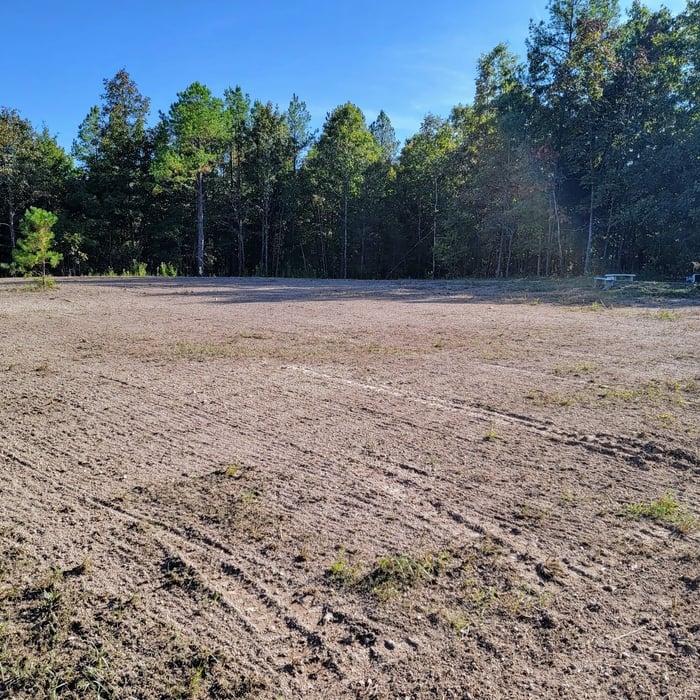
+1
Serving Ava, MO and surrounding areas
In business since 2015
Offers commercial services
"I was very satisfied with the work."
Serving Ava, MO and surrounding areas
In business since 2019
Free estimates
Emergency services offered
Jones Excavating & Construction LLC is your one stop shop for anything and everything that has to do with your property! Call us today!
From average costs to expert advice, get all the answers you need to get your job done.

Need to get rid of lingering smoke odors in your home? Learn how much smoke remediation costs to budget accurately for this major undertaking.
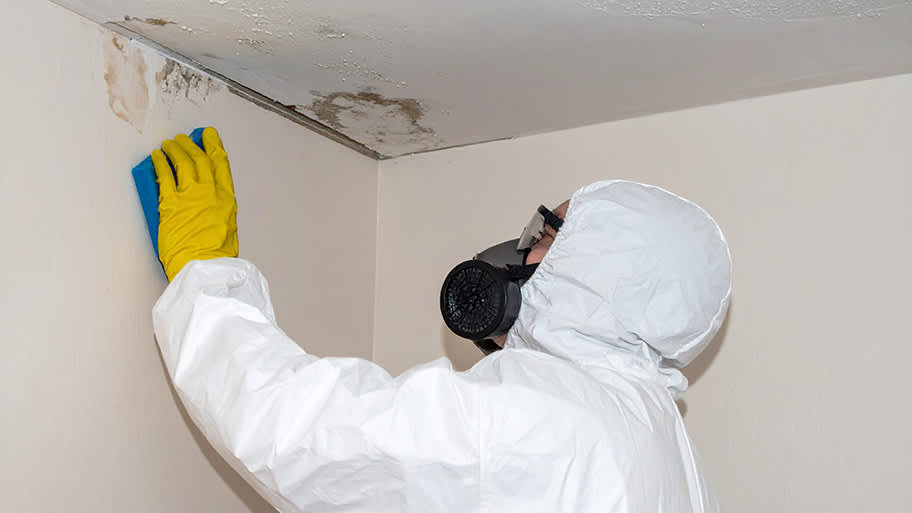
Mold remediation cost can quickly escalate. But if you have mold in your home, the cost for mold remediation is worth it.
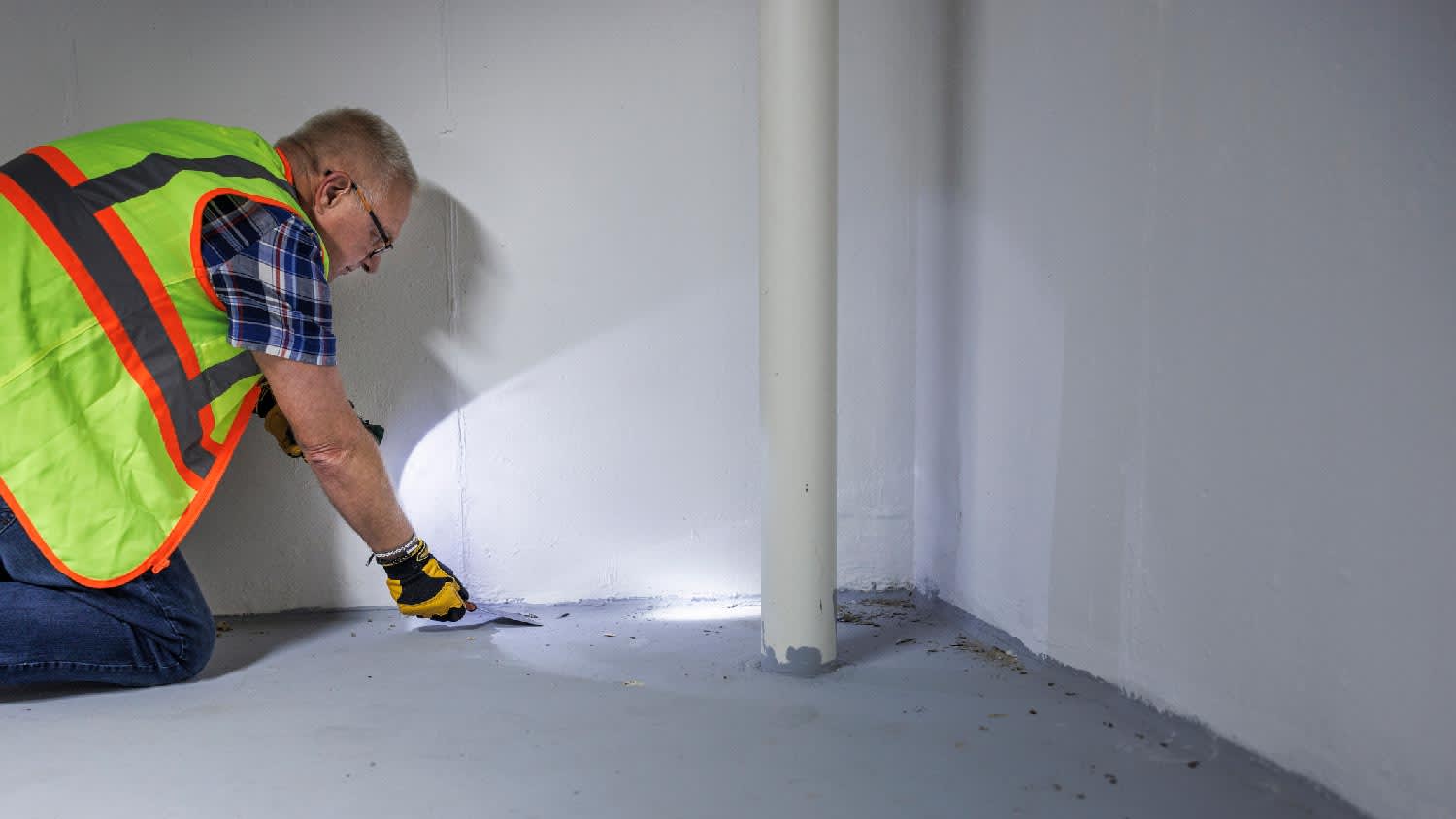
The cost of a mold inspection might seem high, but it’s one of the best investments you can make for your health and home. Read on to learn cost-saving tips.
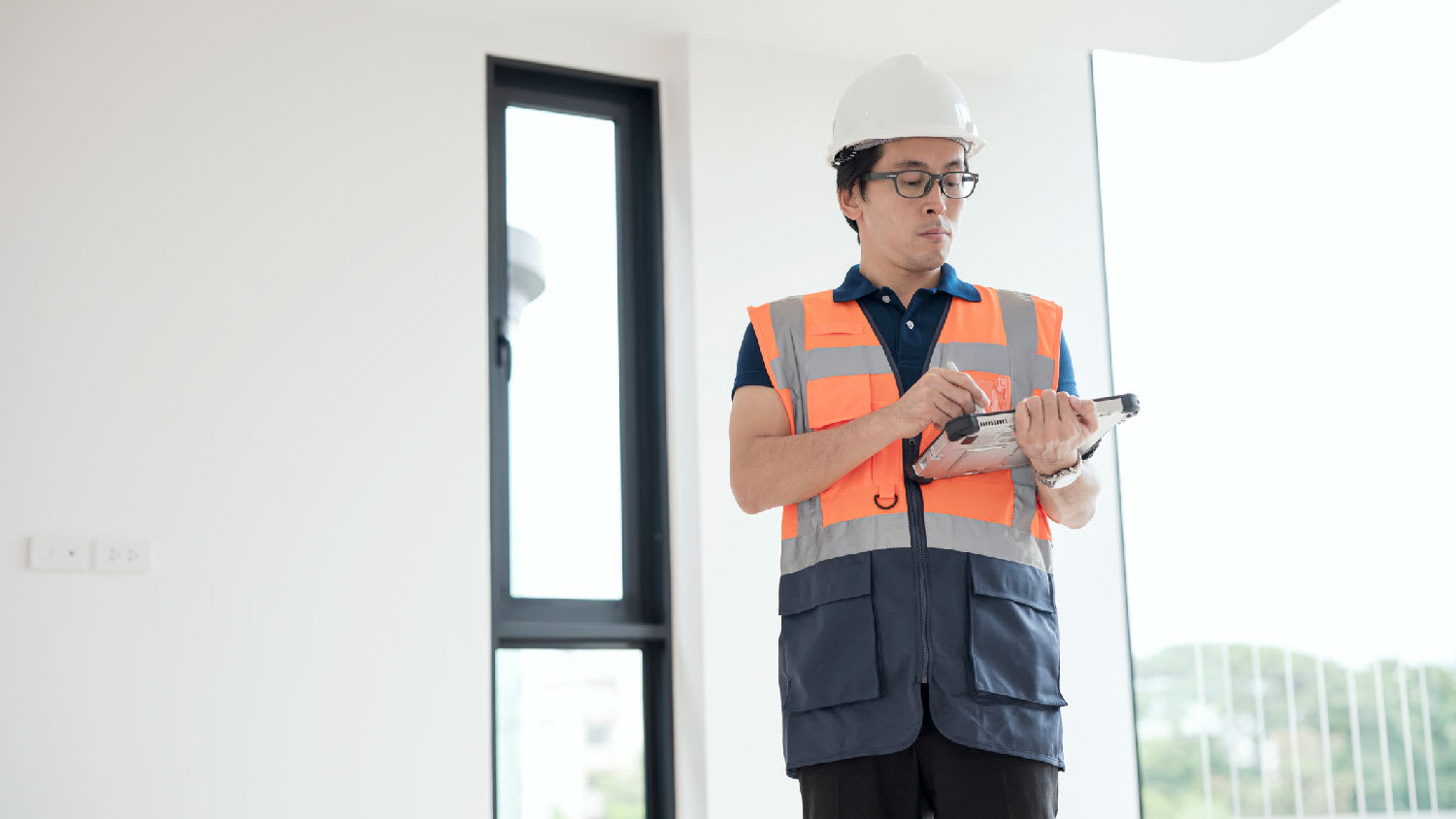
Need to find a qualified radon mitigation service? Learn how to hire the right pro, from certifications to questions to ask, to protect your home.
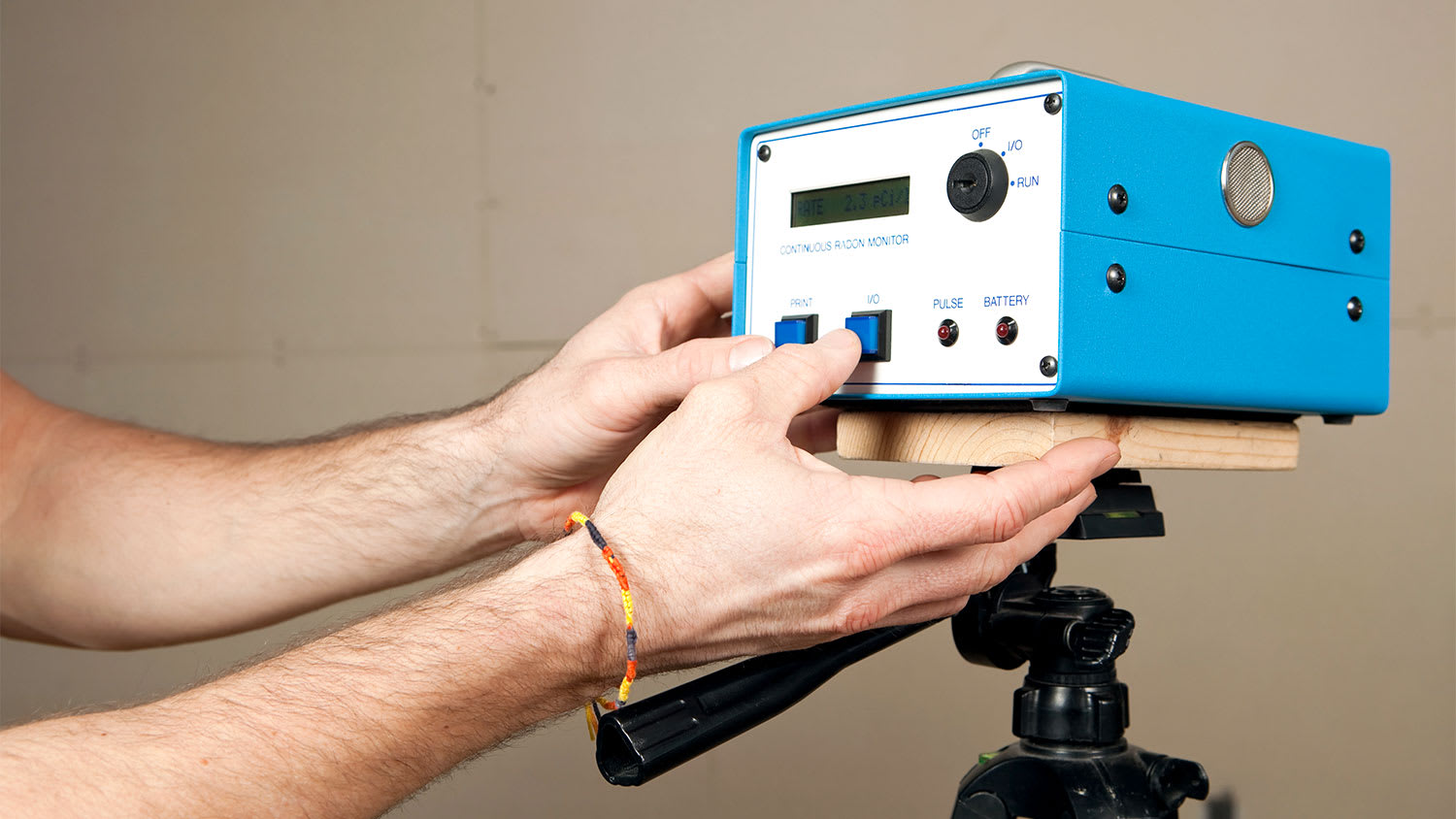
Learn how to hire a qualified radon testing pro for your home. Find certified professionals, understand costs, and get expert tips to protect your family.
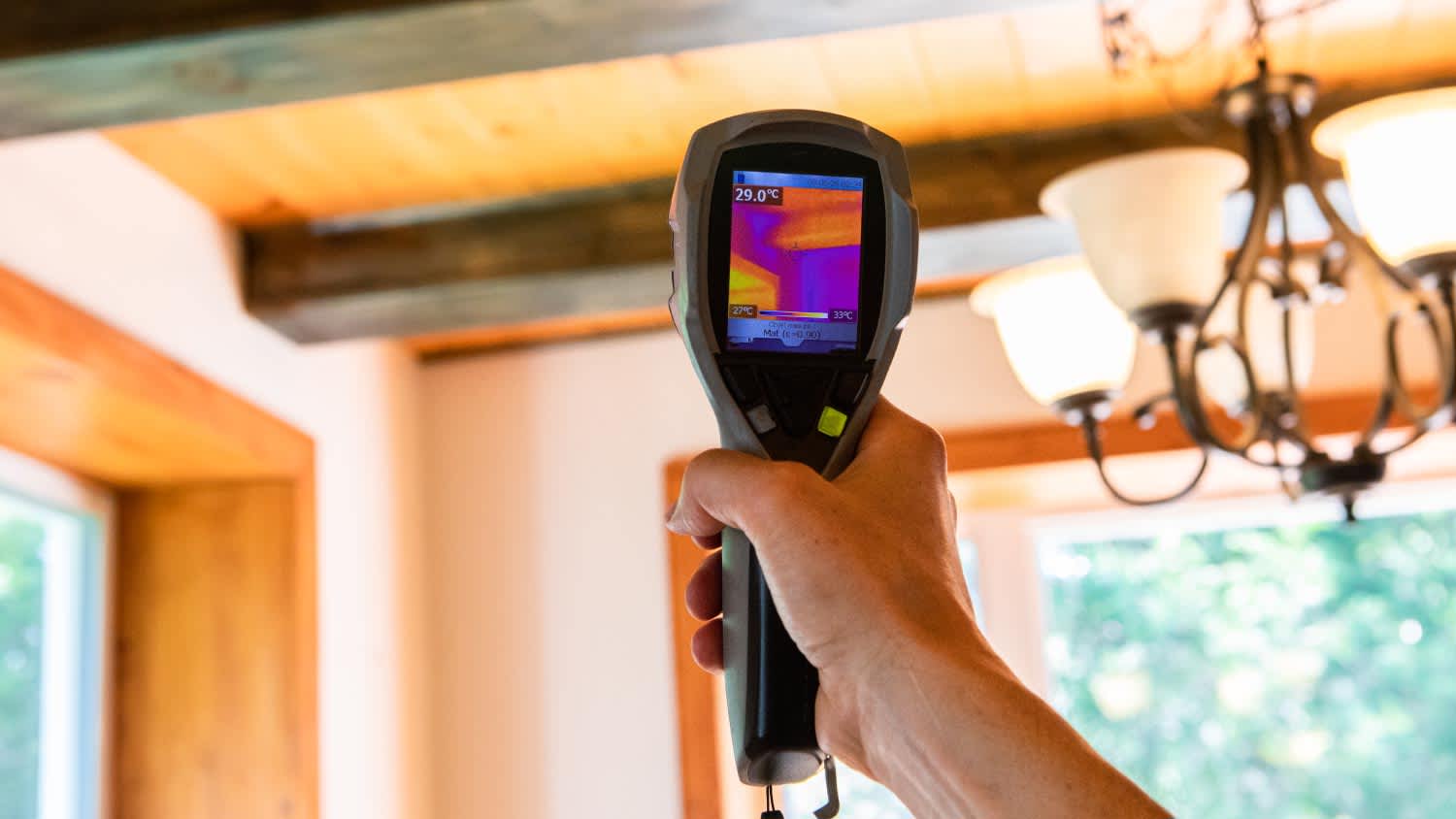
Finding the right professional to test your home's air quality ensures accurate results and actionable solutions