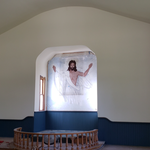
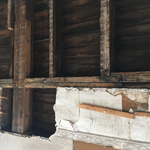
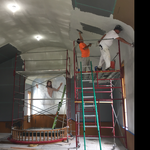
Over 10 years in new construction drywall and repairs. Specializing in finishing, repair, texture matching, and new drywall installation. I only believe in the best quality work and meeting customers needs without cutting any corners.
"We had some water damage and they came out to fix the plasters. I was happy with the service and we're very satisfied with they work. If I have some issues that came back and fix it right away, no problem, no questions and they fix the issues without charge."
We pride our company on reliability, great communication, integrity, and quality work. We are experts in our trade and will do our best to keep you as educated as we can on your particular task or project. We look forward to earning your business!\n
Jeremiah Hinkle, the head of JK Plastering, is a traditionally trained journeyman plasterer in a traditional market. His work stands out from his peers due to his unparalleled experience and passion for plaster. Call Jeremiah today to book an appointment for your plaster needs!
"Although the work was very good, the hours did not coinside with our lifestyle. They arrived around noon and worked late into the night with a 2 hour break for dinner. Our fault for not requesting a different schedule. They swept before they left, but there was still quite a mess."
With over 20 years of business, Triple R Construction is the way to go for all your Drywall & Plaster needs. We take great pride in our timeliness, strong work ethic, and superior customer service every time. We can even service your water heaters! Residential & Commercial. Call today for the Drywall/Plaster experts of the "Show me State!"\n\nSatisfaction Guaranteed!\n
"He listens to what you want and advises you if any issues arise along the way. Great attitude and dosen't take breaks unless you tell. Hin to. He completed both projects on time and on budget"
We are committed to excellence in every aspect of our business. We uphold a standard of integrity bound by fairness, honesty, and personal responsibility. Our distinction is the quality of service we bring to our customers. Accurate knowledge of our trade combined with ability is what makes us true professionals. Above all, we are watchful of our customers' interests, and make their concerns the basis of our business.
Plaster walls typically last between 30 and 70 years, but depending on the quality of the materials and the moisture levels in the building, they can last for over 100 years. With expert application and consistent maintenance, plaster can even last for centuries. To extend its lifespan, it is important to have the plaster professionally installed, address any water damage promptly, and repair small cracks as they appear. Regular inspections by a professional can help identify and address concerning cracks before they become significant issues.
If the holes in the plaster are small, you can fill them with layers of patching plaster until they’re filled. After it dries, you can sand the plaster and paint over it. If the hole is much larger, consider using bonding plaster first and then a layer of patching plaster, completing the process with sanding and a layer of paint.
Ceiling-mounted curtains won’t damage the ceiling if they’re installed properly. Using the right anchors or securing the brackets into joists will ensure the curtain weight is properly supported and prevent damage. However, overtightening screws, using weak anchors, or repeatedly removing and reinstalling hardware in the same spot can cause cracking or sagging over time. In that case, you might have to call a pro for ceiling repair.
Although they have similar applications, spackle and joint compound are not the same. Their primary differences lie in their composition, consistency, and ideal use cases.
Spackle is composed of gypsum and binding agents, making it thicker than joint compound. It dries quickly and is easy to sand, which makes it ideal for small wall repair projects like filling nail holes or patching minor damage.
Joint compound, also known as drywall mud, consists of limestone and gypsum. It is primarily used for large-scale projects, such as taping and finishing the seams on newly installed drywall. It tends to shrink more than spackle and can be more difficult to spread.
While both products can be used to fill small depressions and cracks, spackle cannot replace joint compound for taping and mudding new drywall. Conversely, you can often use joint compound for small patching jobs typically done with spackle.
You’ll want to inspect your plaster walls for signs of damage before painting. If you notice soft spots, deep cracks, bubbling, or areas where the plaster is crumbling or pulling away from the wall, it likely needs repair. While small hairline cracks are common and likely cosmetic, you should address larger issues before painting to ensure a quality, smooth finish.
The Appleton City, MO homeowners’ guide to plaster repairs
From average costs to expert advice, get all the answers you need to get your job done.
Venetian plaster can add depth and texture to your aesthetic. Learn how much Venetian plaster costs based on factors like square footage and whether you hire a pro to help.
You can find plaster walls in a lot of older homes. What’s behind these walls—whether that’s lath or calcimine—can have an impact on how long they last. Finding out the age of your house can help you determine what you’re dealing with.