At Earthscape, our uncompromising dedication to quality craftsmanship ensures that every project is approached individually, creating a personal masterpiece that meets the needs and expectations of our clients, from design to completion. We specialize in landscape and architectual stone masonry (interior & exterior). Examples of our work include: Fireplaces(indoor & outdoor), walls, flooring, facing, patios, and pool decks. We also make custom birch and stone furniture and furnishings. Let our team go to work and add the beauty and strength of natural stone to your home and landscape, creating your perfect little corner of the world.\n \n
Professional services cost between $75 and $150, depending on the size of the home and the severity of the infestation. Multiple treatments often increase costs.
Snakes love yards where they can access pet food, insects, and rodents. They also like places with plenty of hiding spots, such as tall grasses, thick or overgrown shrubbery, pools of water, broken gutters, and boxes. Reducing clutter and debris on your property may help keep them from visiting.
To make sure the removal process goes smoothly, try asking your pro the following questions:
Are you licensed and insured?
How much experience do you have with relocating beehives?
Do you remove the honey and honeycomb?
Do you relocate the bees alive?
Do you have any references from previous clients?
Bobcats are most active from sunset to midnight, and from sunrise to a few hours into the morning. If you see a bobcat acting strangely in hours they’re normally not active, it’s possible they’re sick. The Humane Society recommends contacting a local wildlife professional to find and trap the bobcat in this case.
Don’t count on squirrels leaving on their own. Squirrels like the safety that a cozy attic provides and won’t be in a hurry to leave, especially if they’ve recently given birth to a litter. It’s best to address the situation with DIY removal tactics or hire a squirrel removal pro as soon as you suspect squirrels are living in your attic.
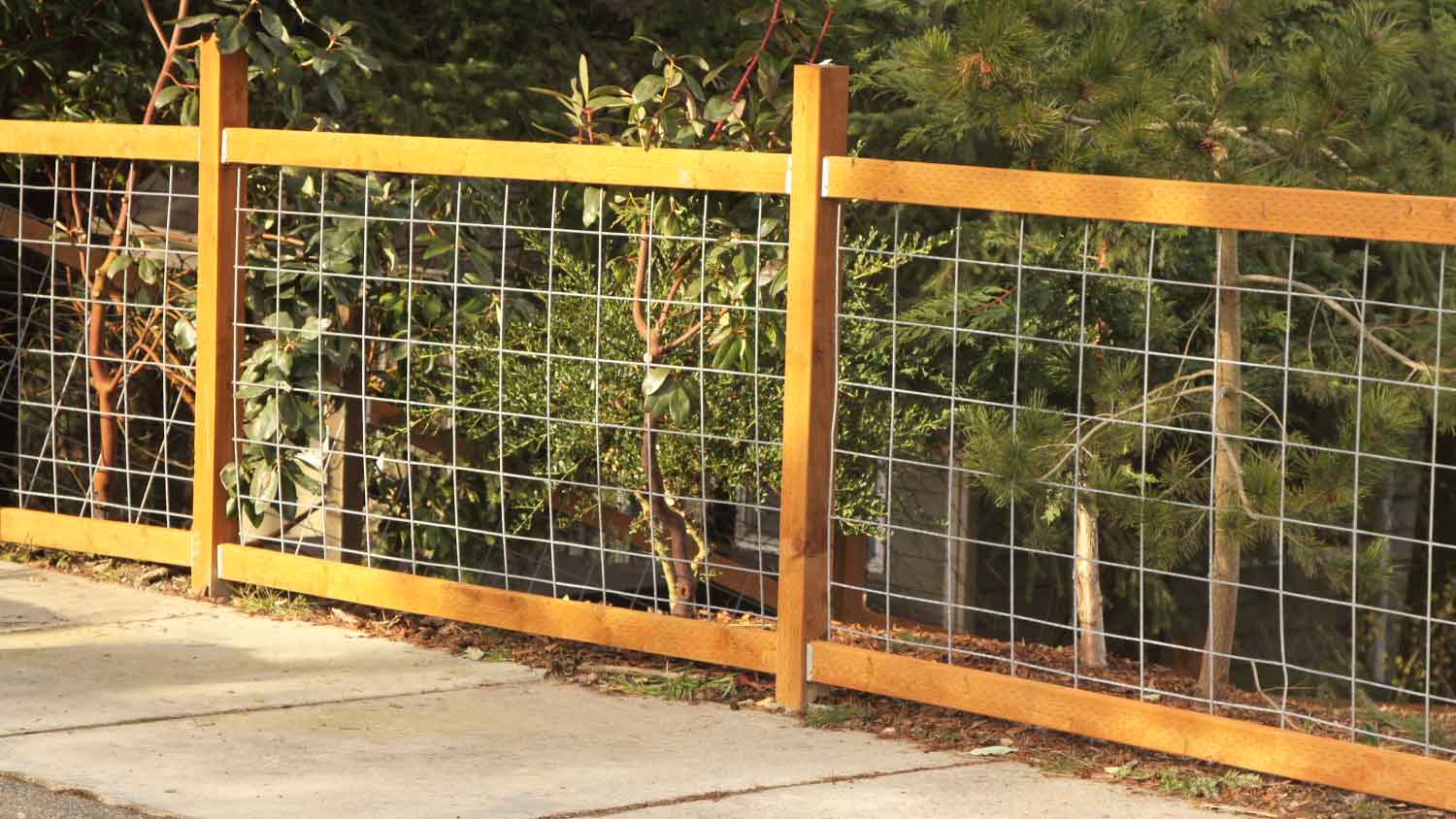
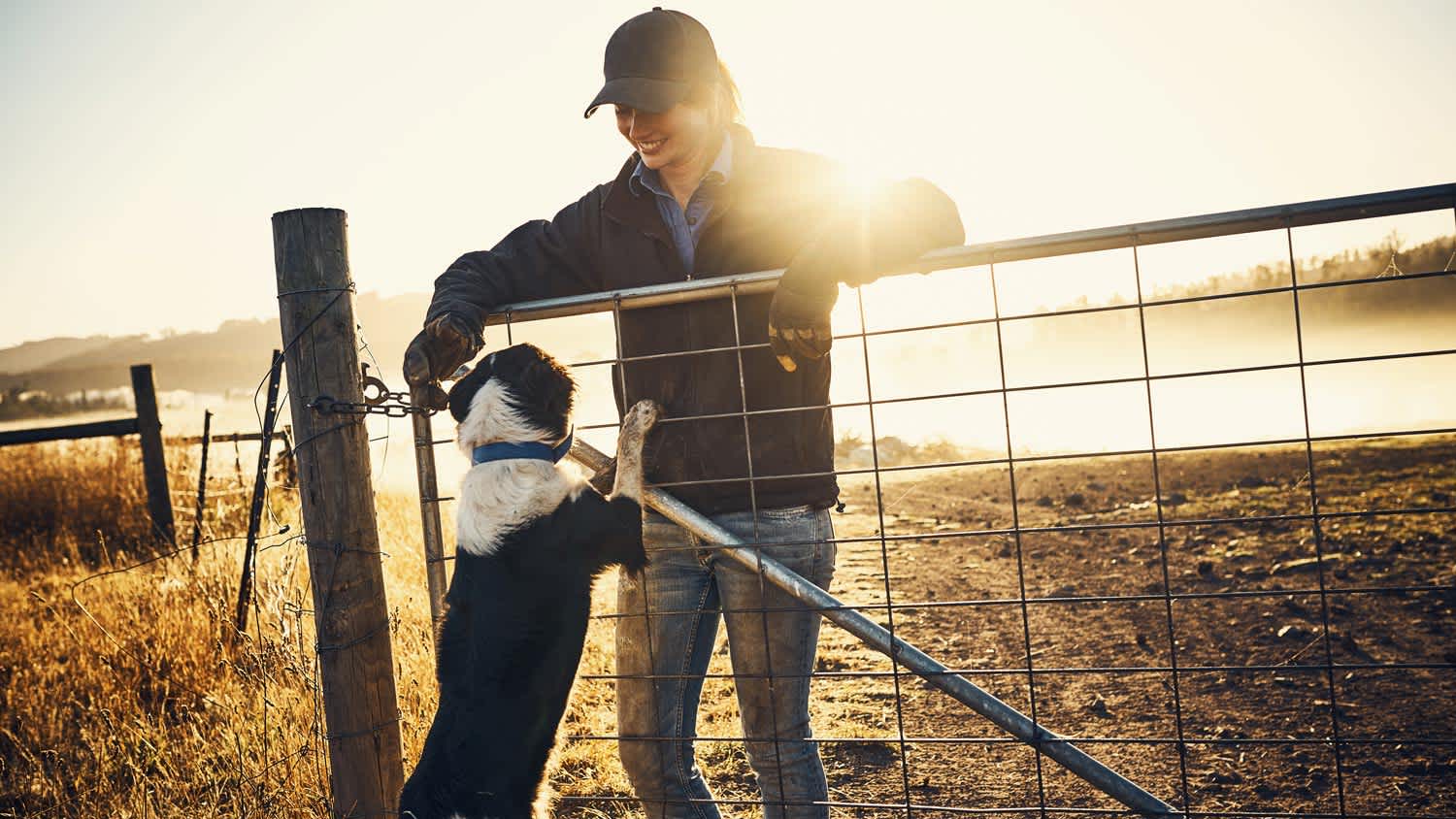
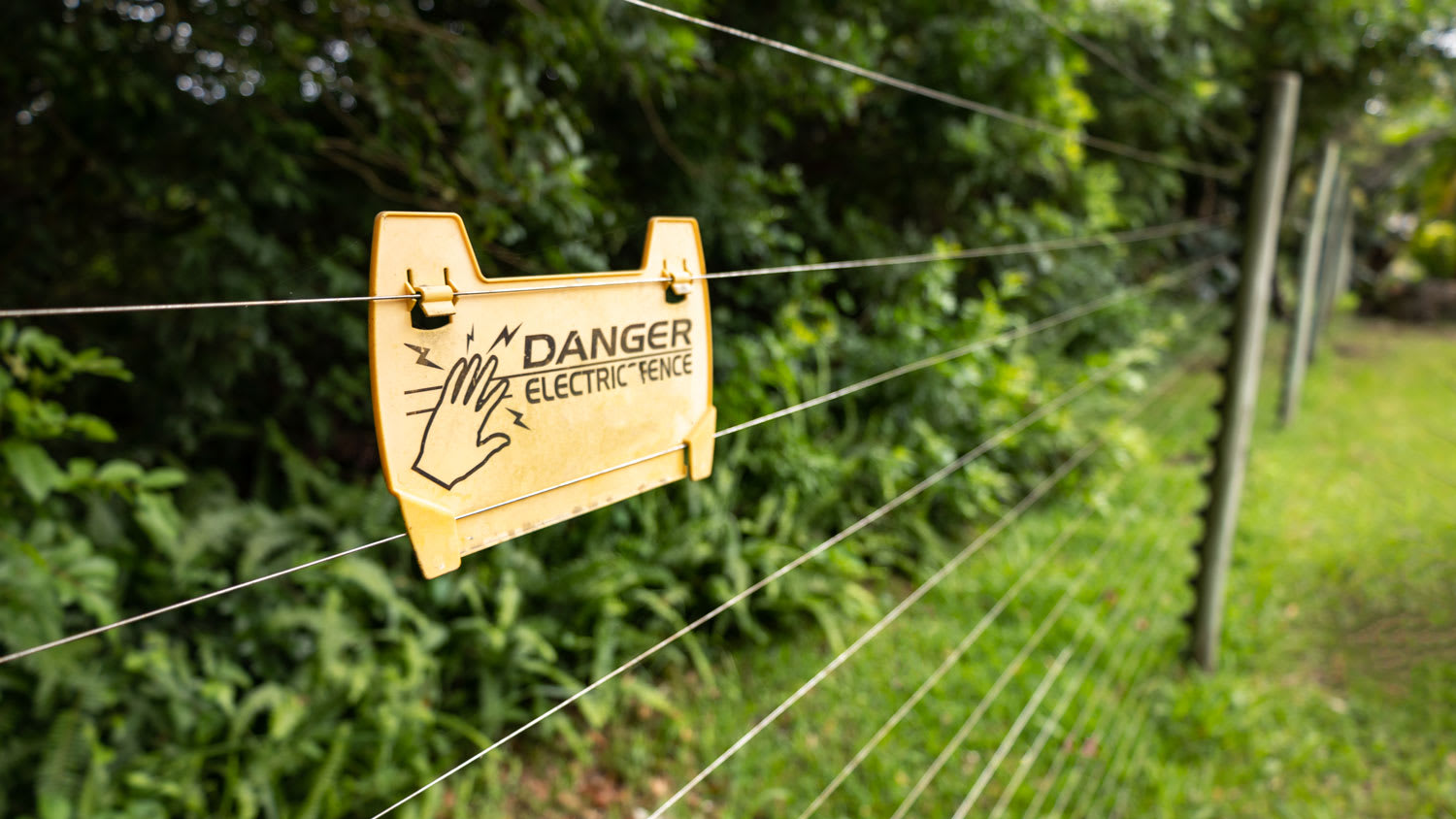
The Willmar, MN homeowners’ guide to animal fencing services
From average costs to expert advice, get all the answers you need to get your job done.
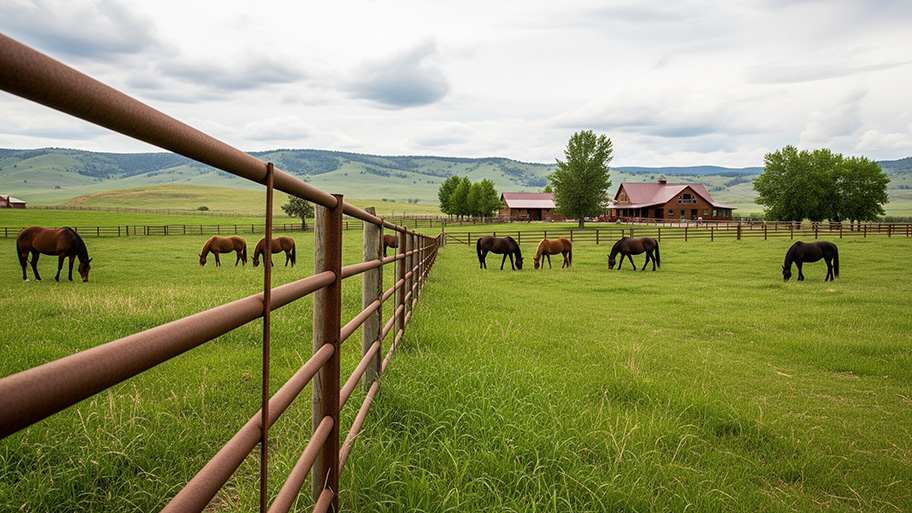
Pipe fencing is an extremely strong, durable option for containing horses and other livestock. This guide breaks down the factors that affect pipe fence cost.