





Top-rated pressure washers.

Get matched with top pressure washers in Willmar, MN

Enter your zip and get matched with up to 5 pros

Need a pro for your pressure washing project in Willmar, MN?

Select your specific project to find the pro for you.

Find Pressure washers in Willmar

Just Right Pressure Washing
New to Angi
Exterior Surfaces - PowerwashingExterior Surfaces - Powerwashing - For Business

Serving Willmar, MN and surrounding areas

In business since 2020

Free estimates

Offers commercial services

We've built an excellent reputation for customer satisfaction by providing quick estimates, a great attention to detail, and competitive pricing. \nBeing a screened and approved professional gives you the peace of mind you need to allow us to give your home the attention it deserves. Call us today and let's get started!\n

Showing 1-10 of 47
Pressure Washing questions, answered by experts

Yes, you must thoroughly clean your deck before staining. If you don't, dirt, debris, grease, and mildew can get trapped between the wood and the new stain. This not only looks unsightly but also prevents the stain from penetrating the wood properly, reducing its ability to protect the deck from weather and UV rays. As a result, the stain won't last as long or look as good. Any existing mold or mildew left untreated can continue to grow beneath the new stain, potentially leading to wood rot and structural damage. Always wait at least 48 hours after cleaning for the wood to dry completely before applying stain.

While it can be a good idea to learn how to pressure wash brick to remove oils, algae, and debris from the surface, pressure washing isn't a good option for getting rid of white stains on brick. While you may get good temporary results, pressure washing can actually make efflorescence worse once the brick dries because the process pushes salt deeper into the brick. In addition, the intensity of pressure washing can damage brick.

The ideal PSI (pounds per square inch) for a pressure washer depends on the surface you are cleaning. For general home use, a pressure washer with a range of 2,000 to 3,000 PSI is recommended and powerful enough for most residential projects.

The specific PSI you should use varies by task:

  • High-Pressure Tasks (2,500-3,000 PSI): Tough materials like concrete, stone, masonry, and brick can handle higher pressures. This is suitable for removing stubborn stains from driveways or cleaning graffiti.

  • Low-Pressure Tasks (around 600-1,300 PSI): Softer surfaces require a gentler touch to avoid damage. Use a low PSI setting for cleaning wood decks (especially softwoods like pine and cedar), vinyl siding, outdoor furniture, and stucco.

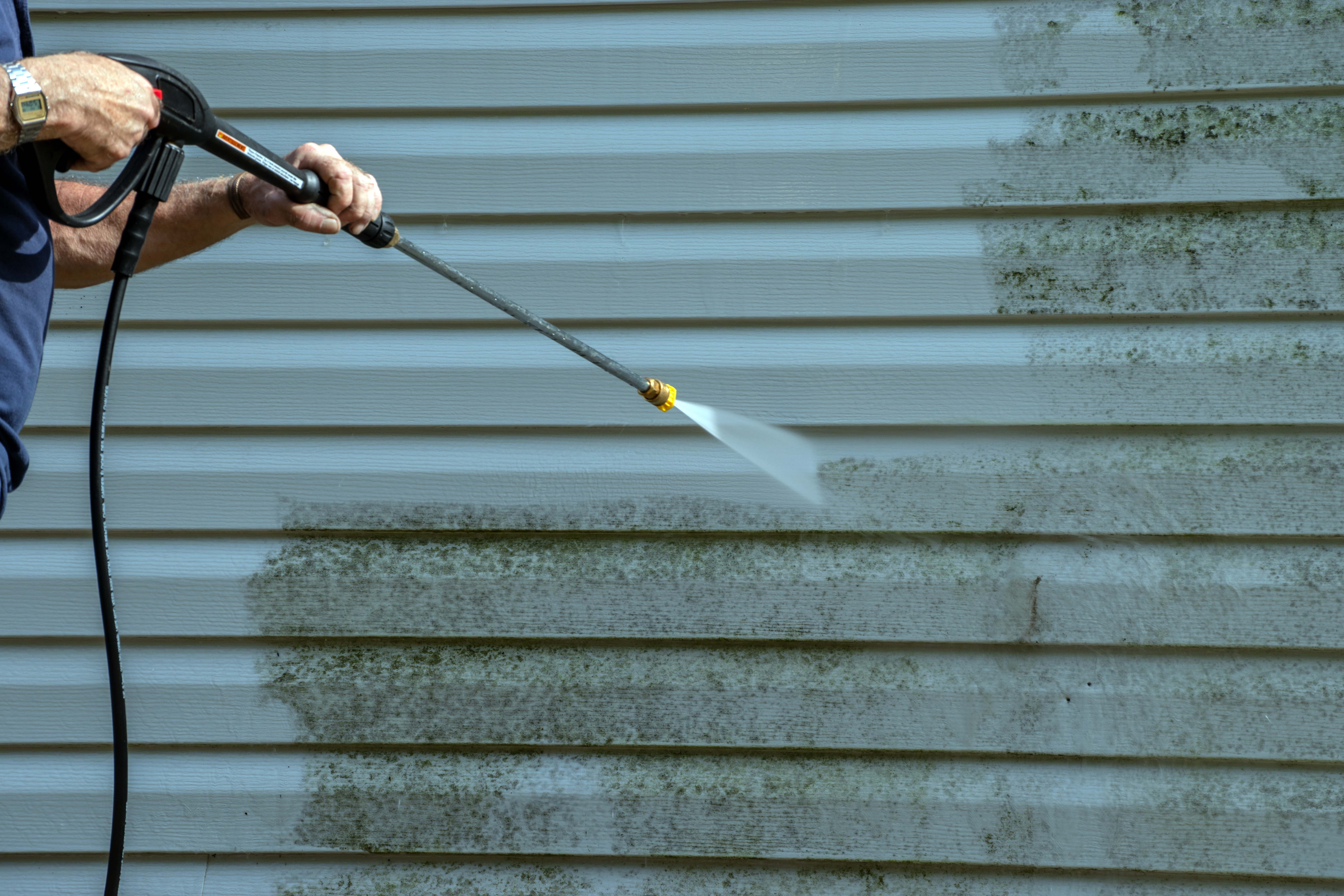
For best results, choose the right nozzle for your surface, such as a 15-degree nozzle for siding or a surface cleaner attachment for driveways. Using an extendable wand can also make the work easier and more ergonomic.

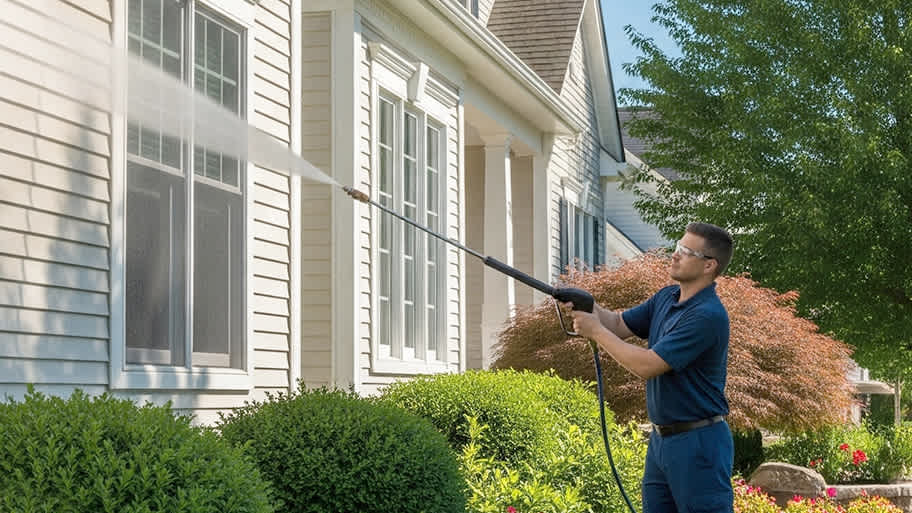
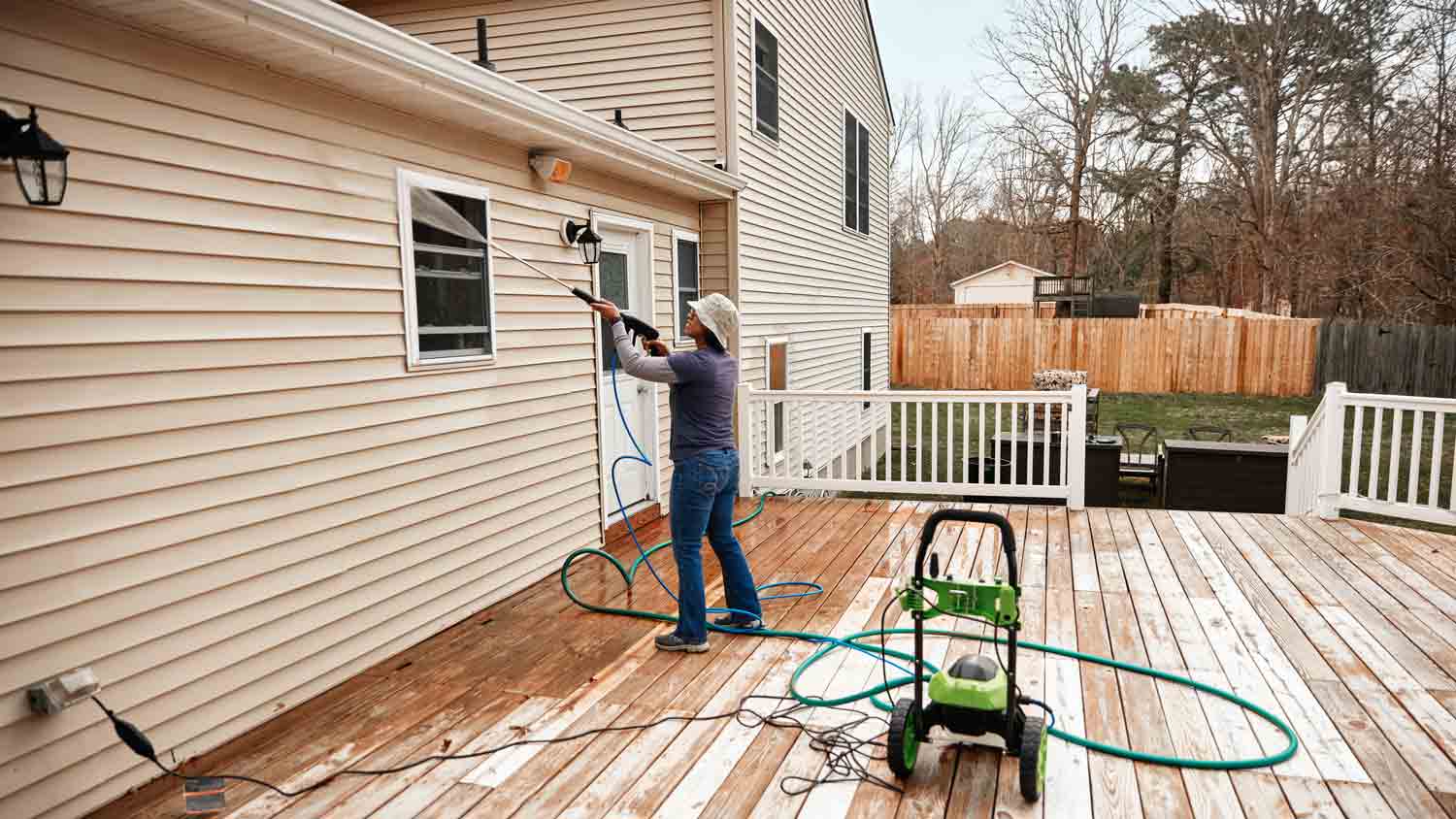
Pressure washing your home or fence can make a major difference in the appearance and may even help extend the life of the structure you’re cleaning. Some of the most common areas that people pressure wash around their property include:

  • Driveway: $100–$250

  • Patio: $100–$200

  • Fence: $150–$300

  • Gutters: $50–$150

  • Roof: $450–$700

  • Siding: $150–$1,400

  • One-story house: $150–$750

  • Two-story house: $400–$1,400

  • Three-story house: $700–$1,800

You should always hook up your pressure washer to the water supply before turning it on and ensure there’s a good water flow. If you try to turn the machine on without water in the system, it overworks and overheats the unlubricated pump. This can quickly lead to irreversible damage.

The Willmar, MN homeowners’ guide to pressure washing services

From average costs to expert advice, get all the answers you need to get your job done.