


Top-rated painters.

Get matched with top painters in Webster, MN

Enter your zip and get matched with up to 5 pros

Need a pro for your painting project in Webster, MN?

Select your specific project to find the pro for you.

TRUSTED BY WEBSTER, MN HOMEOWNERS

  • Average homeowner rating star icon4.7
    Average homeowner rating
  • Verified reviews icon515
    Verified painting services reviews

Find Painters in Webster

Avatar for JustWalls Painting
JustWalls Painting
5.0(
12
)
Exterior Home or Structure - Paint or StainExterior Home or Structure - Paint or Stain: LargeInterior Home or Surfaces - Paint or Stain+7 more

Serving Webster, MN and surrounding areas

In business since 2015

Free estimates

Credit card accepted

"Tyler with just walls was one of the lower bids we had to paint our new home walls and some pillars, along with staining our doors. He was also the most curteous and responsive to our desires. I also appreciate how kind he was to my daughter and fiancee. I will use them again for any future jobs."
Wallpaper removal and 2 top coats
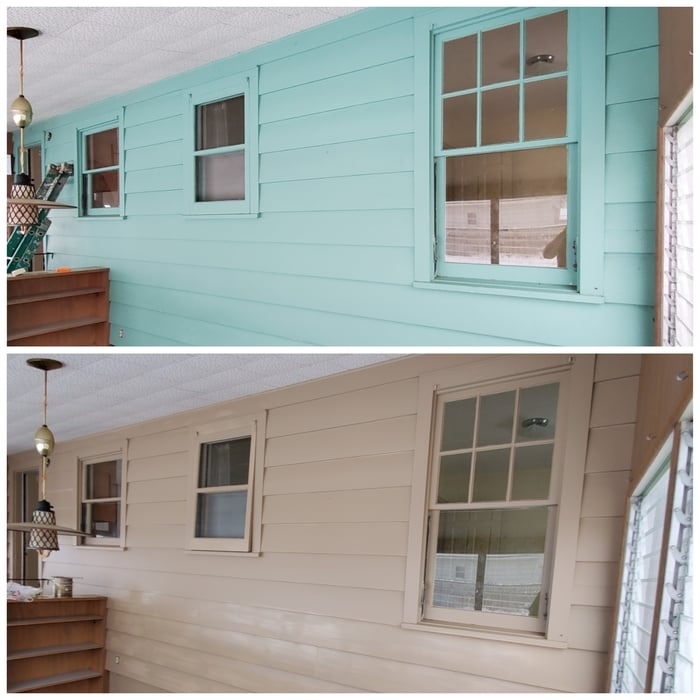
Porch Deck Walls 2 Coats
Interior wall project
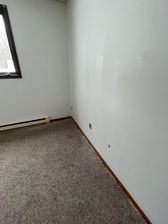
Interior Walls
Additional Photos

+6

Recommended by100%of homeowners

Avatar for Flanagan Painting
Flanagan Painting
5.0(
29
)
Exterior Home or Structure - Paint or StainExterior Home or Structure - Paint or Stain: LargeInterior Home or Surfaces - Paint or Stain+7 more

Serving Webster, MN and surrounding areas

In business since 2006

Free estimates

Emergency services offered

"We had a very positive experience with Flanagan Painting. Joe was very responsive and fully explained the process steps involved with cleaning, patching and painting our 1918 2.5 story home's brick, stucco and wood exterior. Our project included three paint colors for the wood trim, stucco and brick and took about 7 business days to complete. They power washed the entire home and then scraped and patched peeling paint and cracks in the stucco and brick prior to apply two coats of paint. The cedar deck turned out better than expected as we had not had it stained in a number of years. After power washing it, Joe took the extra time to sand down some stubborn stain spots and the end result looks great (pic below is taken in dappled shade). The crew worked quickly and Joe followed up at the end with the final finishing work. I really appreciated doing business with Joe and his attention to detail and commitment to ensuring we were happy with the results.. We are very pleased with the outcome and would highly recommend Flanagan Painting without hesitation."
Additional Photos
Additional Photos
Additional Photos
Additional Photos
Response time5 days
Response rate100%
Recommended by100%of homeowners

...
Showing 1-10 of 152
Painting questions, answered by experts

Wood stain does go bad, but it will last in the can for between three and six years, provided you use proper storage techniques. Storing wood stain in open containers or in extremely low or high temperatures will cause your wood stain to become unusable much more quickly. Water- and latex-based wood stains typically last for just two to four years, while oil-based wood stains can last for three to six years.

Limewash and whitewash are two techniques used to give brick a light, matte finish, but they differ in composition, application, and permanence. The best choice depends on your aesthetic goals and the specific surface.

Composition

  • Limewash: A natural and environmentally friendly option made from limestone, water, and sometimes pigments. It is breathable and soaks into porous surfaces like brick.

  • Whitewash: Traditionally made from lime, water, chalk, and binders, but a similar look can be achieved with watered-down white paint. It is paint-based and sits on top of the surface.

Appearance and Finish

  • Limewash: Provides a natural, textured appearance that allows the brick's character to show through. It offers a more traditional finish.
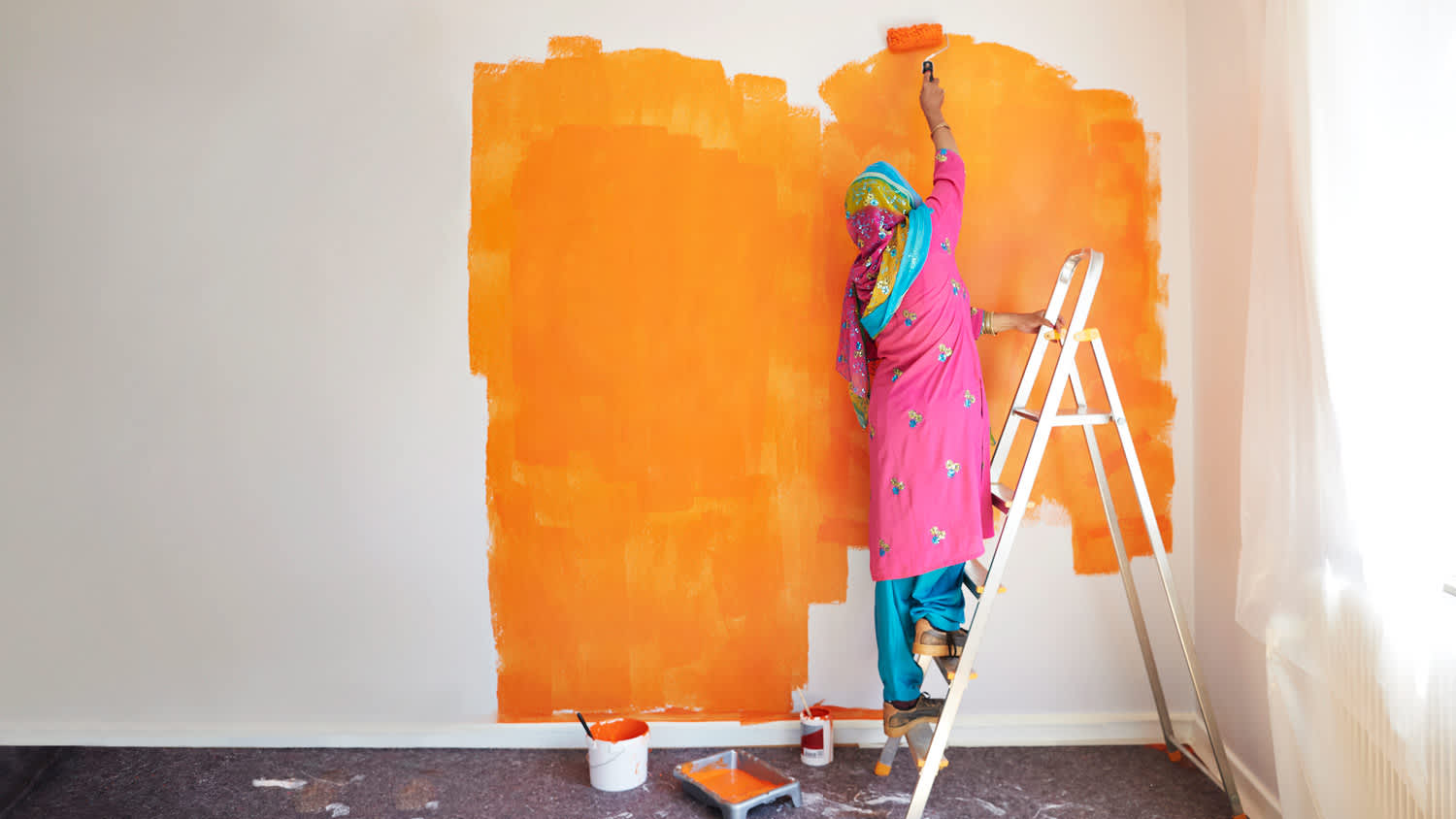
  • Whitewash: Creates a softer, more opaque finish, often used for a rustic or shabby-chic style.

Application and Permanence

  • Limewash: Is semi-permanent and can be removed, making it a good choice if you might want to change the look in the future. It requires more skill to apply and cannot be used on previously painted brick.

  • Whitewash: Is a more permanent solution. It is more forgiving to apply and can be used on painted brick. However, because it sits on the surface, it can trap moisture.

Ultimately, if you want a breathable, natural, and reversible finish for unpainted brick, limewash is a great option. If you need a more permanent, opaque coating that can be applied over painted surfaces, whitewash is the better choice. Whitewashing may also be more economical, costing approximately $1.40 to $4.20 per square foot.

Whether to brush or roll stain on wood depends on the project and your preference. Brushing is ideal for smaller, intricate areas and offers more control over the application, ensuring thorough coverage and penetration into the wood's grain. 

Conversely, rolling is efficient for more extensive, flat surfaces and can save time. However, it is not always the best fit for textured or uneven wood. Some projects may benefit from combining both methods, using a brush for detail work and a roller for broader areas. Ultimately, the choice between brushing and rolling depends on the specific requirements of your staining project.

Yes, staining or sealing a cedar deck or fence is highly recommended to extend its lifespan, typically by five to 10 years. While cedar is naturally resistant to mold and mildew, it can still fall victim to moisture, sun exposure, and rot over time. Applying a treatment creates a protective shield that helps prevent splintering, fading, and decay, preserving the wood's strength and appearance. A combination stain and sealer often provides the best protection, as it soaks into the wood grain rather than just sitting on top. This offers superior defense against UV damage and rot and lasts longer than a sealer alone. To maintain the wood's natural look, consider using a near-translucent stain. You should plan to reapply the stain or sealer every two to three years.

Typically, a fence requires one to two coats of stain. The exact number can vary depending on the porosity of the wood. For specific guidance, it's best to check the manufacturer's instructions. After applying the first coat and letting it dry completely, you can assess the finish. If it appears patchy, uneven, or you want a more saturated color, a second coat is recommended. An extra coat can also help cover lap marks.

The Webster, MN homeowners’ guide to painting services

From average costs to expert advice, get all the answers you need to get your job done.