



Top-rated tree service pros.

Get matched with top tree service pros in Virginia, MN

Enter your zip and get matched with up to 5 pros

Need a pro for your tree service project in Virginia, MN?

Select your specific project to find the pro for you.

TRUSTED BY VIRGINIA, MN HOMEOWNERS

  • Average homeowner rating star icon4.8
    Average homeowner rating
  • Verified reviews icon25
    Verified tree services reviews

Find Tree service pros in Virginia

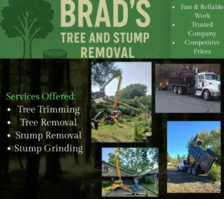
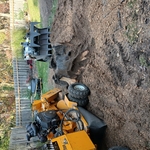
Avatar for Brad's Tree and Stump Removal
Brad's Tree and Stump Removal
4.7(
13
)
Tree Stump - RemoveTree Stump - Remove - For Business

Serving Virginia, MN and surrounding areas

Approved

In business since 2015

Free estimates

Credit card accepted

"They were very professional and extended me the courtesy of paying the next day which is a rare quality for a company. I would definitely recommend them to anyone in need of their service."
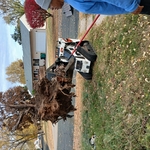
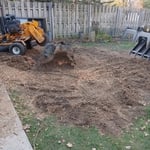
My Work
My Work
My Work
My Work
Brads tree stumpremoval

+1

Response time6 hrs
1 neighbors recently requested a quote
Recommended by76%of homeowners
Avatar for Northland Tree Service LLC
Northland Tree Service LLC
5.0(
4
)
Tree RemovalTree Stump - RemoveTree Trimming+1 more

Serving Virginia, MN and surrounding areas

In business since 2023

Free estimates

Small jobs welcome

"Great customer service. Very friendly. Prompt. "The project was top notch. Not only did they consistently show up on time, but they finished the project early and were willing to reschedule the final walkthrough multiple times to accommodate our schedule. Final project turned out great!""
Before

After
Mountain iron stump
Recommended by100%of homeowners
Showing 1-10 of 46
Tree Service questions, answered by experts

It is possible to cut down a tree on your property yourself, but it is generally not recommended unless specific conditions are met. You should only consider this project if the tree is small (e.g., under 4-5 inches in diameter and short enough that you don't need a ladder to reach the branches), and you are experienced in handling a chainsaw. The tree must also be located far from any power lines, fences, homes, or other structures. Even for small trees, the work can be dangerous, and it's always advisable to have a spotter to ensure the tree falls correctly and no branches fall on you.

For any tree that is large, requires a ladder to access, or is near electrical lines or structures, you should always hire a professional. Attempting to remove a large tree yourself is extremely dangerous, poses a risk of serious injury, and could result in significant damage to your property.

Before any tree removal, it's also important to check your local and state regulations to ensure the tree is not historic or otherwise protected by your city.

We recommend removing the stump, and grinding is a popular way to do it. You can also dig out small stumps or stumps that have fully decayed instead of grinding them. However, don’t try using acids or fire for killing a tree stump, which is a fire hazard and illegal in many areas.

Leaving the stump alone invites eventual problems, including attracting termites, mold, and fungi.

Yes, cutting a tree's roots can cause it to fall, particularly if major support roots are severed. In extreme cases, trimming roots can affect the tree's structure and stability. Many crucial roots are located just below the soil's surface. If you make severe cuts to roots more than 2 inches in diameter, you risk impacting the tree's water flow and its ability to withstand severe winds or storms. Even cutting roots less than half an inch in diameter under or outside the tree's canopy can cut off its water supply, causing it to decline, die, and eventually topple.

Trees are beneficial to the environment and wildlife. If you have an old tree, but it’s healthy, it may be best to avoid cutting it down. However, if it’s showing signs of bug infestation, disease, or is potentially hazardous, then you should contact a tree removal company to cut it down. 

If you are unsure whether you should have it removed or not, then speak with an arborist to determine what is best.

A tree can split because of high winds, a change in temperature, or from an infestation or tree disease. All of these factors can overlap, making a single cause difficult to pinpoint. While winter storms are some of the most common causes for a tree to split, it can also happen because of termites or rot.

The Virginia, MN homeowners’ guide to tree services

From average costs to expert advice, get all the answers you need to get your job done.