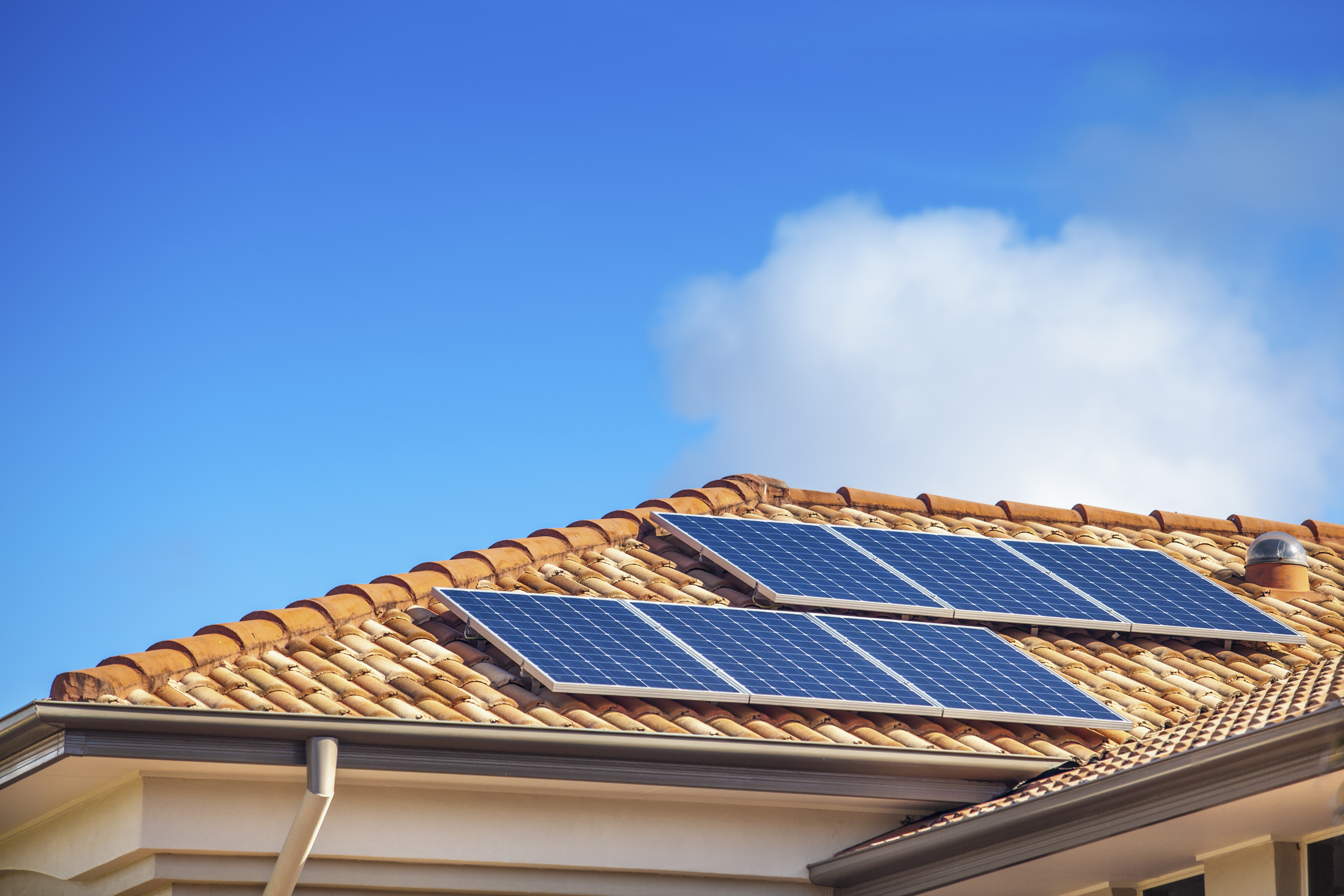
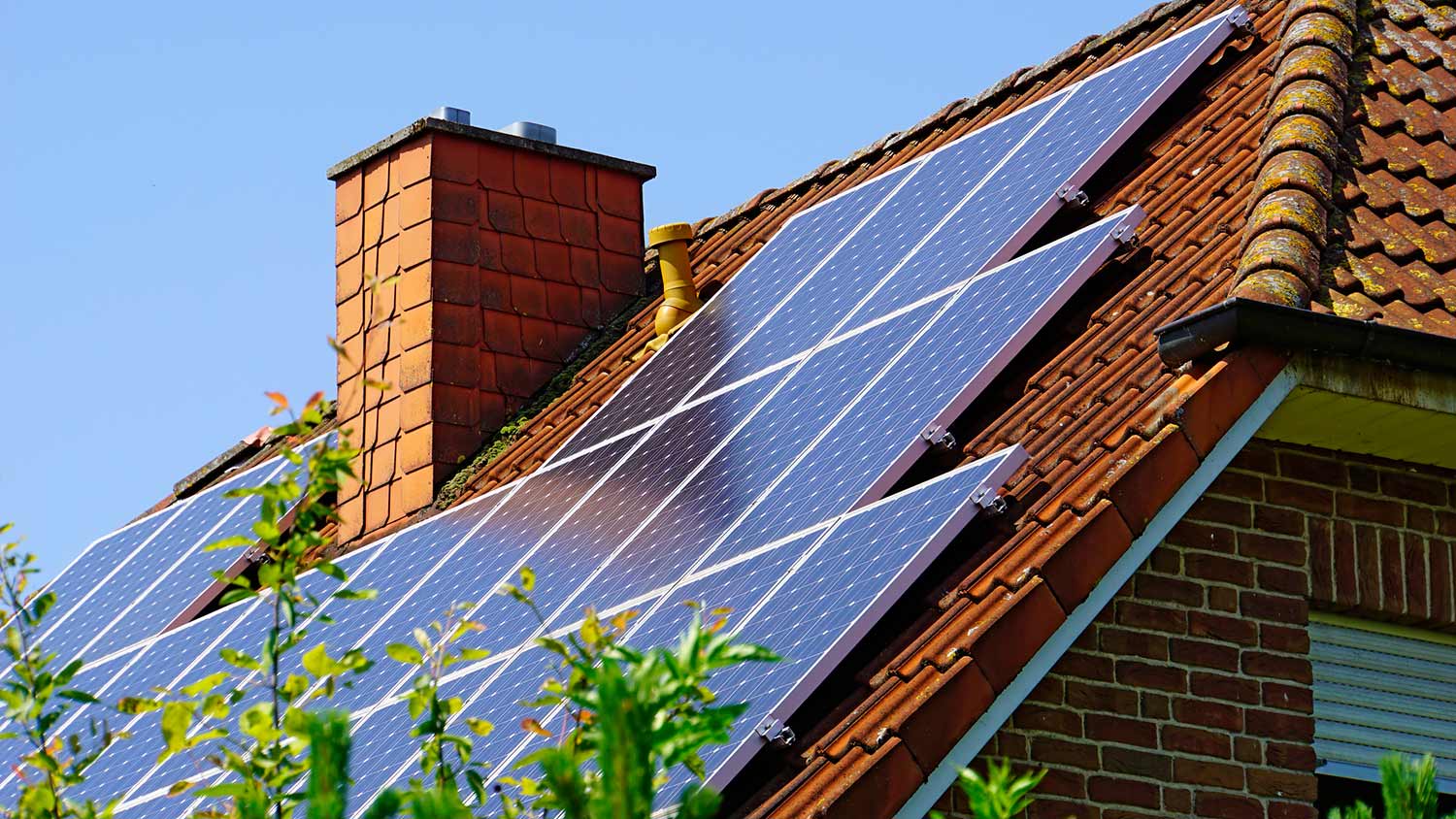
We provide residential and commercial solar power options, and provide support services for industry partner companies. We offer no cost consultations and $0 down financing. Please contact our office for a consultation at (931)922-8258.
"I was very impressed with the installer who was sent. He mounted the dish without drilling through my new roof, which might have voided my roof warranty, Also, he mounted the dish in a location where it is easy for me to brush the snow off it in winter. I appreciate his knowledge and thoughtfulness. Also, they didn't charge me to re-install the dish."
"The last was a rental company that we have and we used them for an air conditioning and heating system. It was Bototach Mechanical. It’s been a good program for us. They’re very responsive. I don’t know what the thought process was. My husband said, well let’s try these guys and so we did. We have an older home and it’s proved to be a very good deal. The quality has been pretty good, so I would give them an A for the quality. I will give you one helpful hint though. If the company decides they want to replace an appliance, you need to call them and negotiate with them because you can upgrade, but you need to talk to them in person not just do it over the internet."
Yes, you have to get on the roof to cut a hole for solar tubing. It's not possible to complete the job from inside your house by simply cutting through the ceiling. So if you want to go the DIY route, remember to use safe ladder practices. If you’re not comfortable climbing on your roof to install solar tubes, hire a pro who has the tools and expertise to do the job safely.
The time it takes to install solar panels depends on the number of panels and the size of your home, but installation takes between two and three days of work. While most contractors can install the panels over the course of a couple of days, switching to solar energy can take two to three months in total. This includes the time it takes to design the system, procure the parts, obtain the permits, install the panels, connect to the main power grid, and get an inspection.
Yes, a solar panel can power a TV without a battery, but only if the sun is shining and the panel is generating enough energy. Your solar panel and TV must have the same voltage, and you should install a charge controller and inverter between them so power surges don’t destroy your TV. To watch TV at night, in the early morning and late afternoon, and on cloudy days, your home must be tied to the power grid.
It’s possible that installing solar panels can lead to mold on the roof. The panels themselves are not the issue. Problems caused by improper installation—such as roof leaks and mounts that aren’t sealed properly—can cause mold. Another potential cause of mold is debris accumulation under panels, which can trap moisture. If you live somewhere with extreme snow, rain, or hail, your home could be more prone to mold.
Solar panels have a life span between 10 and 40 years, depending on the type of panel. For example, monocrystalline panels can last up to 40 years, while thin-film ones only last between 10 and 20 years. The longevity also comes down to keeping up with solar panel repairs and their related costs .
The Stephen, MN homeowners’ guide to solar panel services
From average costs to expert advice, get all the answers you need to get your job done.
Find out how much it costs to remove solar panels, including average prices, key cost factors, and tips to save money on your solar panel removal project.
There are three types of solar panels: monocrystalline, polycrystalline, and thin-film. Before choosing one for your home, here are the pros and cons of each.
If you’re making the switch to solar energy, you’ll want to know the difference between solar panels versus solar shingles. Here are the pros and cons of each.