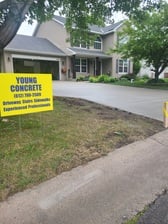
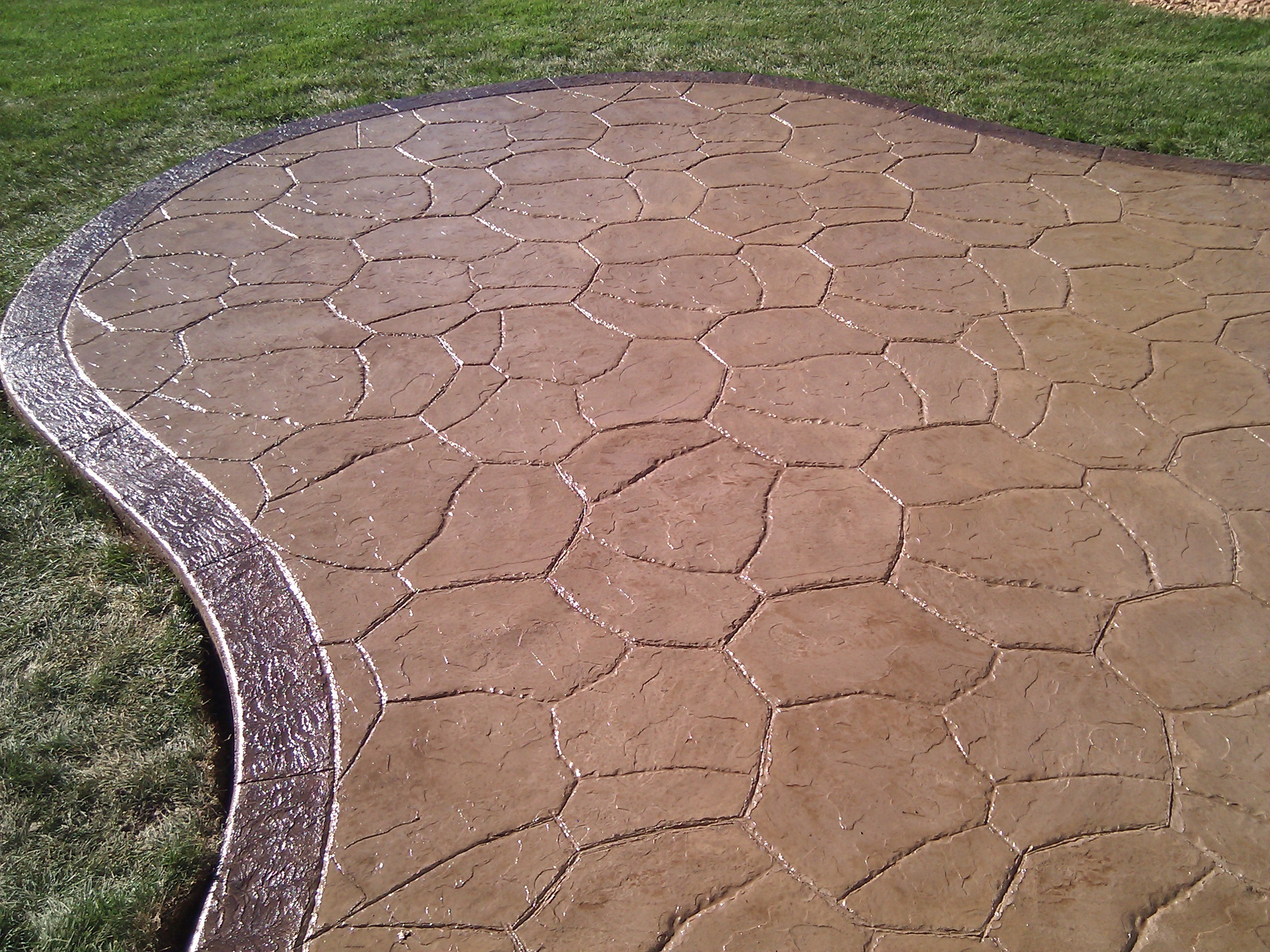
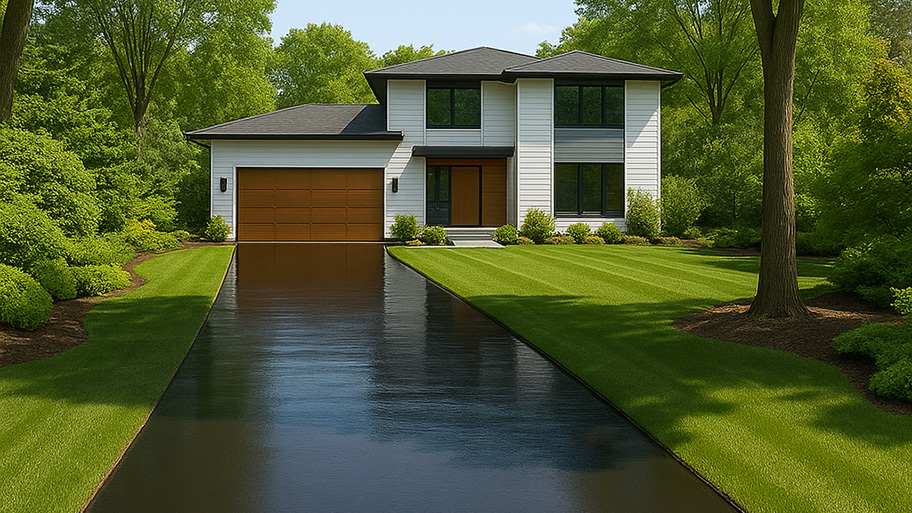
"Mr. Vick was very professional and friendly. We were impressed with the quality of his job and how it only took him one hour to finish the it. We would recommend him to anyone that needs their driveway or parking lot seal-coated. "
Steel Asphalt Coatings is committed to excellence in every aspect of our business. We uphold a standard of integrity bound by fairness, honesty and personal responsibility. Our distinction is the quality of service we bring to our customers. Accurate knowledge of our trade combined with ability is what makes us true professionals. Above all, we are watchful of our customers interests, and make their concerns the basis of our business.\n
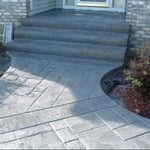
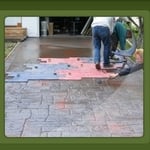
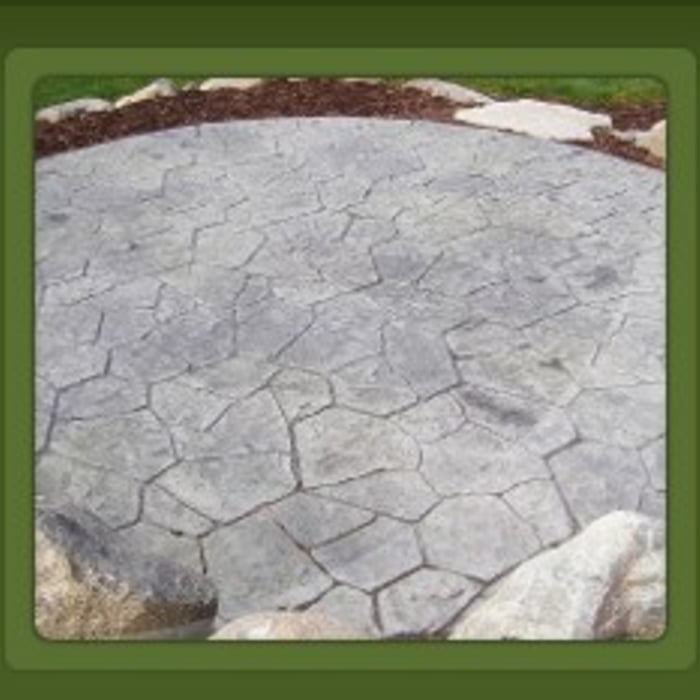
GrayStone Concrete & Masonry, LLC, is your 1st and finest choice in concrete and masonry, all right here in our community. GrayStone Concrete and Masonry, LLC, produces elegant concrete and masonry work. Producing the ultimate in quality craftsmanship, with pride in doing great work, we care for your place and your project, as if it was our own. We are your one-stop shop serving the complete project, even aspects not noticeable -- we allow the whole to be completed right when it should be. Rest assured and everything is good with GrayStone Concrete & Masonry, LLC. We are perfectionists and all of our work is guaranteed. Call now.
At Earthscape, our uncompromising dedication to quality craftsmanship ensures that every project is approached individually, creating a personal masterpiece that meets the needs and expectations of our clients, from design to completion. We specialize in landscape and architectual stone masonry (interior & exterior). Examples of our work include: Fireplaces(indoor & outdoor), walls, flooring, facing, patios, and pool decks. We also make custom birch and stone furniture and furnishings. Let our team go to work and add the beauty and strength of natural stone to your home and landscape, creating your perfect little corner of the world.\n \n
We pride our company on reliability, great communication, \nintegrity, and quality work. We are experts in our trade and will do our best \nto keep you as educated as we can on your particular task or project. We are locally owned and operated. Give us a call today, we look forward to earning your business!\n
Common alternatives to a gravel driveway include concrete, asphalt, brick, stone pavers, and permeable pavers. Concrete and asphalt are generally the most affordable options. However, concrete can be prone to cracking in cold climates, while asphalt may soften in areas with high heat and direct sun exposure. For enhanced curb appeal, brick, stone, and permeable pavers are popular choices, though their installation can be more expensive due to intricate designs. Stone pavers offer a natural look and are sometimes installed with gravel around them. Both permeable pavers and brick driveways provide excellent drainage, which helps prevent flooding and reduce water runoff.
Regular cleaning, sealing, and timely repair of cracks help maintain its condition.
You should contact your driveway installer before winterizing a newly installed driveway. Winterizing it before the asphalt or concrete has fully cured can damage the driveway. But in many cases, you don't need to winterize a newly installed driveway anyway since it's likely freshly sealed and won't have much damage yet.
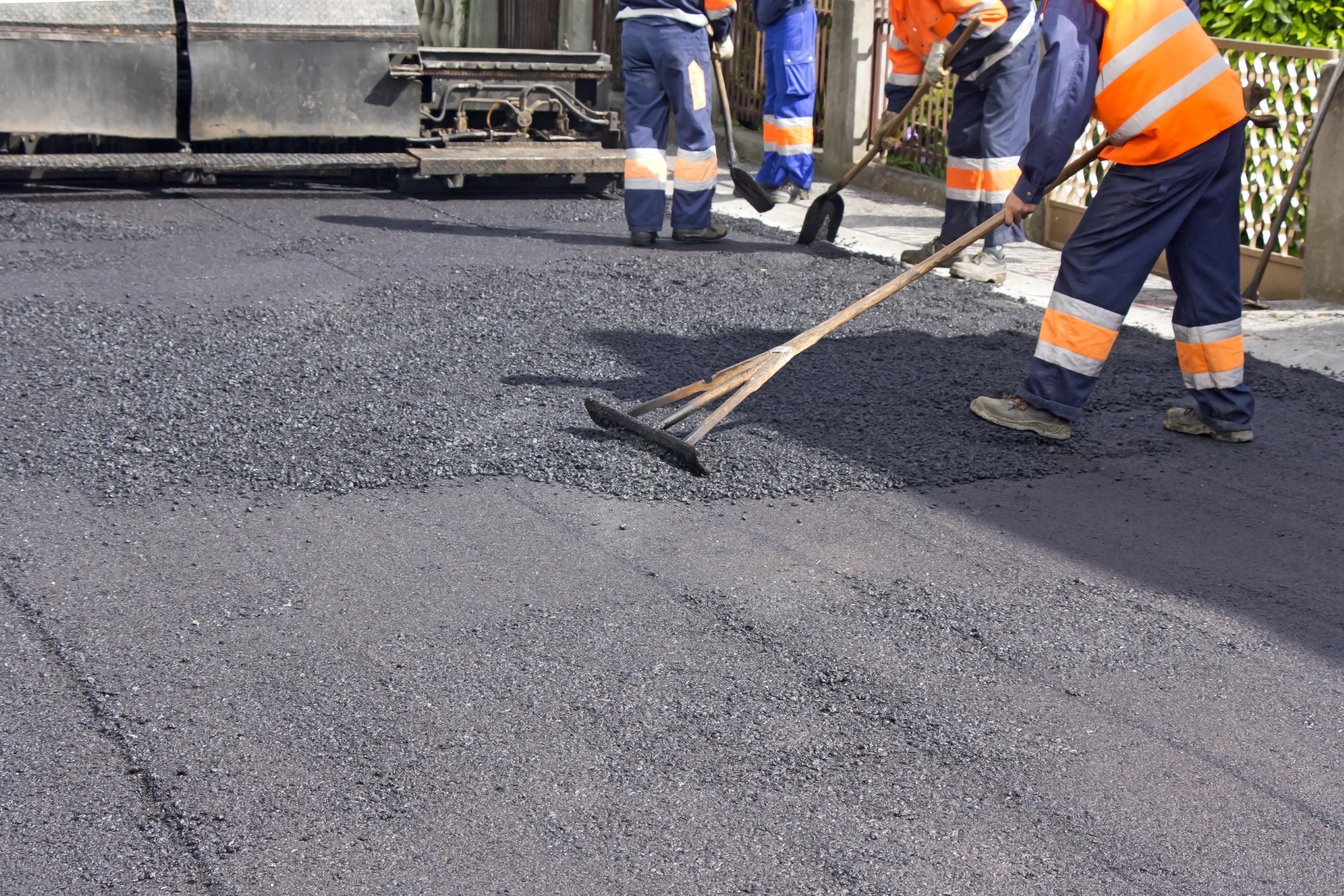
Whether you should resurface or replace your asphalt driveway heavily depends on its condition. If the foundation is solid and the damage is minor, resurfacing is your best bet because it’s more affordable and faster than replacing the driveway. But if your driveway has foundational problems and/or severe damage, like large, deep cracks and potholes, then it makes more sense to replace it.
If your driveway is cracked, you can repave it with a process called asphalt overlay. Overlay is more cost-effective than a full replacement but is better suited for minor cracks and issues. If you have major cracks or other problems like water pooling, asphalt overlay isn’t your best bet. Plus, paving over a cracked driveway only extends the lifetime by about 10 years, whereas replacing it would start the clock over completely to give you up to 30 years.
The Stephen, MN homeowners’ guide to asphalt driveway services
From average costs to expert advice, get all the answers you need to get your job done.
Adding a new asphalt driveway to your home can boost its overall appearance and give homeowners a nice ROI down the line. But how long do asphalt driveways last, and what can you do to maximize their lifespans? Read this guide to find out.