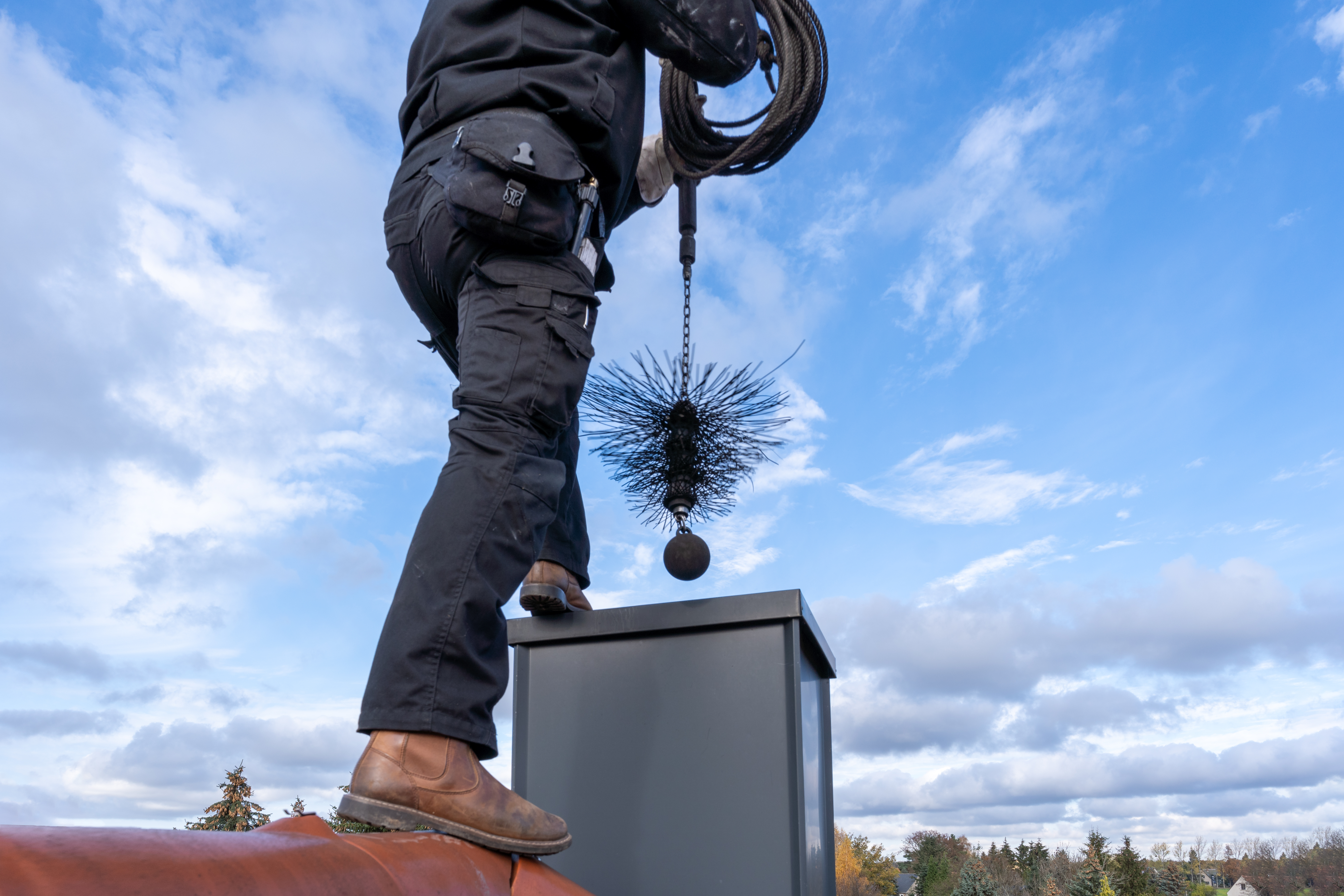
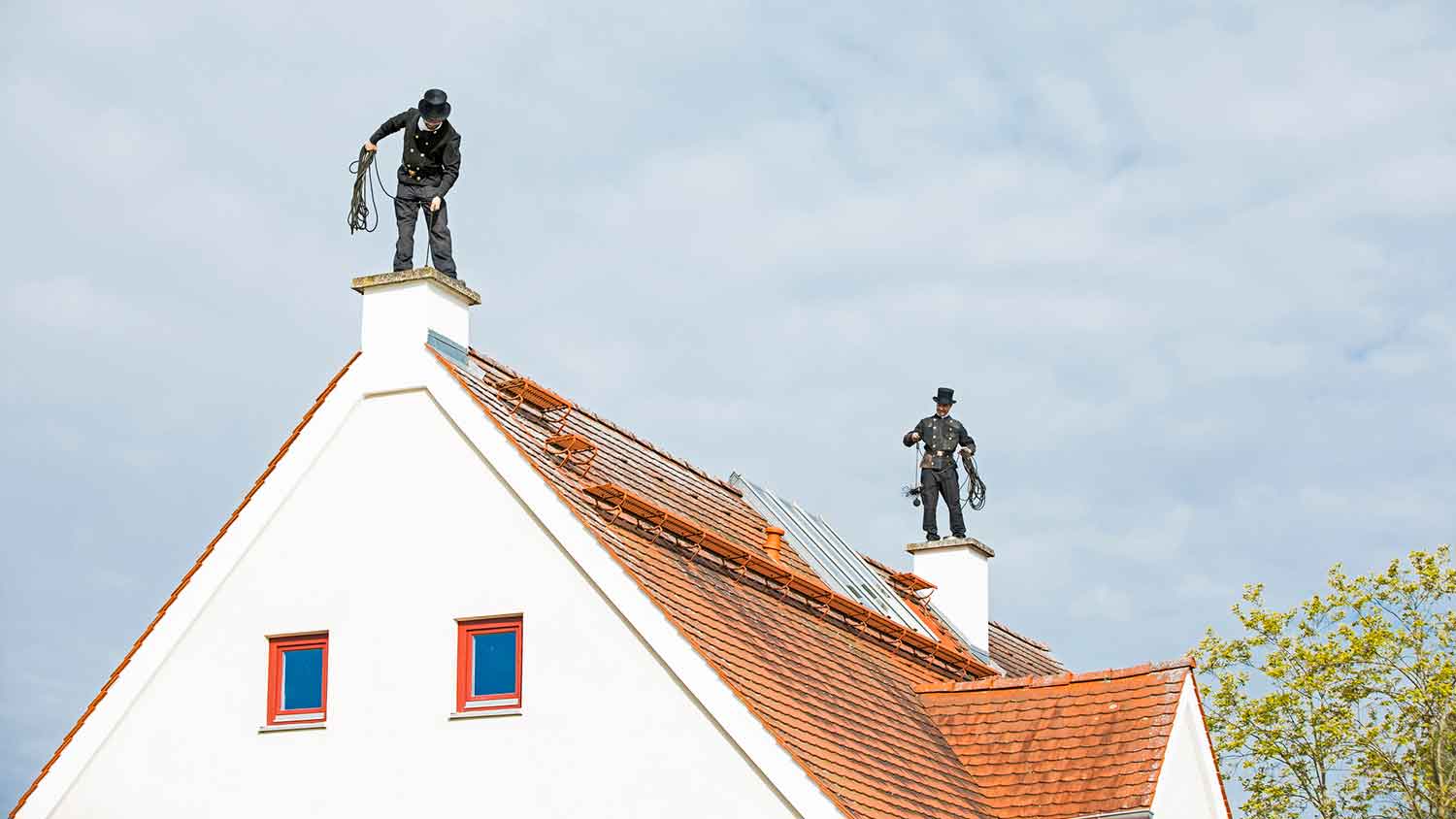
Neglecting to clean your chimney can lead to serious safety hazards. A primary risk is the buildup of creosote, a highly flammable substance that can ignite and cause a dangerous chimney fire. This buildup can also create blockages in the flue, resulting in poor venting of smoke, soot, and toxic gases like carbon monoxide, which can then enter your home and create dangerously poor indoor air quality. Additionally, creosote is acidic and can damage the chimney's mortar and metal components over time, potentially allowing smoke to leak into your house. To prevent these issues, it is essential to schedule an annual chimney cleaning with a professional.
Burning a single palm tree stump, if you’re careful, is technically doable DIY. However, you should always take precautions to control the fire and do research if you’re burning multiple types of trees.
Some trees, such as ornamental trees, black cherry, and some oak trees, release toxins into the air when burned that can be irritating to your lungs (or even dangerous) to breathe in.
You may need to replace drywall because of smoke damage. If the drywall is covered in soot, you may be able to clean it, but it will require a lot of time and effort. You could spend hours cleaning the drywall only to find there is more damage and it needs to be replaced anyway. It’s usually easier and safer to remove the smoke-damaged drywall and replace it.
Costs range from $1,000 to $10,000, depending on the extent of the damage and affected areas.
Costs depend on stone type, surface condition, labor, and whether sealing or deep cleaning is required.
The Stephen, MN homeowners’ guide to chimney sweeping services
From average costs to expert advice, get all the answers you need to get your job done.
Your chimney sweep may not wear a top hat and dance on the ceiling, but they will keep your home safe by providing chimney inspections and cleanings. Follow these steps to learn how to hire a qualified and trusted chimney sweep in your town.
A clean chimney can reduce your risk of poor indoor air quality and house fires. Use this guide on how to clean a chimney to keep you and your family safe.
Knowing what to look for in a professional chimney sweeping service will ensure you hire a legitimate contractor. Learn how to avoid chimney scams and hire someone reputable.
Regular chimney cleaning keeps your fireplace running safety and efficiently. But who cleans chimneys? Our guide explains which pro is best for the job.