Costs depend on the extent of damage, material restoration, labor, and emergency service requirements.
The first thing you should do when cleaning smoke damage is open all your windows to ventilate the affected area and run an air purifier with a HEPA filter. Cover your furniture and belongings to prevent soot accumulation, and vacuum any soot that’s on the floor and other surfaces. Be sure to wear a mask, gloves, and eye protection when cleaning the affected area.
Depending on who’s doing the estimating, about 22,000 to 25,000 chimney fires happen each year in the United States. Given the fact that millions of Americans have fireplaces (and chimneys), that means chimney fires aren’t exactly common—but they’re not rare, either. Since they’re so dangerous, it’s important to take precautions to prevent them.
Neglecting to clean your chimney can lead to serious safety hazards. A primary risk is the buildup of creosote, a highly flammable substance that can ignite and cause a dangerous chimney fire. This buildup can also create blockages in the flue, resulting in poor venting of smoke, soot, and toxic gases like carbon monoxide, which can then enter your home and create dangerously poor indoor air quality. Additionally, creosote is acidic and can damage the chimney's mortar and metal components over time, potentially allowing smoke to leak into your house. To prevent these issues, it is essential to schedule an annual chimney cleaning with a professional.
It depends. For new ovens, it’s best to run a few empty cycles to prepare the oven for use and to keep any manufacturing byproducts from entering your food. But if your oven is smoking due to a few burnt pieces of old food, then it probably won’t hurt to eat it. If there’s a lot of smoke, then your food probably won’t taste good, even if it might not be harmful to consume.
The Greenbush, MN homeowners’ guide to chimney sweeping services
From average costs to expert advice, get all the answers you need to get your job done.
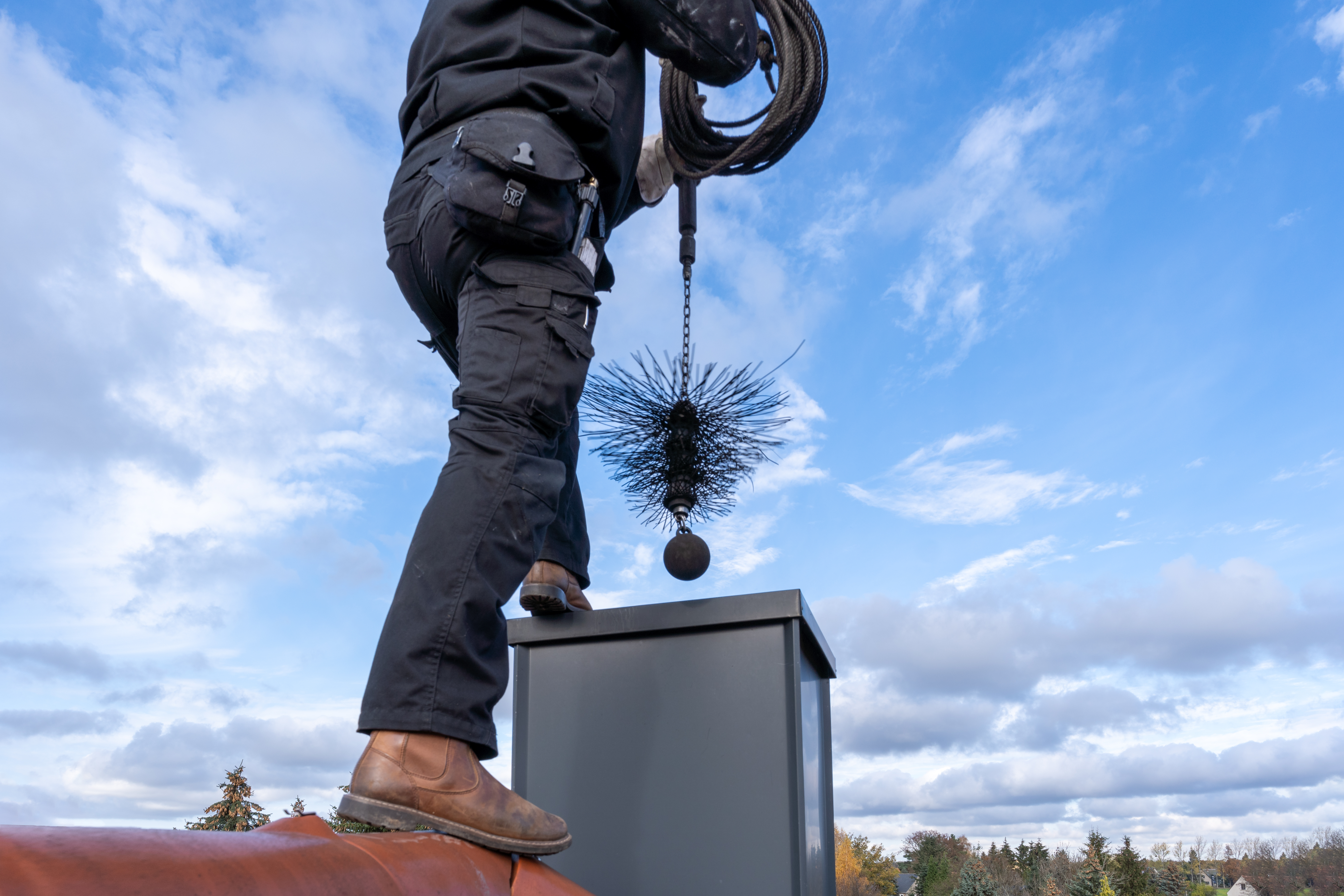
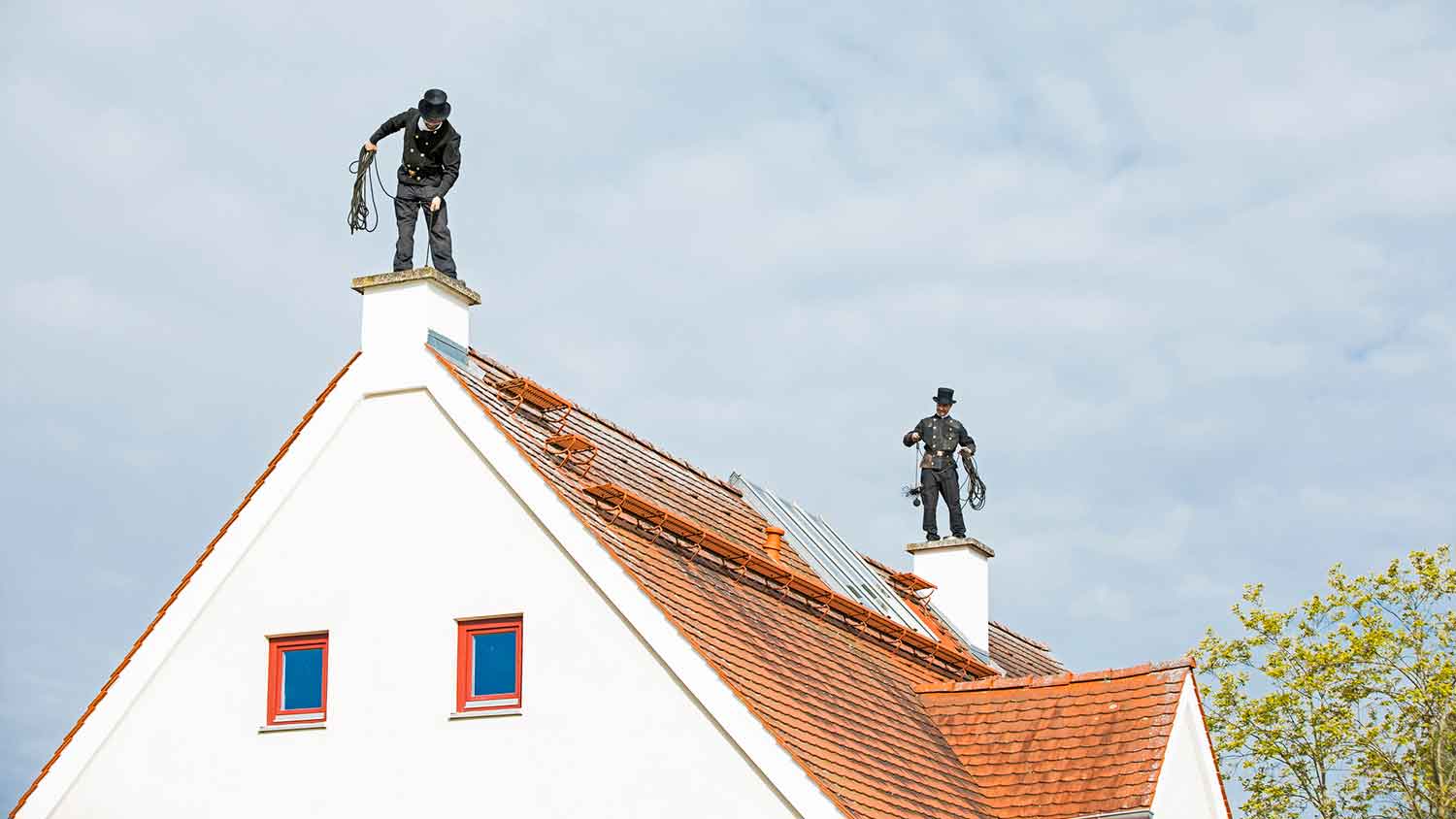
Your chimney sweep may not wear a top hat and dance on the ceiling, but they will keep your home safe by providing chimney inspections and cleanings. Follow these steps to learn how to hire a qualified and trusted chimney sweep in your town.
A clean chimney can reduce your risk of poor indoor air quality and house fires. Use this guide on how to clean a chimney to keep you and your family safe.
Knowing what to look for in a professional chimney sweeping service will ensure you hire a legitimate contractor. Learn how to avoid chimney scams and hire someone reputable.
Regular chimney cleaning keeps your fireplace running safety and efficiently. But who cleans chimneys? Our guide explains which pro is best for the job.