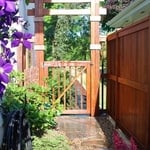
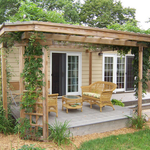
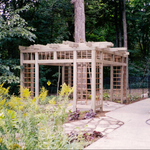
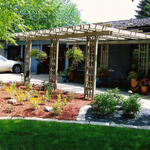
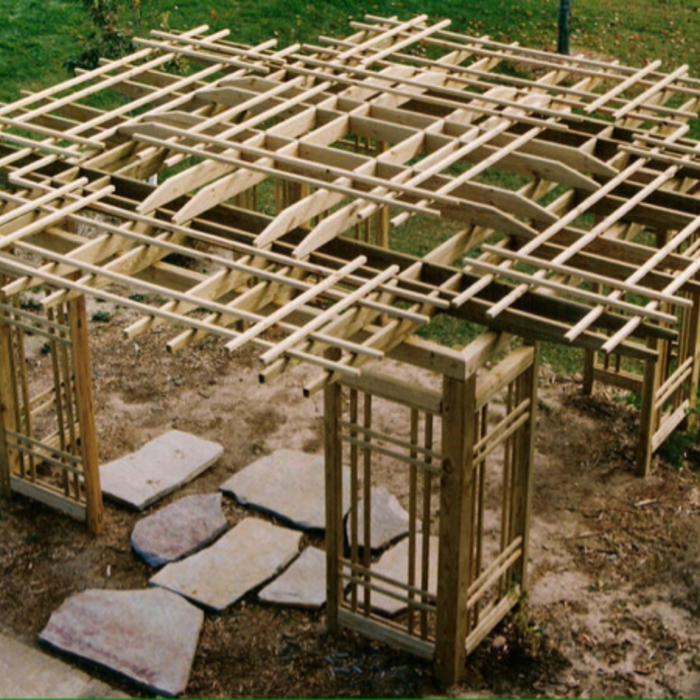
"One structure in the form of a arbor with a gate completed our fence. The other structure a small deck outside of the lower sliding glass doors, with a pergola added, gives a quiet shady respite to the yard. We also had Hal design and build a fountain feature added to the garden area itself. Which gives a soft and flowing water sound near the small deck. The work overall is outstanding with a very finished look. It was also accomplished as per estimate of time and cost. They were very considerate to make the work space neat and clean each day at finish time.
We would "highly" recommend these contractors to anyone wanting this type of excellent yard work done. "
"He and his workers came to the job quickly. They advised and helped with the supplies and worked steadily until the job was finished. I recommend them to anyone."
With over 35 years of experience in the home improvement industry, Petit Landscaping, is your industry expert in Clearbrook and the surrounding areas. We pride ourselves on our extreme professionalism and attention to detail. Our customer satisfaction guarantee will assure you we will not leave your property until you are completely satisfied with our work. You can trust that we will treat your home as we would treat our own. Give us a call today we look forward to working with you!
Tony's Handyman Service My name is Tony Romanelli.I was born in St.Paul,MN.I have lived in the Grand Rapids area all my life. \n I have been doing carpentry work since i was fifteen years old. With my dad, after school.I have built custom decks,additions,sheds,roofing,siding etc.I live by my dad's rule,if you can't do the job right then don't do it at all.I guarantee all my work!
RIJO Enterprises, Inc., is here for you! Customer service is our number one priority and we believe that leaving a happy client is the only way to run a business. Give us a call today!
We take great pride in our experience, expertise, quality, and customer service that we provide to meet the consumer's needs. It is our mission to provide excellent workmanship and complete customer satisfaction from start to completion of a project. In order to understand the needs and expectations of our customers, we take great care to work and communicate with every customer in a professional manner. Our reputation is based on service, safety, and quality, regardless of how large or small the job.
Here at Corey's Handyman Services we sustain our business on quality and integrity. We are experts in our trade and our commitment to quality from beginning to end of your project. We look forward to earning your business. Call us anytime with any questions you may have. Thanks for your time and have a great day.
Dondi is committed to excellence in every aspect of our business. We uphold a standard of integrity bound by fairness, honesty, and personal responsibility. Our distinction is the quality of service we bring to our customers. Accurate knowledge of our trade combined with ability is what makes us true professionals. Above all, we are watchful of our customers' interests, and make their concerns the basis of our business.
How much does a privacy fence cost? Stockade fences cost $12 to $13 per linear foot for materials. You may find fencing that costs less, but it’s likely wholesale wood manufactured using young trees. Fencing materials made with young trees are less durable than those made with mature trees.
For installation, expect to pay $30 to $80 per hour. Installing a 150- to 200-linear-foot fence takes 20 to 35 hours, which comes to about $600 to $2,800 for labor.
Yes, in many cases, homeowners insurance covers the cost to repair or replace a fence. Home insurance policies typically protect your home and other structures on your property, which often includes fences. If the fence is damaged by a covered event, such as a storm, fire, or vandalism, your insurer may cover some or all of the cost. However, coverage does not extend to damage caused by natural wear and tear, owner negligence, insufficient maintenance, or improper installation.
Green branches are more flexible and easier to work with, but they'll shrink as they dry, which can loosen your fence weave over time—so you'll need to weave them extra tight to account for shrinkage. Some species, particularly willow, may also try to sprout when used green. For these reasons, it’s typically easiest to use branches that have dried for a week or two.
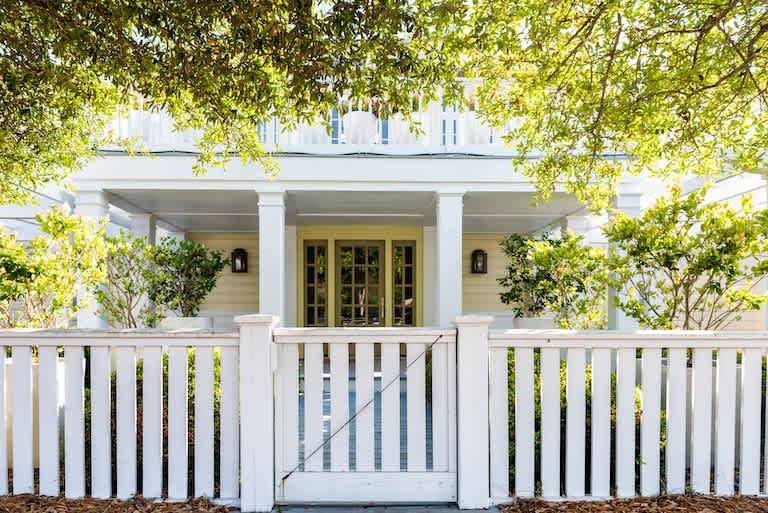
Yes, in most places. A front yard fence is allowed by local zoning laws more often than not, but it always helps to check before building just to make sure. There may be restrictions around how tall the fence can be, what it can be made from, or where it can be built.
The standard height for a split rail fence is three or four feet. This height requires two to three horizontal rails, making it ideal for homeowners wanting a budget-friendly split rail fence. If you’re hoping to contain agile livestock or animals like dogs, geese, or goats, you may prefer to install a six-foot tall fence with four or five rails or a four-foot-tall fence with three horizontal rails. This will help prevent animals from climbing, crawling, or jumping through the rails.
The Red Lake, MN homeowners’ guide to fencing services
From average costs to expert advice, get all the answers you need to get your job done.
Chain-link fences are among the most affordable options available. Use this chain link fence cost guide to see what your fence installation will total.
Fence repair costs depend on the extent of damage, your fence's material, and how much of the fence you need to fix. Explore all the price factors in this guide.