





Top-rated heating and air conditioning pros.

Get matched with top heating and air conditioning pros in Mapleton, MN

Enter your zip and get matched with up to 5 pros

Need a pro for your heating and air conditioning service project in Mapleton, MN?

Select your specific project to find the pro for you.

TRUSTED BY MAPLETON, MN HOMEOWNERS

  • Average homeowner rating star icon4.3
    Average homeowner rating
  • Verified reviews icon41
    Verified heating and air conditioning services reviews
Heating and Air Conditioning questions, answered by experts

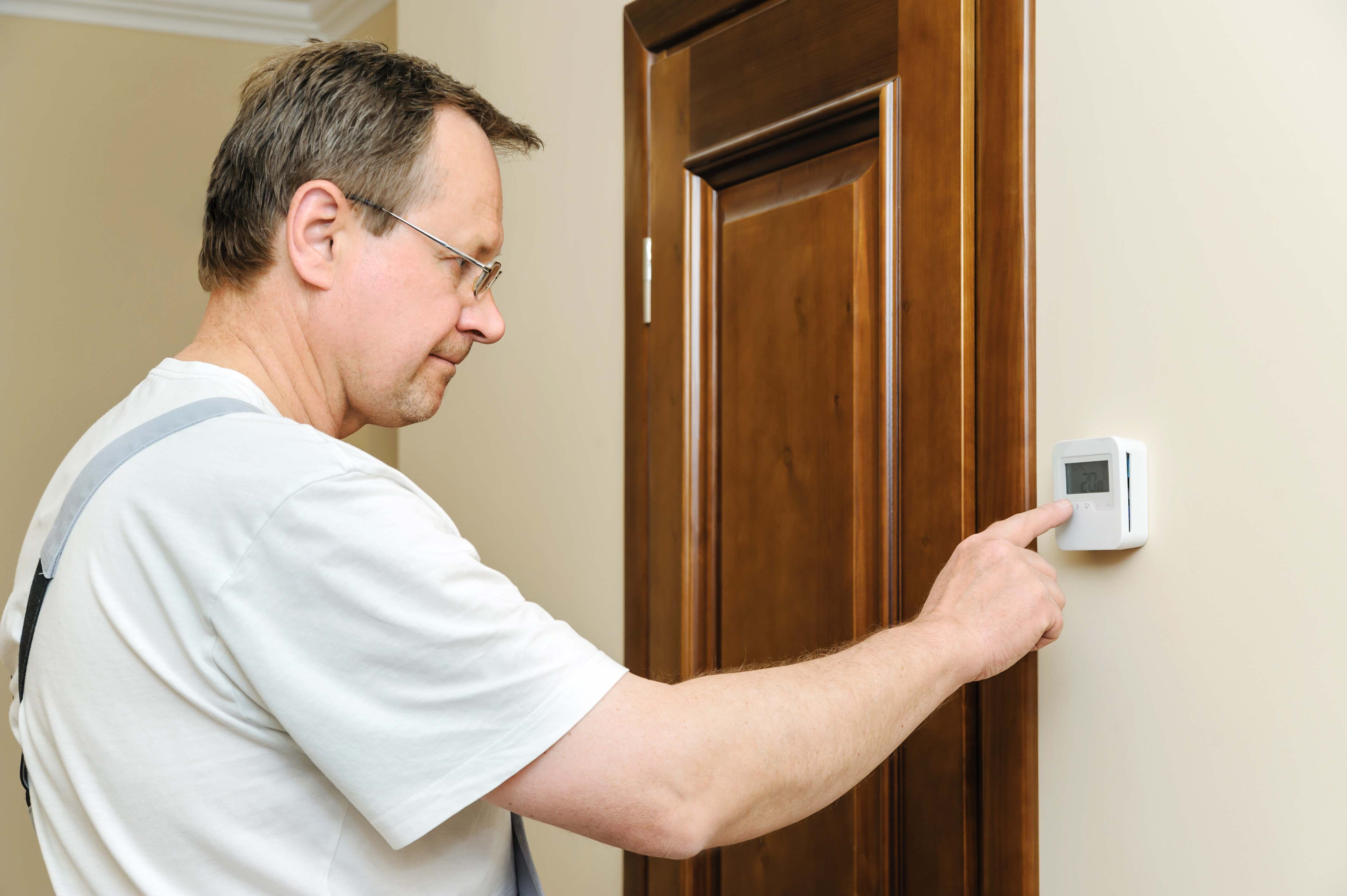
When faced with HVAC issues, it's best to begin by ensuring the thermostat settings are correct for either heating or cooling. If the system isn't responding, check the thermostat for proper function and power supply. It's also important to examine air filters, as clogged ones can decrease performance. Confirm the power supply to the system by checking the circuit breakers and fuses. If these basic steps fail to resolve the issue, contact an HVAC professional for a more detailed diagnosis and repair.

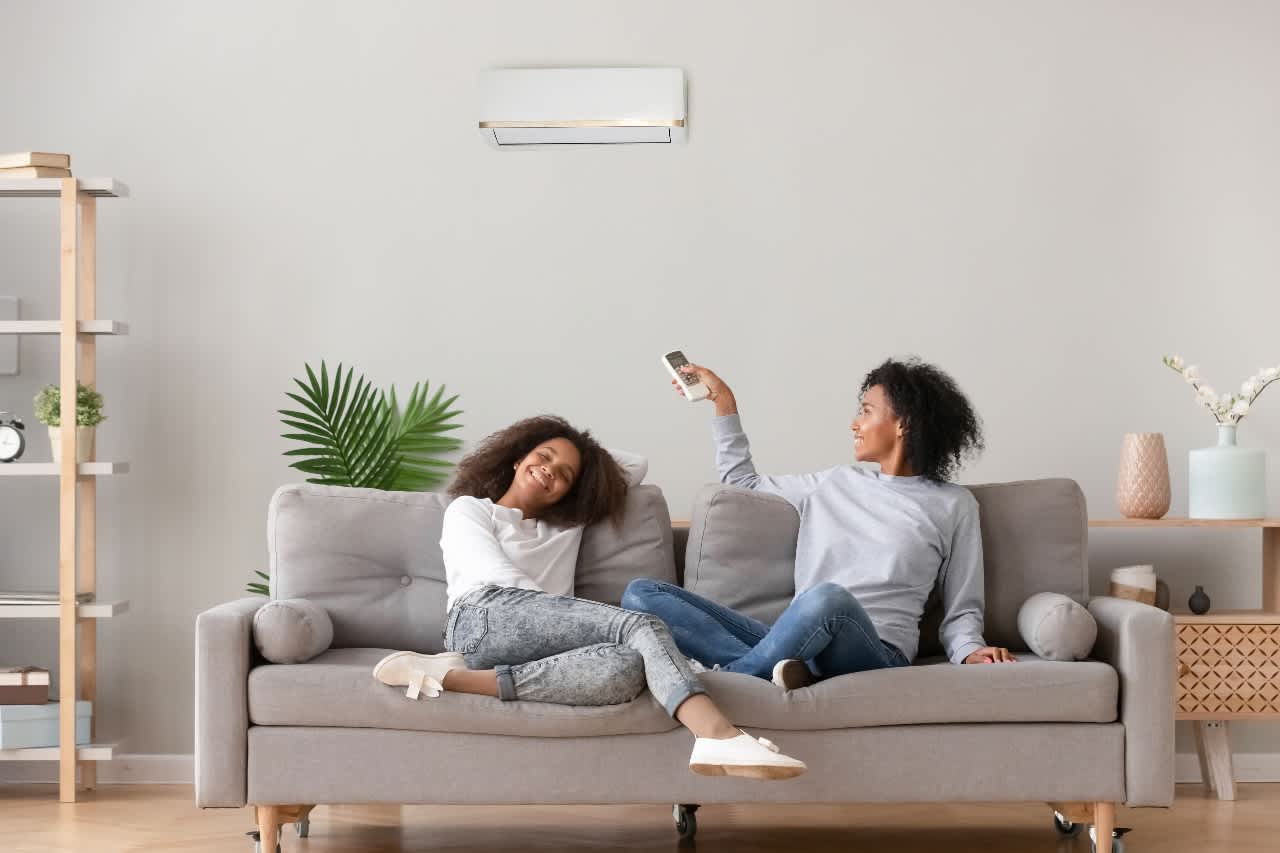
Window ACs use 500 to 1,400 watts per hour of electricity, while mini-splits use 500 to 700 watts per hour. However, if you need to cool multiple zones in your house, your mini-split can use as much as 2,000 watts per hour. How often you run your system will impact how much electricity you use (and how much you pay per month).

An HVAC system typically lasts between 10 and 30 years, with an average lifespan of 15 to 25 years. The longevity of the system is influenced by factors such as the quality of the unit, usage frequency, local climate, and how well it is maintained. Regular maintenance, including cleaning, filter replacements, and professional inspections, can help maximize its lifespan. Different components within the system have varying life expectancies. For example:

  • Furnaces: 15 to 30 years

  • Boilers: 20 to 35 years

  • Air Conditioners (AC units): 12 to 20 years

  • Heat Pumps: 10 to 20 years

  • Ductless Mini-Splits: 10 to 30 years

Because of the improved efficiency, ACs with higher SEER ratings tend to cool down your home better than models with a lower SEER. Higher-SEER AC units have a higher cooling capacity and a lower energy demand, meaning they may help cool your space faster without running up the electricity bill.

It is normal for the attic to be hotter than the rest of the house in the summer, but only by about 10 or 20 degrees. Attics that aren’t properly insulated or ventilated can reach temperatures of 130 degrees or more which can cause damage to the home’s structure, including the roof, wood framing, and HVAC system.

The Mapleton, MN homeowners’ guide to heating and air conditioning services

From average costs to expert advice, get all the answers you need to get your job done.

What do you need done? We’ll find top pros.
  • 🌱 "Mow a small front yard"
  • 🛠 "Fix a leaking pipe under the sink"
  • 🏠 "Repair shingles on an asphalt roof"