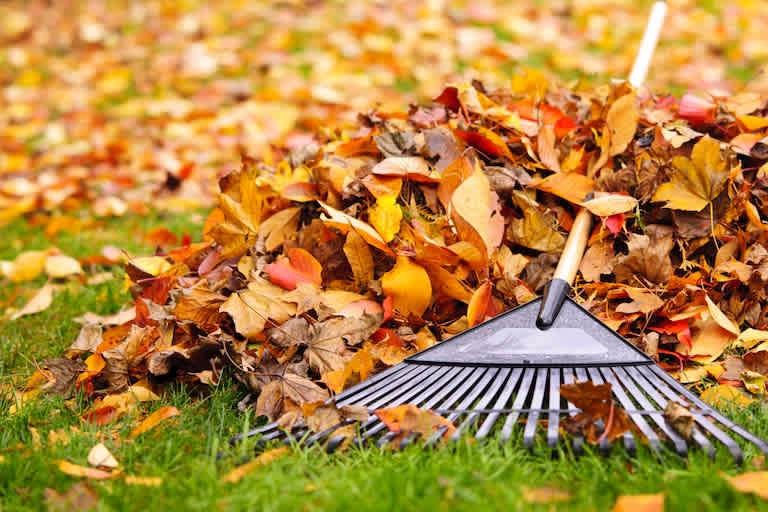



Top-rated leaf removal pros.

Get matched with top leaf removal pros in Lake Elmo, MN

Enter your zip and get matched with up to 5 pros

Need a pro for your leaf removal project in Lake Elmo, MN?

Select your specific project to find the pro for you.

TRUSTED BY LAKE ELMO, MN HOMEOWNERS

  • Average homeowner rating star icon4.5
    Average homeowner rating
  • Verified reviews icon97
    Verified leaf removal services reviews

Find Leaf removal pros in Lake Elmo

Avatar for P.H.M. INC. dba MURPHYS LAWN & LANDSCAPING
P.H.M. INC. dba MURPHYS LAWN & LANDSCAPING
4.6(
85
)
Lawn Care - Maintain and Mow a Lawn

Serving Lake Elmo, MN and surrounding areas

Approved

In business since 1984

Free estimates

Warranties offered

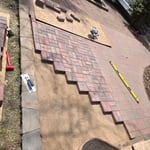
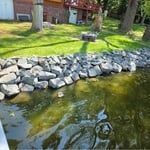
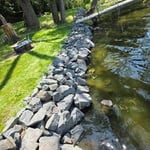
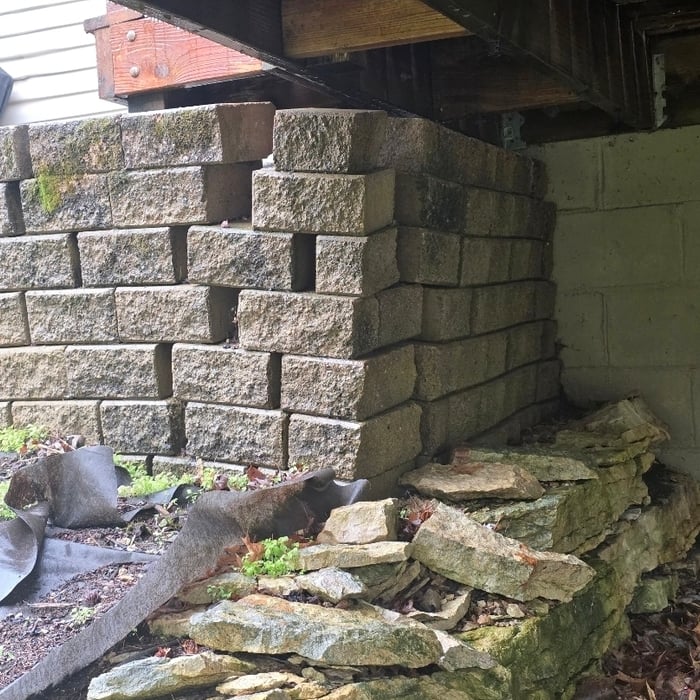
"I hired Murphy's Lawn and Landscape to replace my backyard patio and repair an adjoining rock wall. The craftsmen who worked the job were attentive to our requests (protect our lawn, respect our neighbors property etc..). The patio and rock wall were done with excellent quality. The communication with Pat was excellent. The job was done on time and as expected."
24 neighbors recently requested a quote
Recommended by94%of homeowners
...
Showing 1-10 of 314
Leaf Removal questions, answered by experts

Lead exposure poses significant health risks, including neurological, developmental, and behavioral disorders, especially critical in young children and fetuses.

No, you can’t place hazardous waste in a dumpster unless you specifically ordered a dumpster for hazardous waste removal. If the dumpster company finds hazardous waste that it didn’t approve for dumping, the company will return the waste to you, and you’ll likely face a fine for illegal dumping.

According to the Environmental Protection Agency (EPA), hazardous waste is generally classified into four main categories:

1. Characteristic Wastes: These exhibit at least one of four hazardous traits: ignitability (flammable, like gasoline), corrosivity (can rust or decompose materials, like car batteries), reactivity (unstable and can explode, like aerosol cans), or toxicity (harmful when ingested, like lead-based paint).

2. Listed Wastes: These are specific wastes from manufacturing and industrial processes that the EPA has officially designated as hazardous. They include byproducts from processes that use solvents, pesticides, and other chemicals.

3. Universal Wastes: These are commonly generated hazardous items that are subject to streamlined regulations. Examples include batteries, pesticides, mercury-containing equipment (e.g., bulbs), and some lamps.

4. Mixed Wastes: This category includes waste that contains both hazardous and radioactive components, making it subject to regulation by both the EPA and the Nuclear Regulatory Commission.

While not all homes built before 1978 contain lead paint, enough do, so you’ll still want to test to be on the safe side. The federal government banned lead-based paint for homes in 1978, but your state may have banned lead before that time. Around 24% of homes built between 1960 and 1977 contained lead-based paint, while 87% of homes built before 1940 contained lead-based paint.

The best disposal method for hazardous waste is recycling or donation, if possible. That way, the world can reduce its consumption of raw materials and the volume at which materials have to be treated and disposed of. If recycling or donation is not an option, most waste can be disposed of through landfills or incinerators, but their collection and treatment are separate from regular day-to-day waste disposal. 

The Lake Elmo, MN homeowners’ guide to leaf removal services

From average costs to expert advice, get all the answers you need to get your job done.