






Red River Excavating, LLC
Building Site - Preparation and ClearingBuilding Site - Preparation and Clearing - For BusinessExcavation - Major Grading or Resloping+2 more
Serving Hatton, ND and surrounding areas
Recommended by100%of homeowners

*The Angi rating for Excavation companies in Hatton, ND is a rating based on verified reviews from our community of homeowners who have used these pros to meet their Excavation needs.
*The HomeAdvisor rating for Excavation companies in Hatton, ND is a rating based on verified reviews from our community of homeowners who have used these pros to meet their Excavation needs.
Last update on July 12, 2025
Serving Hatton, ND and surrounding areas
Serving Hatton, ND and surrounding areas
In business since 2009
Free estimates
Emergency services offered
"From start to finish, Kevin and his crew are the best in the business. Very thorough communication and seeing things through to the end. Kevin is very attentive to concerns and very reassuring. Nobody in this company’s line of work could possibly match what drain services has going on. They have a great culture. Strongly recommend."
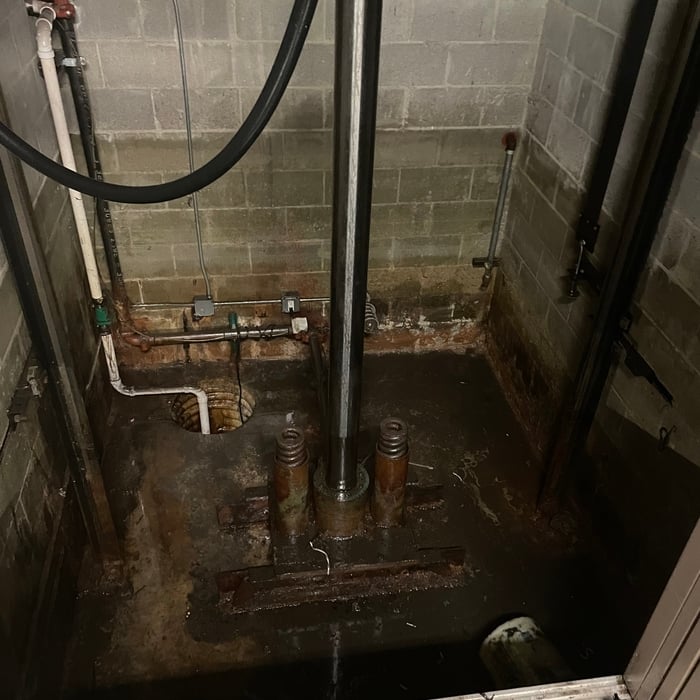
+16
Serving Hatton, ND and surrounding areas
In business since 2000
Free estimates
Emergency services offered
"I hired him for dirt work and he did an exceptional job! His clean-up is always outstanding. I have worked with him for many years and he has a lot of experience!"
Serving Hatton, ND and surrounding areas
In business since 2003
Sobolik Excavation and Draingage LLC is committed to excellence in every aspect of our business. We uphold a standard of integrity bound by fairness, honesty and personal responsibility. Our distinction is the quality of service we bring to our customers. Accurate knowledge of our trade combined with ability is what makes us true professionals. Above all, we are watchful of our customers interests, and make their concerns the basis of our business.
Serving Hatton, ND and surrounding areas
In business since 2010
Free estimates
Offers commercial services
"It was great to work with, had fair pricing, and I have used it a couple of times already. I am very satisfied with the work they have done."
Serving Hatton, ND and surrounding areas
In business since 2017
Free estimates
TMP Dirtwork and Snow Removal 10 years of \nsalt driveways\none man show \nno middle man\nQuality\nMilitary discount 10% \nfull time job- is he quitting?\nlaid off in the winter- working for someone else -- ready to work for self\nlandscaping- patio edging ---\nfound us online \nsnow removal- now\n7-6 hours emergency
Serving Hatton, ND and surrounding areas
In business since 2025
Free estimates
Credit card accepted
At CLM, we take tremendous pride in delivering a high-quality experience for each and every one of our clients. We offer a full range of contracting services including interior, exterior and property-related work. Call us today to learn how we can help turn your vision into a reality.
From average costs to expert advice, get all the answers you need to get your job done.

Excavation costs $1,500 to $6,300 for most residential projects—but it depends on factors like the size of the area. This guide will help you plan a budget.

Preparing for a big excavation project in your yard? Find out excavator rental prices by type, project size, and more to budget for your project.

You can't have an in-ground pool without digging into the ground. How much does pool excavation cost, and can you take it on yourself? Our guide explains.

Can you excavate in the winter? Sometimes, but it’s complicated. Find out the pros, cons, and steps for planning a winter excavation project.

Discover what excavation is, the different types, and when it's needed in construction. Learn key insights for your next big home project.
Planning a backyard overhaul? Learn about grading and excavation costs, site preparation steps, and how to hire the right local pro for your project.