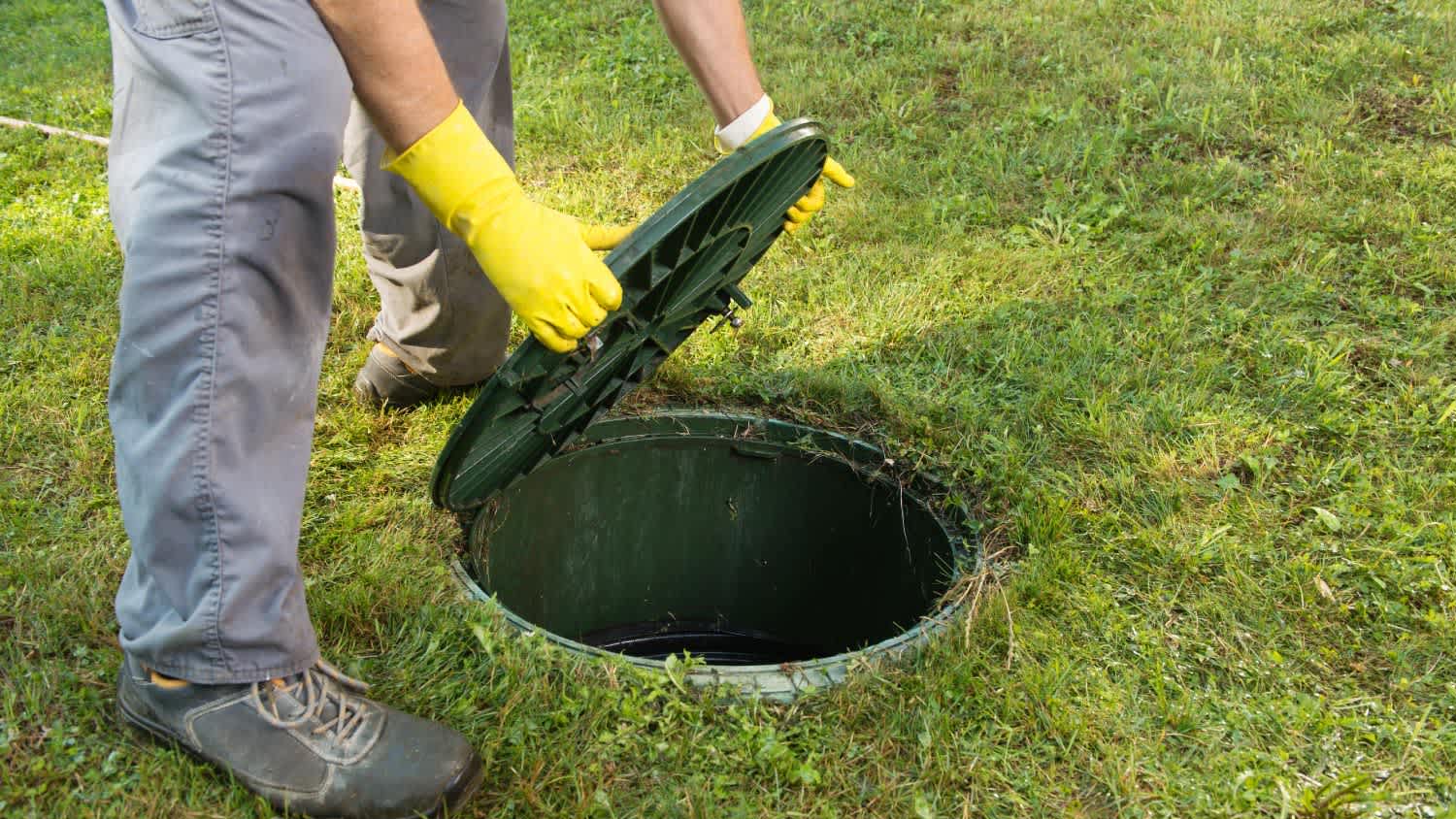









Depending on the size of your home, the inspection process could take a few hours or a few days. While inspecting your home, the asbestos specialist will take small sections of the potentially contaminated material. They will then send the sample to an accredited laboratory or the local health department for testing.
The cost of asbestos testing depends on your location, the home's size, and the testing area's complexity. Plan to spend between $230 and $800 for testing. During testing and while handling potential asbestos, the specialist may wear protective gear, including gloves, overalls, appropriate footwear, and respiratory equipment.
The signs of asbestos exposure are often subtle and may not appear for many years, or even decades, after initial contact. This long latency period is one of the primary dangers associated with asbestos.
When symptoms do manifest, they can include:
Shortness of breath
A persistent, dry cough
Chest pain or tightness
Fatigue
Wheezing
Weight loss
Difficulty swallowing
A dry, crackling sound from the lungs when breathing
These symptoms are non-specific and can be mistaken for other respiratory conditions, making diagnosis challenging. Prolonged exposure can lead to serious diseases as the asbestos fibers cause scarring and inflammation in the lungs. These conditions include asbestosis, lung cancer, and mesothelioma.
Due to the vague nature of early symptoms, regular medical check-ups are crucial for anyone with a known history of asbestos exposure, particularly in an occupational setting. If you suspect asbestos is present in your home, a professional inspection is recommended.
Asbestos can be found in many building materials, especially if the materials were installed more than 20 years ago.
Asbestos-containing materials (ACM) can include:
Acoustic ceiling tiles
Furnace insulation
Home appliances
Fire-retardant clothing
Cement pipe
Pipe insulation
Wall and ceiling insulation
Vehicle brake pads
Vinyl flooring
Sprayed acoustic ceilings
Stove insulation
Patching compounds
Textured paints
Roofing shingles
Siding
Unlike some home problems, such as water damage or pest infestations, asbestos can be very difficult to spot. Asbestos is a mineral in the form of microscopic fibers and was previously used in building materials for its bonding and fireproofing abilities. Insulation, roof shingles, ceiling tiles, floor tiles, pipe wrappings, soundproofing materials, and textured paint features like popcorn ceilings are common sources of asbestos, particularly in homes built before 1980.
Age is perhaps the biggest indicator of asbestos, as legislation passed in the 1970s labeled asbestos as dangerous and regulated its use in building materials. Signs of age in the form of wear and tear or material degradation are also indicators that asbestos fibers may be leaking into the air, but ultimately, it’s difficult to detect with the naked eye. If you have reason to suspect asbestos in your home, it’s best to hire a certified asbestos inspector.
Asbestos fibers can stay airborne for 48 to 72 hours, depending on the home's ventilation. Fibers can linger longer in enclosed spaces with poor airflow. Because the fibers are microscopic, they can easily remain suspended, making them difficult to detect without professional equipment.
The Grand Rapids, MN homeowners’ guide to percolation testing services
From average costs to expert advice, get all the answers you need to get your job done.
Dry wells are handy for anyone who’s experiencing drainage problems. But dry well installation costs can vary depending on its size, location, and volume.
The time it takes to replace a septic tank depends on a few factors. Sometimes the fix is simple, but even if it’s not, here’s how long it takes to replace a septic tank.