An herbicide with glyphosate, imazapyr, or triclopyr kills ivy the fastest. Herbicides inhibit photosynthesis and cell division. They kill the roots and prevent ivy from regrowing. You should apply herbicide to the cut stems and roots of ivy. You can also spray herbicide on the leaves of ivy, but be sure not to spray nearby trees and plants as it can cause them harm.
To remove a shrub, start by cutting back the shrub using pruning shears, loppers, or a chainsaw. Next, dig around the base of the shrub with a pointed shovel to expose its root system. Then, use a shovel or a mattock to loosen the roots, making it easier to pull or lift the shrub from the ground. For larger shrubs or stubborn root systems, attaching a chain or strap to the base and using a vehicle to pull it out can be effective. Ensure proper disposal of the shrub and its debris following local waste disposal guidelines.
The most common alternative is burning the stump first, then dealing with the cinders and ashes. As you can imagine, this option creates fire hazards, especially since roots can burn underground, hidden, for long afterward. That’s why many states and cities have outlawed the use of stump burning entirely. We do not recommend this option as a viable alternative unless you get a permit from the local fire department and practice all safe burning procedures.
Others prefer a more long-term DIY approach of degrading the stump with home mixtures like Epsom salt and vinegar injected directly into it. This may help the stump decay faster, allowing homeowners to dig it out themselves, but it’s still a lengthy process. It usually takes months for a stump to start falling apart with such treatments, and in the meantime, it can be vulnerable to rot, insects, and other problems.
In general, you can prune up to one third of the height of most shrubs without damaging them. There are a few exceptions to this rule: Pine shrubs, for example, can’t be trimmed below the point of new growth without damaging them.
You can choose between weekly leaf removal services throughout the fall or a single cleanup at the end of the season. If you want to maintain a pristine lawn, weekly service is a good idea to keep up with falling leaves. Alternatively, if you prioritize saving money, you can wait until all or most of the trees on your property are bare and pay for a one-time service. In most areas, this is typically in early to mid-November. While a single service is more budget-friendly, your yard will not remain leaf-free for the entire season.
The Garfield, MN homeowners’ guide to brush chipping services
From average costs to expert advice, get all the answers you need to get your job done.
The cost of a tar and chip driveway falls between gravel and asphalt. Is this unique process the happy medium you've been looking for? Let's take a look.
Does your toilet water rise and then slowly drain? Find out common reasons why this is happening and how to fix them to get your toilet up and running again.
Revitalize your stainless steel with a fresh coat and color of paint. Find out how to paint stainless steel and create a new look for your appliances or countertops.
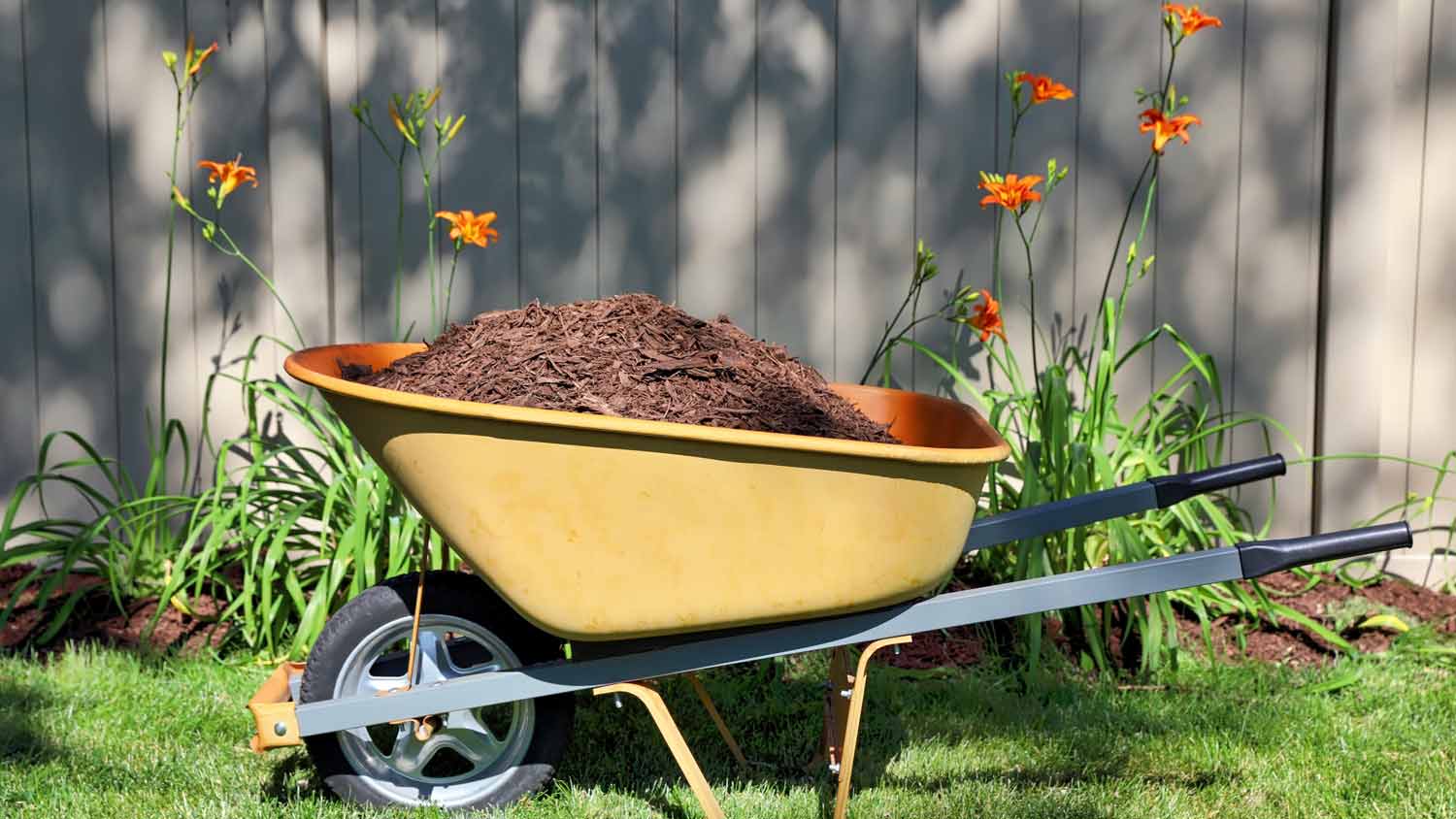
What’s the debate between wood chips vs. mulch? Wood chips are pieces or shredded wood from the interior of a tree trunk, while mulch can be made from a variety of materials.

 4.2
 46