






Top-rated energy efficiency auditors.

Best energy efficiency auditors near Cedar, MN

Enter your zip and get matched with up to 5 pros

Need a pro for your energy efficiency auditing project in Cedar, MN?

Select your specific project to find the pro for you.

Top-Rated Energy efficiency auditors in Cedar - Updated Nov 2026

Avatar for Hoffman Weber Construction
Hoffman Weber Construction
4.3(
337
)
Energy Audit - For BusinessHome Energy Audit

Serving Cedar, MN and surrounding areas

In business since 1992

Free estimates

Credit card accepted

"I contacted HW as a possible backup contractor. Even with that understanding, Al Lien came and independently reviewed the damage and said HW would be happy to hold their position as a contingent contractor. Very impressed with their forthright attitude and professionalism. Other contractor did come through. But I am certain I will use HW in the future. Thanks Al!!"
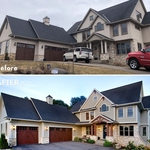
2020 NARI MN CotY Silver Award Winner
2015 COTY Award Winning Exterior
CertainTeed Restoration Classic Siding and GAF Timberline HD Roofing
Certainteed Restoration Classic Vinyl Siding and GAF Timberline HDZ Roofing
James Hardie HardiePlank Cedarmill Lap Siding, Hardie Board and Batten Siding, and HardieShingle Siding

+278

Recommended by85%of homeowners

Energy Efficiency Auditing FAQs, answered by experts

If you want a new boiler that’s going to help lower your fuel bills, you should buy one that has a high energy-efficiency rating. For example, a boiler that is rated “A” uses at least 90% of the energy created by the boiler. And in order to enjoy the best performance, it’s important to have it installed properly by a highly-rated tech.

To determine the right size generator for your house, you should calculate the total wattage of the appliances and devices you want to power during an outage. List all essential items, note their start-up wattages, and add them together.

Here are some typical wattage requirements for common appliances:

  • Refrigerator: 600 watts

  • Large dehumidifier: 700 watts

  • Large window air conditioner: 1,400 watts

  • Water heater: 3,000 to 4,500 watts

  • Electric furnace: 5,000 to 25,000 watts

A 7,500-watt generator might be sufficient for essentials like a refrigerator, freezer, well pump, and lighting circuits. However, for high-demand items like a water heater or furnace, a whole-home generator is a better choice. A portable generator may be enough if you only need to power a few critical items.

While home square footage can offer a rough estimate, it is not always a reliable indicator. For reference, here are some typical generator sizes based on square footage:

  • 1,000 sq ft: 6–9 kW

  • 1,500 sq ft: 7–10 kW

  • 2,000 sq ft: 10–14 kW

  • 2,500 sq ft: 12–16 kW

  • 3,000 sq ft: 16–20 kW+

For the most accurate sizing, consult a professional who can calculate your home's peak and average power consumption and recommend the optimal generator.

There are several signs that your house might have poor ventilation, including lingering odors, condensation on your windows, or mold and mildew. Your home may also feel stale and stuffy, or you might have trouble maintaining a comfortable temperature in your home. On top of that, you might develop allergy symptoms, such as sneezing, coughing, or headaches.

The extra insulation helps reduce energy costs by minimizing drafts and temperature exchange between indoors and outdoors.

Motion-sensor lights use one watt while on standby and five watts while turned on. They’re usually on for one hour over a 24-hour period, bringing the total wattage to about 28 watts per day. LED lights use around 6.5 to 8 watts while on. If you leave an LED light on all night, with night ranging from 10 to 14 hours, you’re looking at using 65 to 112 watts a night. You can minimally cut your wattage in half by switching to a motion-sensor light.

The Cedar, MN homeowners’ guide to energy efficiency auditing services

From average costs to expert advice, get all the answers you need to get your job done.