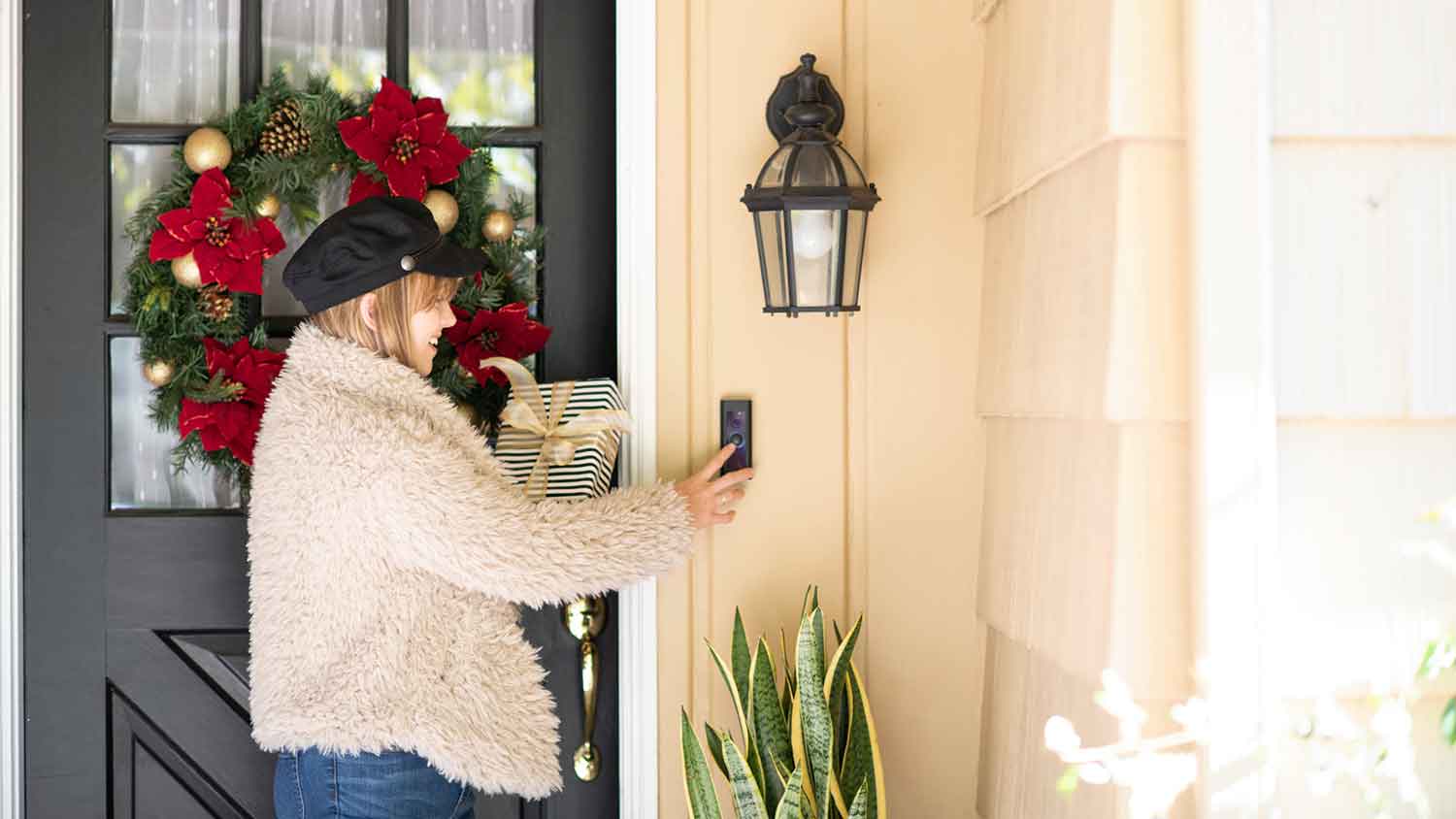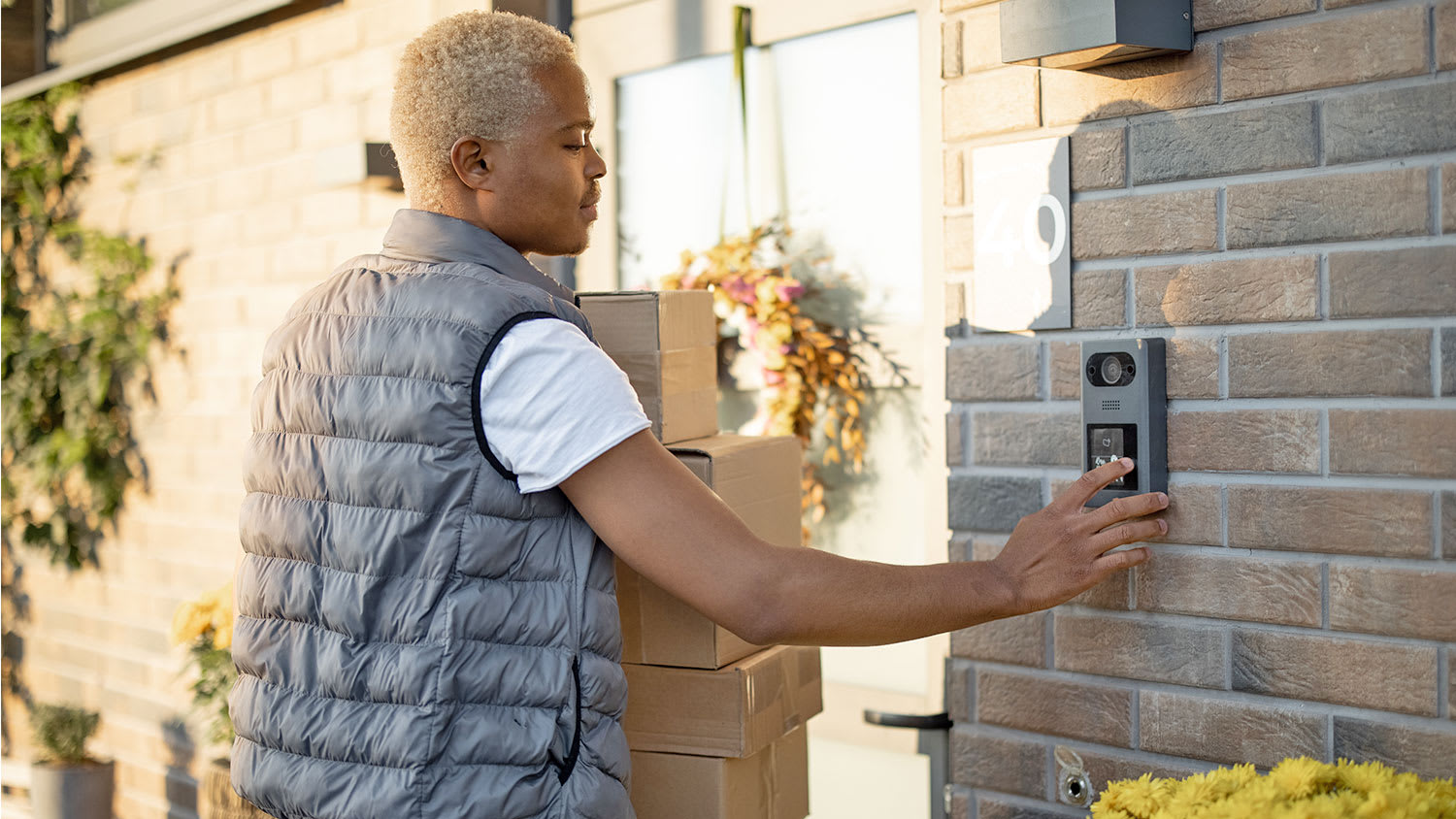
Doorbell Installation questions, answered by experts
Yes, you can install insulation over ductwork, and doing so can save you money. Without insulation, the HVAC unit must work harder to force warm or cool air around the home, and once the air reaches the vent, it may not be the correct temperature. Insulating HVAC ducts makes your system work more efficiently, saving you money on heating and cooling bills.
You do not always need to remove old insulation before adding new. If the existing insulation is in good condition—not wet, physically damaged, moldy, or infested with pests—you can add new insulation directly on top of it for a compounding effect. You can also mix different types, such as adding blown-in insulation around existing fiberglass batts.
However, removal is recommended if the old insulation is compromised by water damage or pests. You should also remove it if you plan to install a different type of insulation, like switching from roll or batt insulation to spray foam. If the existing insulation is very old or damaged, you will likely get more benefit from removing it and starting fresh.
Blown-in insulation works, but only for unfinished attics. Also, it isn’t the longest-lasting nor the most effective option. For better options, look into spray foam insulation or natural fiber batts. They typically have a longer lifespan, better heat resistance, and stronger sound-proof abilities. Spray foam insulation costs about $1.25 to $1.50 per square foot, but can go up to more than $4 per square foot. Fiber batt pricing varies depending on the material.
If you plan on heating your garage, you must install a vapor barrier when drywalling the garage. A vapor barrier protects your garage from frost and mold that can occur through condensation. If your garage is unheated, you don't need to install a vapor barrier. The only exception is if you regularly crank the heat in your car before getting in it. In this case, you may still want to install a vapor barrier, as your car can heat your garage.
If you’re using faced insulation with paper, face the paper toward the inside of the room during the installation process.
A good way to remember this is that the paper should face the “warm side” as it’s the vapor barrier, meaning it should face toward where the heat will be coming from.
The Badger, MN homeowners’ guide to doorbell installation services
From average costs to expert advice, get all the answers you need to get your job done.
Ring a bell? From replacing a wired doorbell to setting up a smart home system, learn about typical doorbell installation costs, including materials and labor.
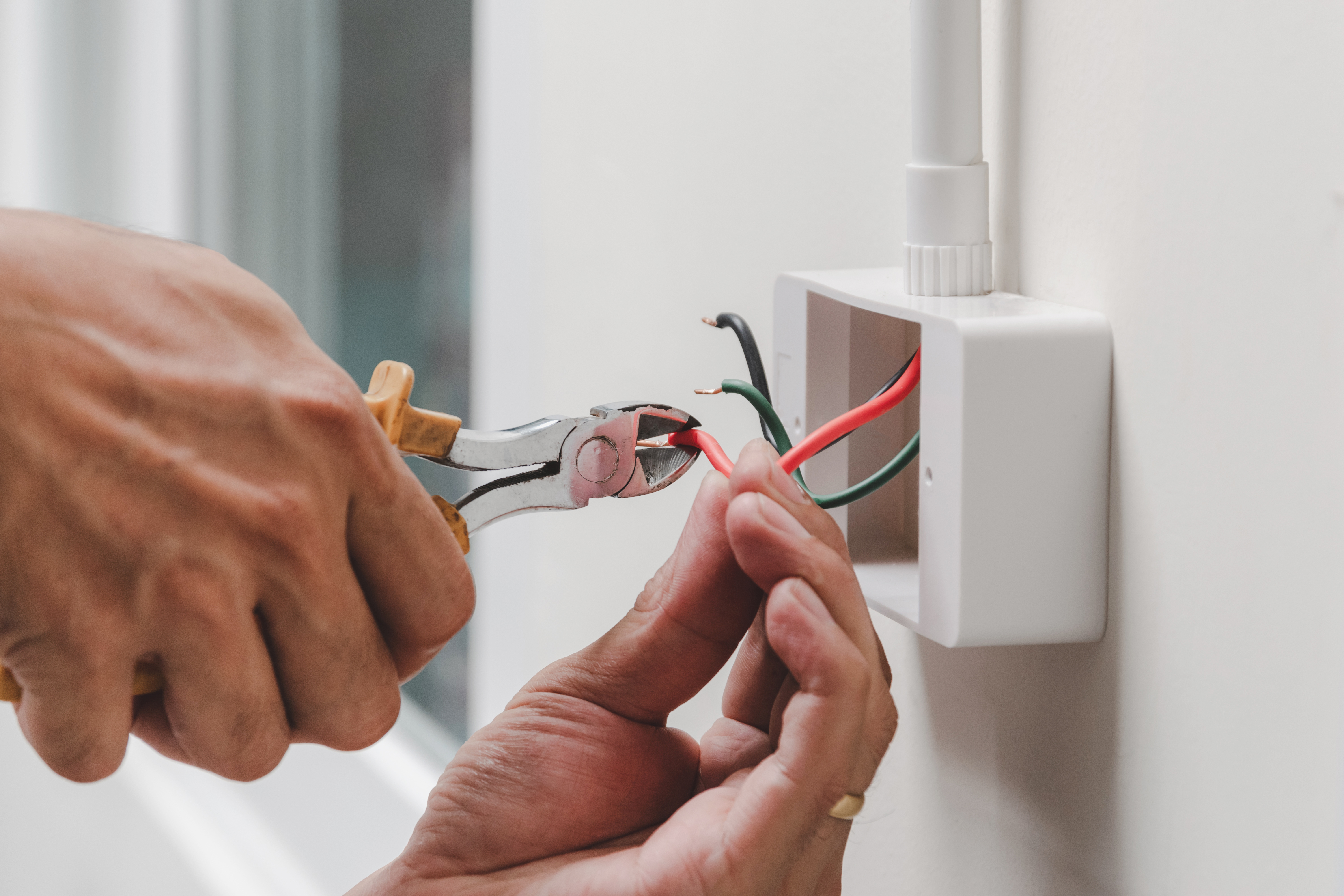
How much does it cost to install a doorbell camera? It depends on whether you plan to DIY or hire a pro. Learn about different models and their power sources, too.
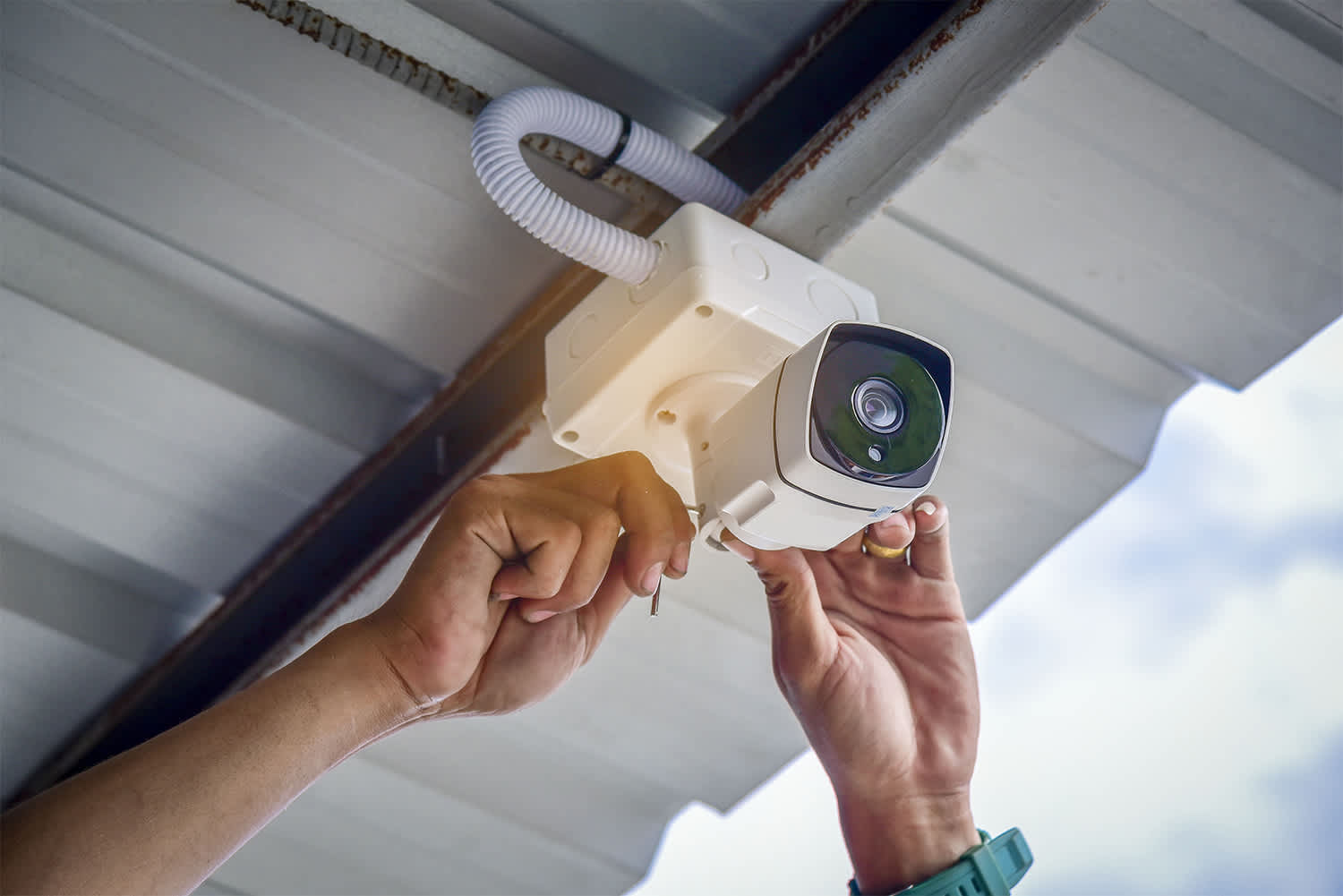
Doorbell wiring is a project you can DIY. This guide covers everything you need to know, from different types of doorbells to wiring, and how to remove an old doorbell.
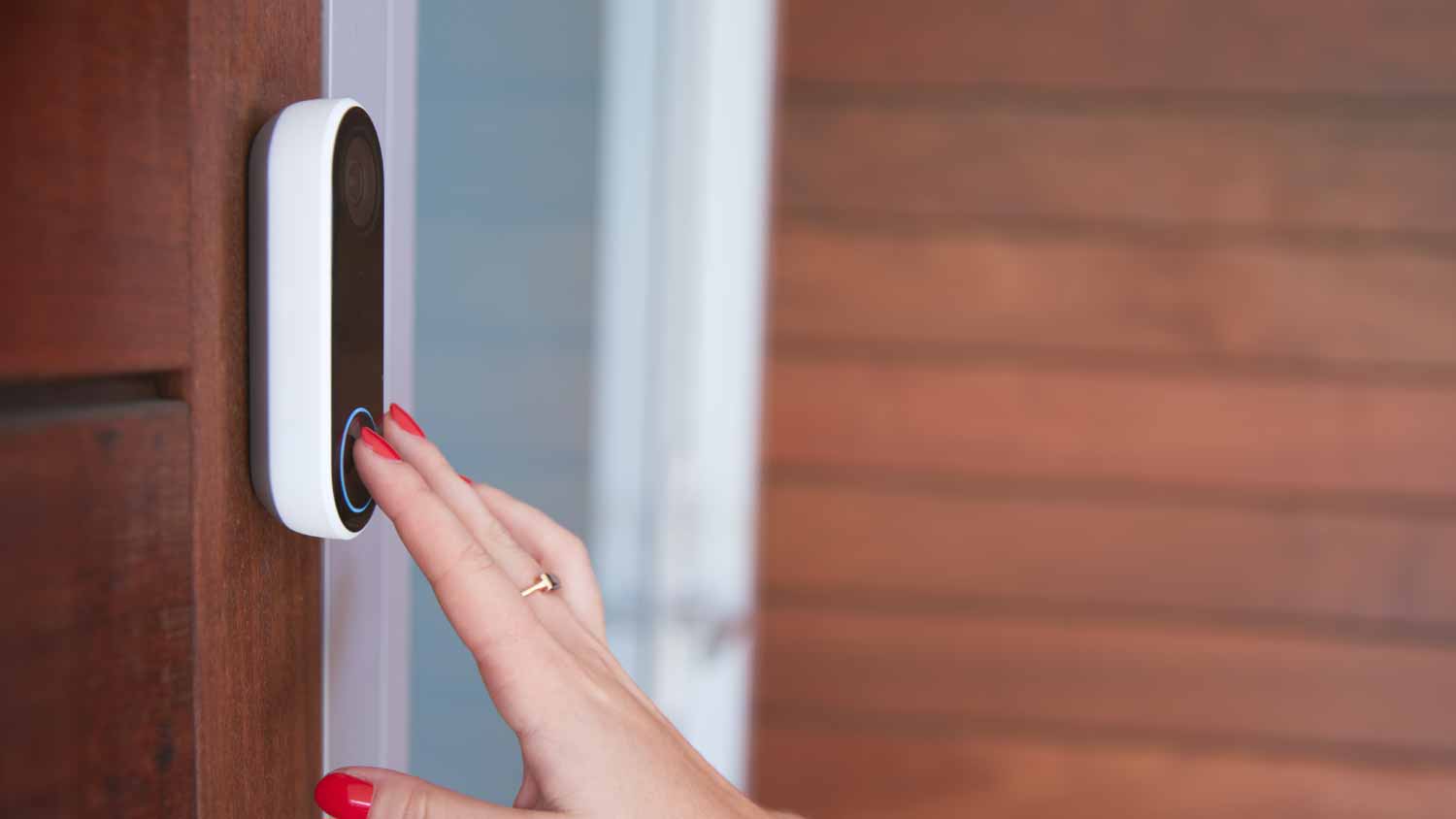
Ready to upgrade your front door and learn how to wire a doorbell? You may be able to handle this relatively simple DIY installation without an electrician.