




Install Above Ground Pools questions, answered by experts
Water only runs through a pool heater when not in use if the heater doesn’t have a bypass system. A bypass system stops the flow of water through the heater when not in use. If you don’t have one, then yes, water will still run through the pool heater even when not in use. Not having a bypass system may increase the effects of wear and tear on your pool heater or disrupt the water’s chemical balance.
A swimming pool is an excellent way to cool down on a hot summer day, but the moment you step outside of your pool, you start to lose those cool vibes. With an outdoor mister that’s either set on a timer or goes off when you need it most, you’ll be able to enjoy a refreshing mist without having to swim another lap.
Yes, you should keep your pool pump running when adding salt, and leave it running for 24 to 48 hours. This will help circulate the salt to ensure even distribution. You will want to turn off your pool’s salt chlorine generator before adding salt and leave it off until it fully dissolves. Check your manufacturer’s instructions for steps specific to your saltwater pool maintenance.
If you've decided to fill in or remove your pool, begin by researching local, reputable pool removal companies to take care of the job for you. There are a variety of companies and contractors that can handle the work. You can start by looking for demolition or construction companies. Also, some pool builders will handle fills and removals.
The total time to install an inground pool typically ranges from 8 weeks to 4 months. This timeline can be influenced by several factors, including permitting, site preparation, and the construction process itself.
Key phases and their typical durations include:
Permits: Obtaining necessary permits can take anywhere from two to six weeks.
Excavation and Site Preparation: This phase takes about a week but can be extended by problematic soil, unexpected ground conditions, or the need to move underground utility lines.
Construction: The actual build, including plumbing and electrical work, often takes one to two months. The pool material is a major factor here; a concrete pool needs about 30 days to cure, while installing a fiberglass or vinyl liner is much faster.
External factors can also cause significant delays:
Contractor Availability: Spring and summer are busy seasons, and high demand can lead to long waitlists, potentially adding months to your start date. It is often recommended to start planning and getting estimates up to a year in advance.
Other Delays: Weather, material shortages, complex designs, and other unforeseen challenges can extend the project timeline.
The Akeley, MN homeowners’ guide to above ground pool installation services
From average costs to expert advice, get all the answers you need to get your job done.
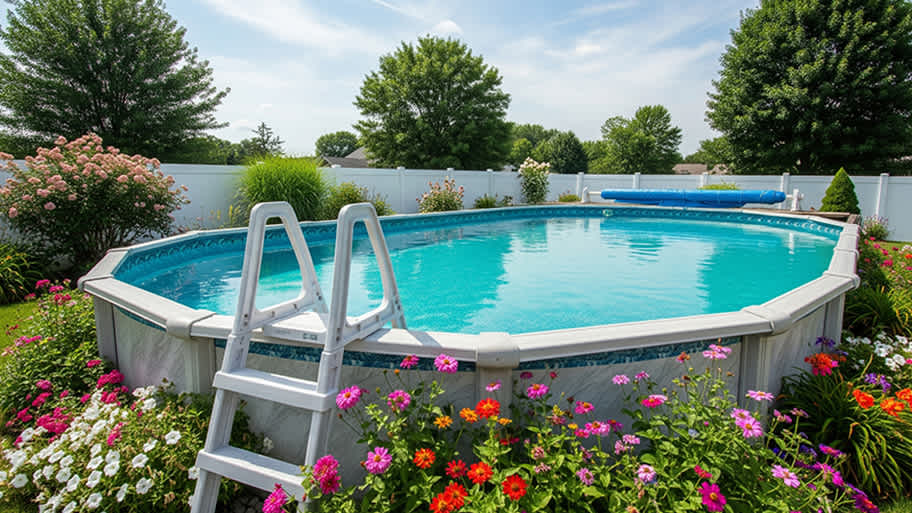
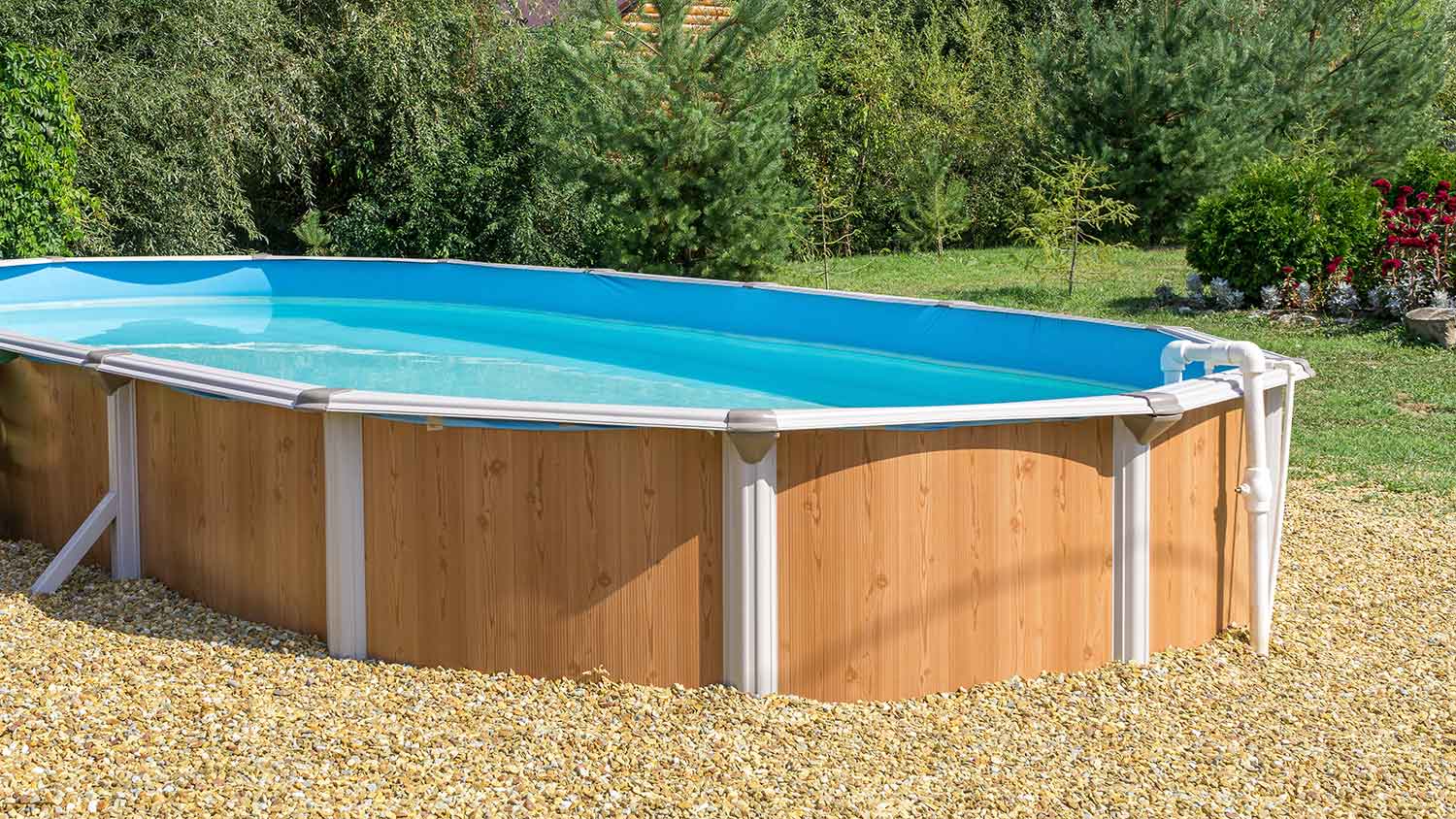
Above ground pools are more affordable than inground pools, so can you put an above ground pool in the ground to save money? Learn when it’s safe to do so.