



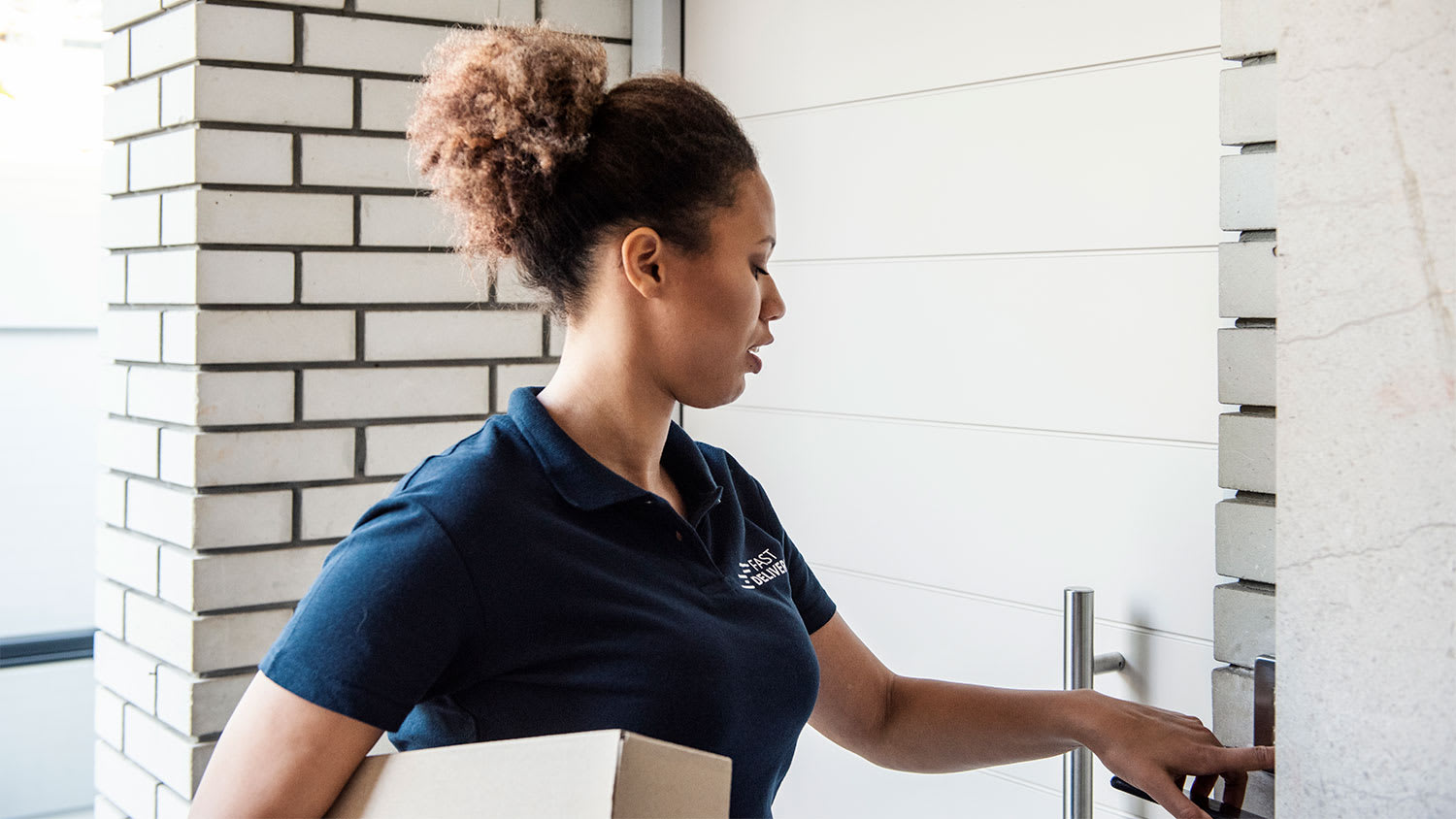
Top-rated doorbell installation pros.

Get matched with top doorbell installation pros in Williamsburg, MI

Enter your zip and get matched with up to 5 pros

Need a pro for your doorbell installation project in Williamsburg, MI?

Select your specific project to find the pro for you.

TRUSTED BY WILLIAMSBURG, MI HOMEOWNERS

  • Average homeowner rating star icon4.5
    Average homeowner rating
  • Verified reviews icon282
    Verified doorbell installation services reviews

Find Doorbell installation pros in Williamsburg

No results for Doorbell installation pro in

Try adjusting your search criteria.
Doorbell Installation questions, answered by experts

In some areas, insulation companies require a special license, while some states only require them to hold general contractor licenses. Some municipalities may not mandate any license, although you should always ensure a contractor is fully insured. You can use Angi’s license lookup tool to confirm whether or not an insulation contractor you’re considering holds the necessary license for your area. You can also contact the company for information regarding licenses, certifications, and insurance.

The most affordable way to insulate behind unfinished walls is to install fiberglass batts or rolls. These total around $0.75 per linear foot, with the width matching the gaps between standard studs perfectly. However, it’s important to consider the R-value of your insulation and the climate in your area, as fiberglass insulation isn’t the best in terms of preventing heat transfer. Plus, the most affordable option may cost more on electricity bills over time. The most affordable way to insulate behind finished walls is to leave them up and use blown-in insulation to avoid drywall replacement.

The best type of insulation for your home depends on your specific needs, climate, and the area you are insulating. For new construction, structural insulated panels are a highly energy-efficient option that is easy to install during the building process. In very warm climates, reflective insulation can be a cost-effective choice. For cold climates, fiberglass is an excellent option due to its high R-value and resistance to settling over time. Spray foam works well in humid environments because of its moisture-resistant properties. For standard attics, loose-fill, spray foam, or blown-in insulation are all suitable options.

Insulating your ducts offers several benefits, including:

  • Improved energy efficiency: Duct insulation prevents energy losses, reducing heating and cooling costs.

  • Cost savings: Lower energy bills make insulation a cost-effective investment.

  • Environmental benefits: Enhanced efficiency reduces your carbon footprint.

  • Consistent comfort: Insulated ducts help maintain a stable indoor temperature.

  • Better indoor air quality: Reduced allergens and pollutants improve air quality.

Radiant barriers and insulation serve different purposes, so one is not inherently better than the other. Radiant barriers reflect radiant heat, helping keep spaces cool, especially in hot climates, while insulation slows heat transfer through conduction. For optimal energy efficiency, it’s best to use both together. 

Radiant barriers can enhance the performance of insulation by preventing heat gain in the summer and heat loss in the winter. The choice between them depends on specific climate conditions and the building’s design requirements.

The Williamsburg, MI homeowners’ guide to doorbell installation services

From average costs to expert advice, get all the answers you need to get your job done.