





Top-rated mulch and topsoil pros.

Get matched with top mulch and topsoil pros in Walker, MI

Enter your zip and get matched with up to 5 pros

Need a pro for your mulch and topsoil service project in Walker, MI?

Select your specific project to find the pro for you.

Find Mulch and topsoil pros in Walker

Avatar for Austin Stone
Austin Stone
5.0(
3
)
Lawn Care - Maintain and Mow a LawnLandscape - Soil, Sand, Mulch and Rock Delivery

Serving Walker, MI and surrounding areas

Approved

"Excellent experience from start to finish! Great communication, professional, reliable, and the quality of the lawn and landscaping work was excellent. He takes pride in his work. Beyond that, he's simply a good human being—honest, kind, and easy to work with. I highly recommend him, and we will definitely hire him again and again."
20 neighbors recently requested a quote
...
Showing 1-10 of 240
Mulch and Topsoil questions, answered by experts

You can use regular sand as the base for your pavers and in between pavers to seal the joints. Many pros reach for polymeric sand, also known as all-purpose sand, because it has been sifted and washed to remove impurities. But you can easily level ground and fill gaps between pavers for a clean look using regular sand, sometimes at a lower cost.

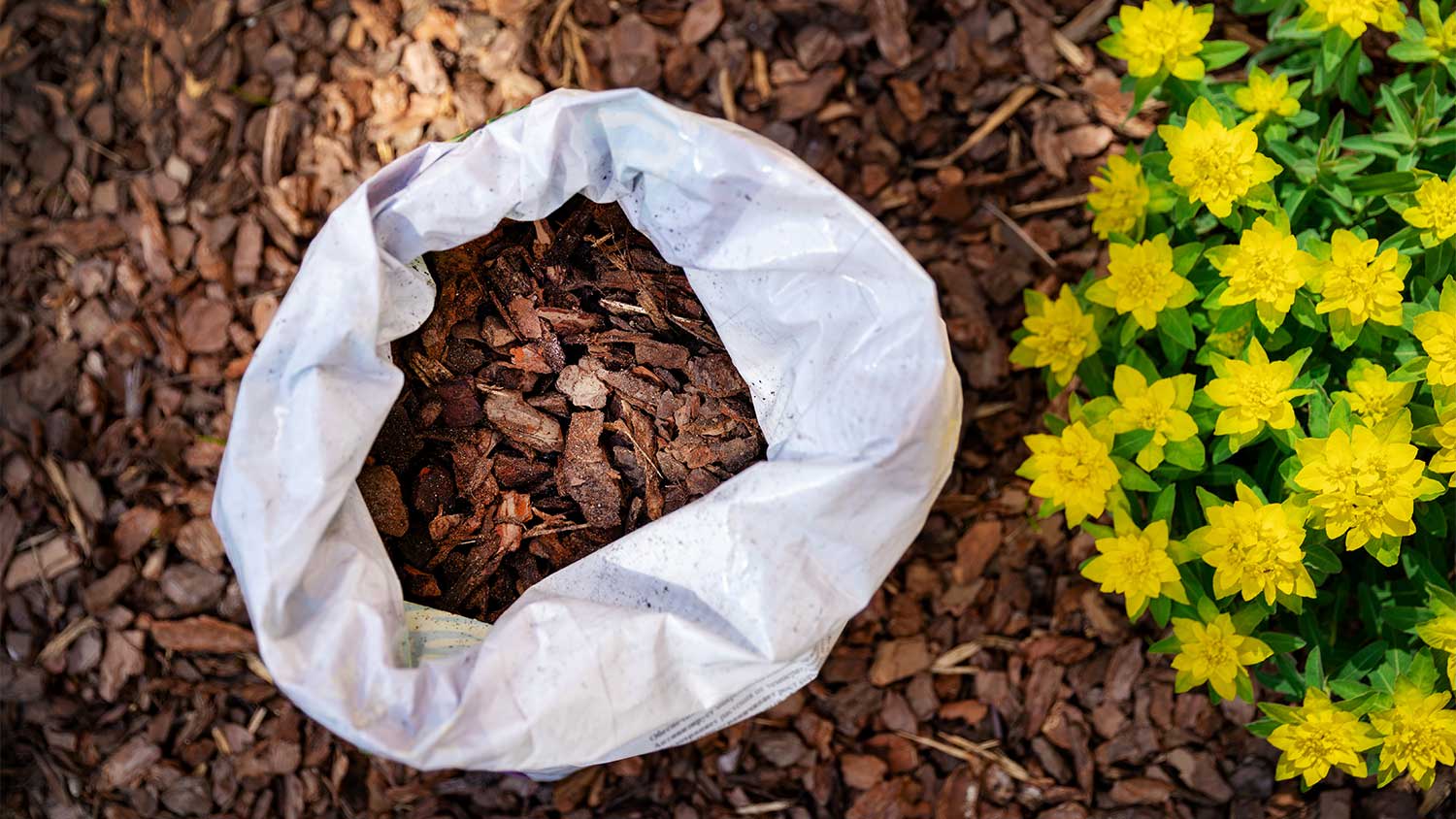
Organic mulch typically lasts between 4 to 6 years. However, factors like the type of organic mulch you choose, mulch size, and weather conditions can all play a role in its longevity. In some cases, you’ll need to replace organic mulch every few years.

It depends on the model of your pool. You’ll always have to level the topsoil, but most vinyl-lined pools require an additional 1- to 2-inch layer of sand to protect the liner. This way, when a foot kicks down to the bottom of your pool, it’s not scraping the liner against the hard ground. If your pool isn’t vinyl-lined, you can skip this step or add a layer of another base material, like decomposed granite. Always check your manufacturer’s instructions before you begin.

The best way to keep dirt around your foundation is to ensure your drainage is working properly and redirecting water well away from the foundation. Soil erosion is one of the most common causes of basement flooding, so it’s important to make sure you’re retaining the soil you replaced after learning how to regrade around the foundation. In addition, your foundation planting can also help prevent erosion. For example, plant roots to help keep soil in place.

Grass varieties such as tall fescue, zoysia, Bermuda, Bahia, and centipede grow best in sandy soil. These types of grass are drought resistant, so they help retain water and nutrients more easily. Consult a local lawn care company to determine the best type of grass to plant in your sandy lawn.

The Walker, MI homeowners’ guide to mulch and topsoil services

From average costs to expert advice, get all the answers you need to get your job done.