Top-rated plaster repair specialists.

Get matched with top plaster repair specialists in Vanderbilt, MI

Enter your zip and get matched with up to 5 pros

Need a pro for your plaster repair project in Vanderbilt, MI?

Select your specific project to find the pro for you.

TRUSTED BY VANDERBILT, MI HOMEOWNERS

  • Average homeowner rating star icon4.5
    Average homeowner rating
  • Verified reviews icon16
    Verified plaster repairs reviews

Find Plaster repair specialists in Vanderbilt

Avatar for Same Day Renovations - Home  Facebook
Same Day Renovations - Home Facebook
2.4(
5
)
Plaster - Install

Serving Vanderbilt, MI and surrounding areas

In business since 2018

Free estimates

Credit card accepted

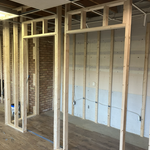
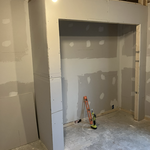
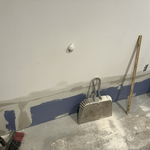
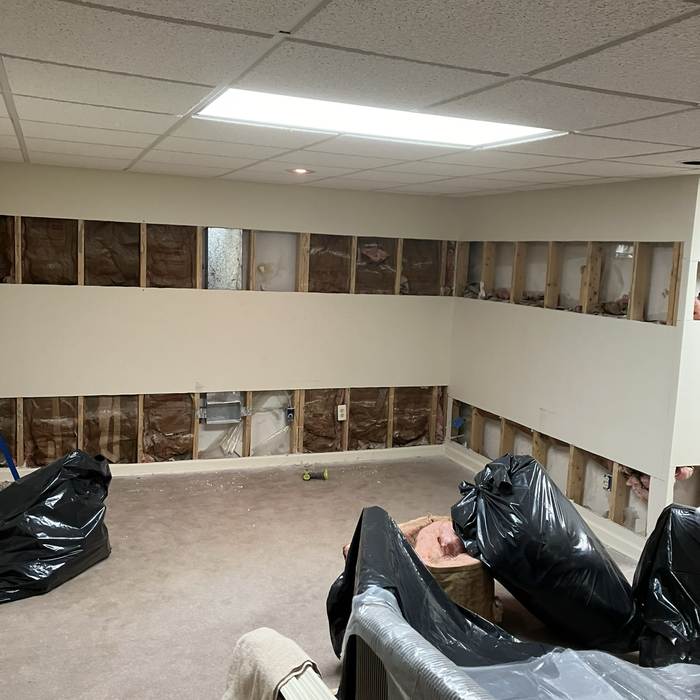
\nLooking for efficient and quality work to be done on your property? Tired of lazy or procrastinating contractors who booked You Out 3 weeks out. We get the job done the same day you call and/or ANYTIME you need it. That's right We've changed the game entirely for home renovation work. ANY JOB ANY TIME GREAT QUALITY AFFORDABLE PRICES!

Our work
Our work
Our work
Our work
Our work

+102

Response time10 mins
Recommended by33%of homeowners
Forbes Building And Remodeling
New to Angi
Plaster - InstallPlaster - RepairPlaster - Repair - For Business

Serving Vanderbilt, MI and surrounding areas

In business since 2015

Free estimates

Credit card accepted

We take great pride in our experience, expertise, quality, and customer service that we provide to meet the consumers needs. It is our mission to provide excellent workmanship and complete customer satisfaction from start to completion of a project. In order to understand the needs and expectations of our customers, we take great care to work and communicate with every customer in a professional manner. Our reputation is based on service, safety, and quality, regardless of how large or small the job.

Showing 1-10 of 17
Plaster Repair questions, answered by experts

Professionals diagnose underlying causes, such as structural shifts or moisture problems, and apply appropriate solutions like reinforcement, patching, or sealing. These measures restore wall integrity and prevent recurrence, ensuring long-term stability.

There are several warning signs that a ceiling crack is connected to a larger issue. For starters, if the crack is wider than 1/8 inch or longer than 12 inches, you might have a more serious problem. The same applies if you have multiple smaller cracks or cracks going across the ceiling and down the wall. In any of these situations, you should ask a professional to assess the damage.

Costs range from $200 to $800, depending on the area size and damage severity.

All plaster walls will crack over time due to normal house settling and expansion and contraction from temperature and moisture changes. Small, thin hairline cracks are generally not serious and are mostly a cosmetic issue. However, larger or more significant cracks can indicate structural problems.

Here's how to tell the difference:

  • Cosmetic Cracks: Cracks that are 0.5 cm (0.2 inches) or thinner are typically cosmetic.

  • Structural Cracks: Cracks wider than 0.5 cm, excessive or deep cracks, multiple cracks in the same area, or cracks that span around corners can signify a structural or foundation issue. Cracks along the joints where walls meet the ceiling also warrant attention.

For cracks wider than 0.5 cm, structural repair is needed. If a crack is 2.5 cm (1 inch) or wider, or if you notice any signs of a structural problem, it is best to contact a plaster repair professional to assess the damage.

Although they have similar applications, spackle and joint compound are not the same. Their primary differences lie in their composition, consistency, and ideal use cases.

Spackle is composed of gypsum and binding agents, making it thicker than joint compound. It dries quickly and is easy to sand, which makes it ideal for small wall repair projects like filling nail holes or patching minor damage.

Joint compound, also known as drywall mud, consists of limestone and gypsum. It is primarily used for large-scale projects, such as taping and finishing the seams on newly installed drywall. It tends to shrink more than spackle and can be more difficult to spread.

While both products can be used to fill small depressions and cracks, spackle cannot replace joint compound for taping and mudding new drywall. Conversely, you can often use joint compound for small patching jobs typically done with spackle.

The Vanderbilt, MI homeowners’ guide to plaster repairs

From average costs to expert advice, get all the answers you need to get your job done.